Mount Sinai, a rugged and awe-inspiring peak in the heart of the Sinai Peninsula, holds a profound place in history and religious tradition. Revered as the location where God revealed the Ten Commandments to Moses, it has drawn pilgrims, scholars, and adventurers for millennia. Understanding this sacred landscape necessitates more than just climbing its slopes; it requires deciphering the stories etched into its very rocks, a task aided by a deeper understanding of the various Sinai Mountain maps that have been created throughout history. These maps, ranging from rudimentary sketches to modern-day topographical surveys, offer a fascinating window into how humanity has perceived, interpreted, and interacted with this pivotal location.
From Ancient Pilgrims to Modern Cartographers: A History of Mapping Sinai
The earliest attempts at mapping Mount Sinai were likely born out of necessity. Pilgrims, seeking to retrace the steps of Moses and experience the divine presence, needed to navigate the challenging terrain. While formal maps as we know them today were absent, rudimentary guides and verbal descriptions undoubtedly circulated, passed down through generations. These early "maps" were more akin to itineraries, outlining the key landmarks along the pilgrimage route: the Well of Moses, the Plain of ar-Raḥah, and the arduous ascent to the summit.
As Christianity spread throughout the Roman Empire and beyond, the desire to visit Mount Sinai intensified. The establishment of Saint Catherine’s Monastery in the 6th century CE provided a stable hub for pilgrims and a center for scholarly activity. Monks, often skilled in writing and drawing, began to produce more detailed depictions of the mountain and its surrounding environs. These early monastic maps, often incorporated into illuminated manuscripts and travelogues, were imbued with religious symbolism and reflected the medieval understanding of the world. They weren’t always geographically accurate in the modern sense but served to convey the spiritual significance of the location and guide pilgrims on their journey.
The advent of the printing press in the 15th century revolutionized mapmaking, allowing for wider dissemination of geographical knowledge. Early printed maps of the Sinai Peninsula, while still influenced by religious interpretations, began to incorporate more accurate depictions of the landscape, drawing upon observations from travelers and explorers. However, these maps often lacked precise detail, relying on generalized representations and artistic embellishments.
The 18th and 19th centuries witnessed a surge in scientific exploration and cartography. Driven by a desire to understand the world with greater precision, European explorers and cartographers ventured into the Sinai Peninsula, meticulously surveying the terrain and documenting its geological features. These expeditions produced increasingly accurate and detailed maps of Mount Sinai, employing techniques such as triangulation and astronomical observations. Names like Carsten Niebuhr and Edward Robinson became synonymous with early scientific mapping of the region. Robinson, in particular, played a crucial role in identifying biblical locations and correlating them with the physical landscape, influencing subsequent cartographic efforts.
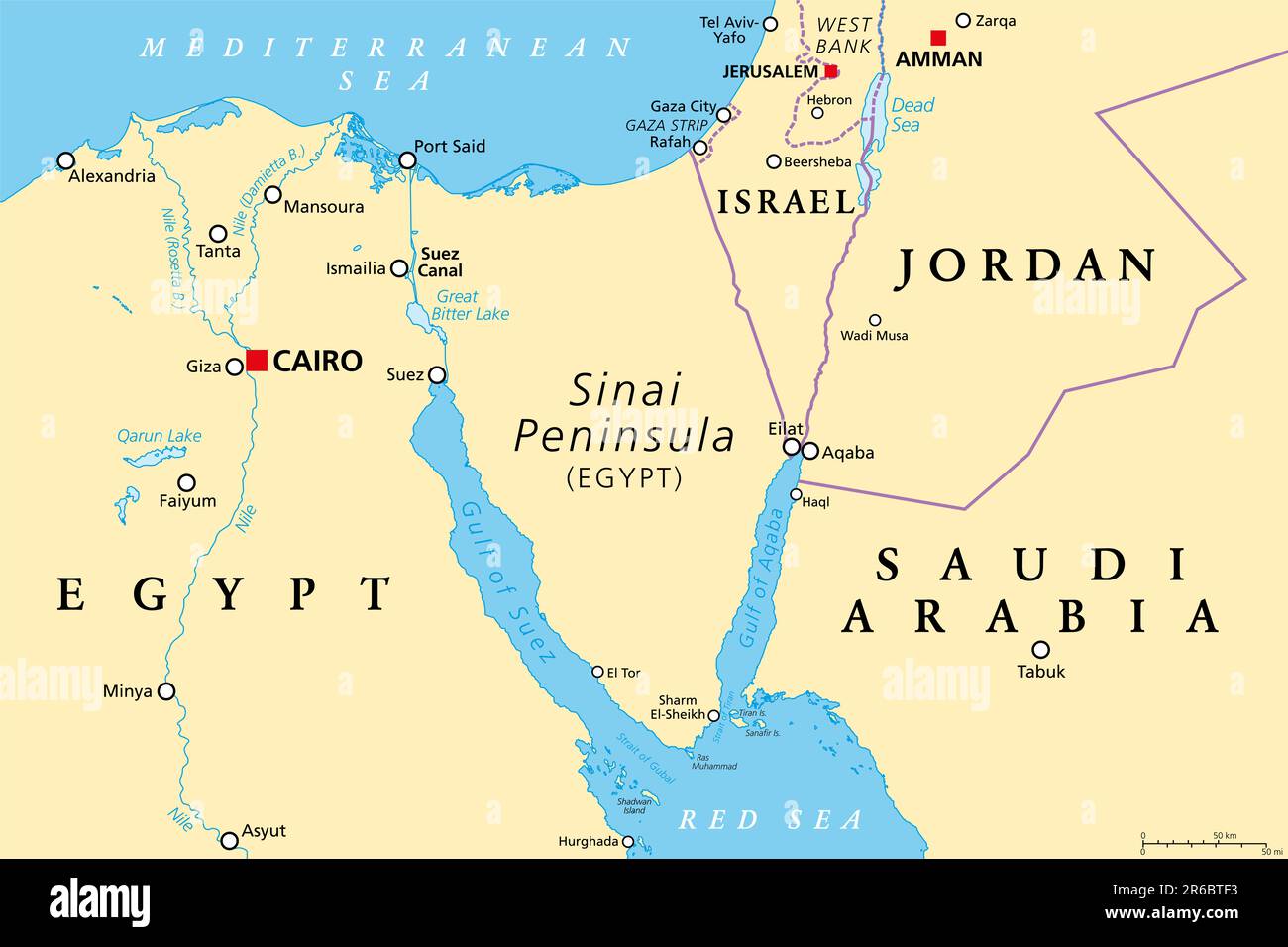
The 20th and 21st centuries have seen the application of modern technologies to mapping Mount Sinai. Aerial photography, satellite imagery, and GPS technology have enabled the creation of highly accurate topographical maps, digital elevation models, and interactive mapping platforms. These tools provide researchers, tourists, and conservationists with an unprecedented level of detail and understanding of the mountain’s complex landscape.
Key Features Depicted on Sinai Mountain Maps
Regardless of their age or level of detail, Sinai Mountain maps typically highlight certain key features that are crucial to understanding the mountain’s geography and its historical and religious significance:
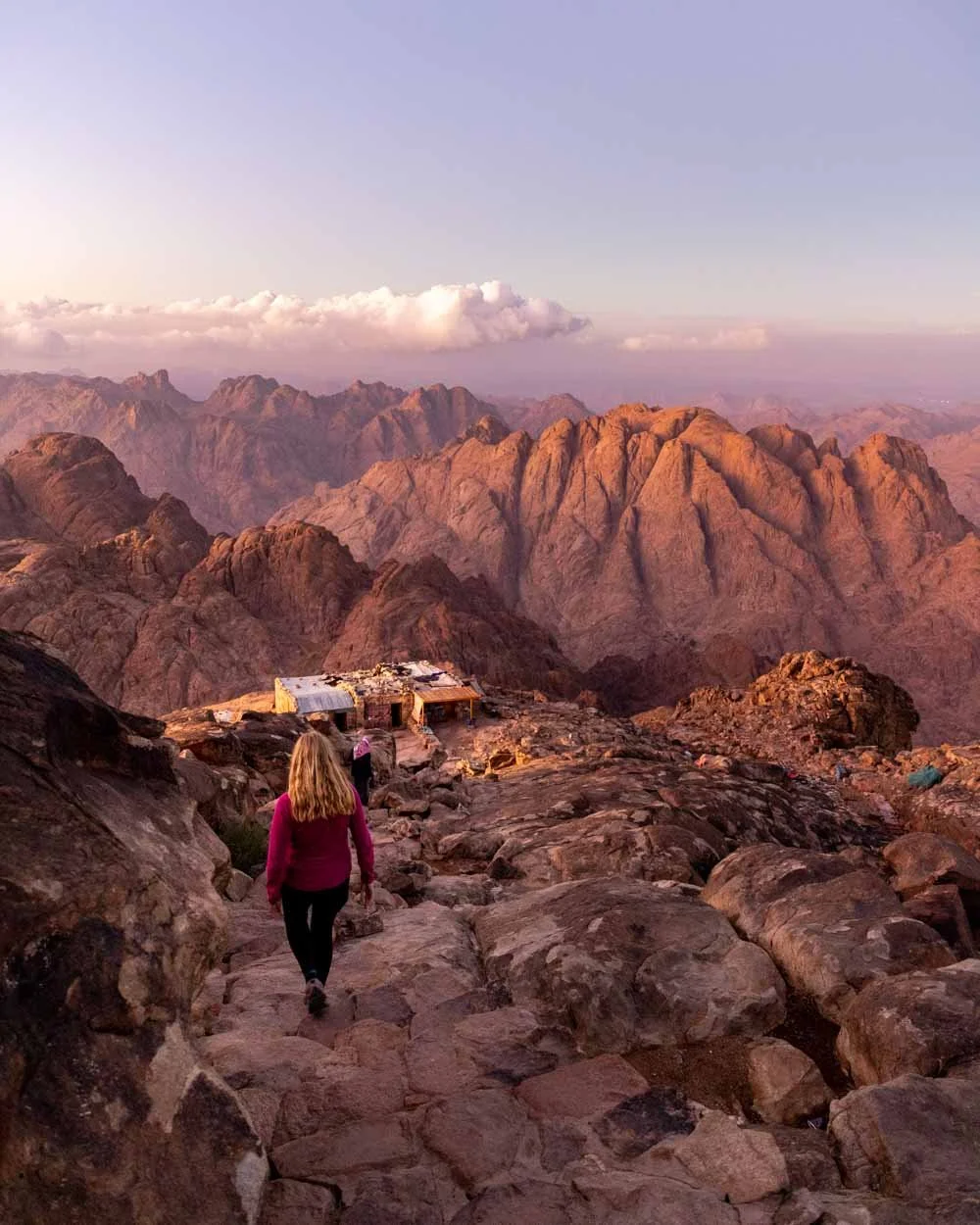
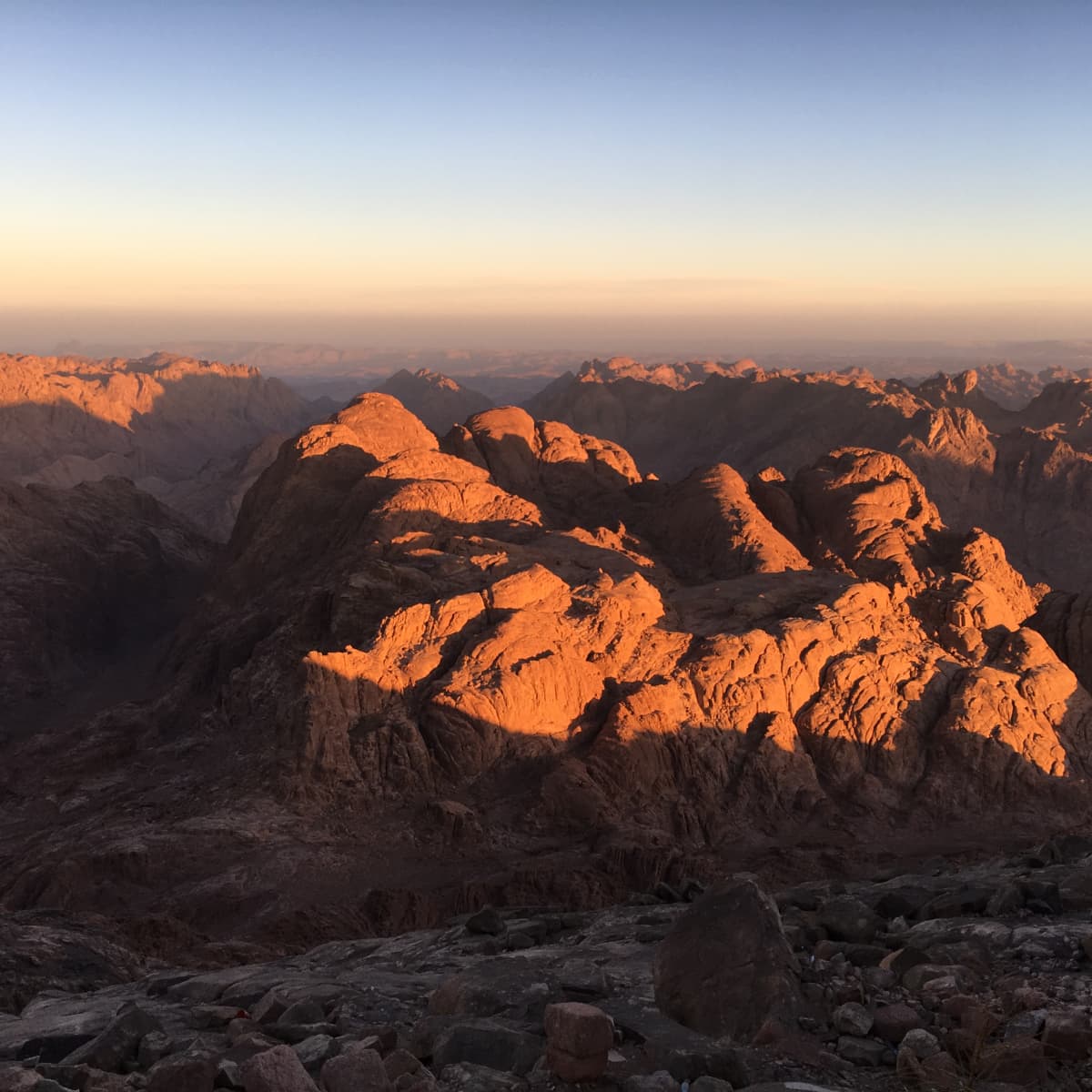
- The Summit (Jebel Musa): The highest point of the mountain, traditionally identified as the location where Moses received the Ten Commandments. Maps invariably depict the summit, often marking it with a cross or other religious symbol.
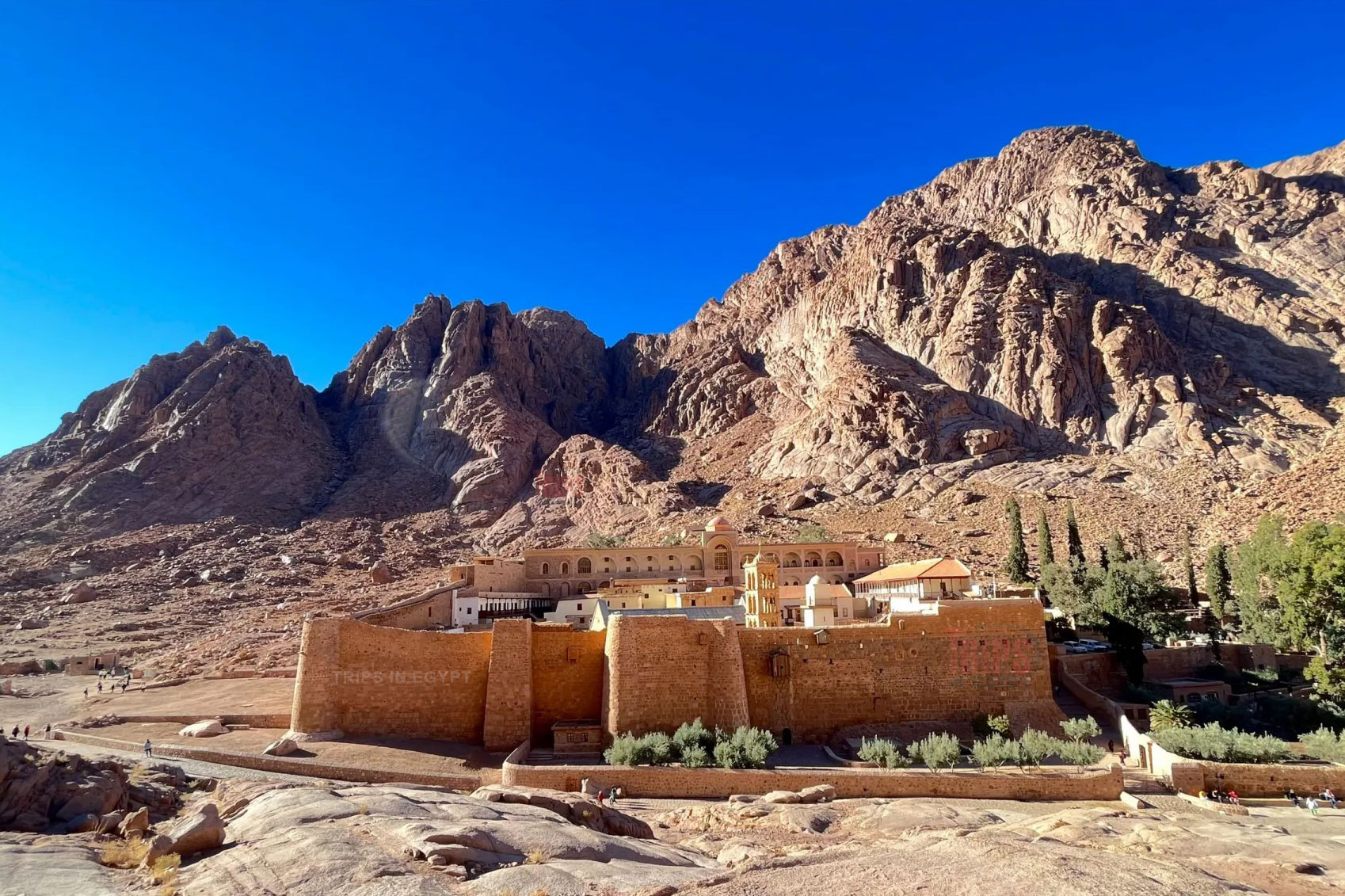
- Saint Catherine’s Monastery: Located at the foot of the mountain, the monastery is a prominent feature on most maps. Its strategic location, fortified walls, and historical importance make it a key landmark.
- The Plain of ar-Raḥah: A wide, relatively flat area at the base of the mountain, traditionally believed to be the location where the Israelites camped while Moses ascended to the summit. Its size and accessibility make it a significant geographical feature.
- The Steps of Repentance: A steep, winding staircase leading up to the summit, said to have been built by monks as a form of penance. Its arduous nature is often reflected in maps, highlighting the challenging ascent.
- The Well of Moses: A spring located near the base of the mountain, traditionally believed to be the source of water for the Israelites. Its importance as a water source and a historical landmark makes it a significant feature.
- Wadis (Dry Riverbeds): The Sinai Peninsula is characterized by its arid climate and network of wadis. Maps depict these dry riverbeds, which serve as important drainage channels and pathways through the mountainous terrain.
- Geological Features: More detailed maps, particularly those produced in the modern era, often depict geological features such as rock formations, fault lines, and mineral deposits. These features provide insights into the mountain’s formation and geological history.
- Trails and Routes: Modern maps typically show the various trails and routes that lead up to the summit and to other points of interest. These routes vary in difficulty and provide options for different types of hikers and pilgrims.
The Significance of Sinai Mountain Maps: Beyond Navigation
Sinai Mountain maps are more than just navigational tools; they are cultural artifacts that reflect the evolving perceptions and understandings of this sacred landscape. They offer valuable insights into:
- Religious Beliefs and Practices: The depiction of religious sites and symbols on maps reflects the importance of Mount Sinai as a pilgrimage destination and a place of spiritual significance. The maps serve as visual representations of religious narratives and beliefs.
- Historical Events and Movements: Maps can shed light on historical events that have taken place in the Sinai Peninsula, such as the Exodus of the Israelites or the establishment of Saint Catherine’s Monastery. They provide a spatial context for understanding these events and their impact on the region.
- Scientific Exploration and Discovery: The evolution of mapmaking techniques and the increasing accuracy of maps reflect the progress of scientific exploration and discovery in the Sinai Peninsula. Maps document the efforts of explorers, cartographers, and scientists to understand the mountain’s geography, geology, and natural environment.
- Cultural Exchange and Interaction: Maps can reveal the influence of different cultures and perspectives on the understanding of Mount Sinai. The interaction between religious traditions, scientific inquiry, and local knowledge is reflected in the diverse ways in which the mountain has been depicted on maps.
- Tourism and Conservation: Modern maps play a crucial role in promoting tourism and conservation efforts in the Sinai Peninsula. They provide visitors with information about trails, landmarks, and points of interest, while also helping to protect the mountain’s fragile ecosystem.
The Enduring Allure of Sinai: A Landscape Shaped by Faith and History
Mount Sinai, as depicted on countless maps throughout history, remains a powerful symbol of faith, resilience, and the enduring human quest for understanding. From the rudimentary sketches of ancient pilgrims to the sophisticated digital maps of today, these visual representations offer a compelling glimpse into the mountain’s rich history and its profound significance for people of diverse backgrounds and beliefs. Studying these maps allows us to appreciate not only the physical landscape of Mount Sinai but also the layers of meaning that have been inscribed upon it over centuries, solidifying its place as a sacred and awe-inspiring location on the world stage. As technology continues to advance, future maps will undoubtedly offer even greater insights into the mysteries and wonders of this iconic mountain.