The Texas Gulf Coast, a sprawling crescent of land and water stretching over 350 miles from Sabine Pass to Brownsville, is a treasure trove of natural beauty, bustling industry, and rich cultural heritage. Understanding this diverse region requires more than just a passing glance; it demands a detailed understanding of its geography, its ecosystems, and the unique character of its many cities and towns. This article serves as a comprehensive guide to the map of the Texas Gulf Coast, highlighting key features, attractions, and providing a framework for appreciating its complexity.
The Lay of the Land: Defining the Texas Gulf Coast Map
The Texas Gulf Coast map is dominated by the Gulf of Mexico, an expanse of turquoise and blue that defines the region’s climate, economy, and recreational opportunities. A narrow strip of barrier islands, including Galveston Island, Padre Island, and Mustang Island, shield the mainland from the full force of the Gulf, creating a complex network of bays, estuaries, and wetlands. These coastal ecosystems are vital nurseries for marine life, providing crucial habitats for fish, birds, and other wildlife.
Moving inland from the coast, the landscape transitions to low-lying plains, intersected by numerous rivers and bayous. The terrain is generally flat, with elevations rarely exceeding 100 feet above sea level. This lack of elevation makes the region particularly vulnerable to flooding, especially during hurricanes and heavy rainfall events.
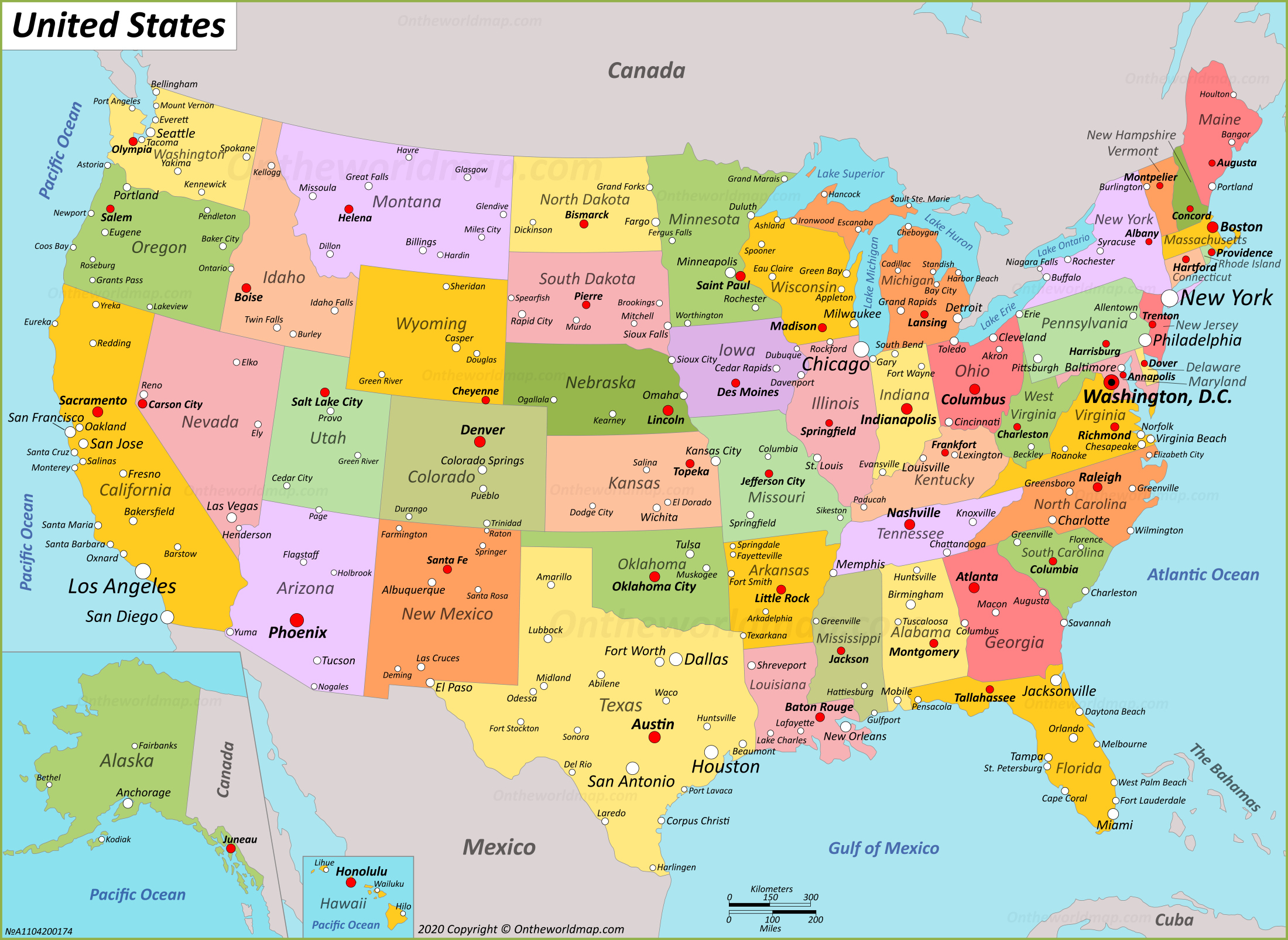
The map is further defined by the major cities that dot the coastline. Houston, the largest city in Texas and the fourth largest in the United States, anchors the upper coast. Galveston, a historic port city with a rich maritime heritage, lies just southeast of Houston. Further down the coast, Corpus Christi serves as a major shipping and tourism hub. Brownsville, at the southernmost tip of Texas, marks the border with Mexico and boasts a unique blend of Texan and Mexican cultures.
Delving into the Details: Key Features and Attractions
A closer look at the map reveals a wealth of specific features and attractions that make the Texas Gulf Coast so compelling:
-
Barrier Islands: These long, narrow islands are the crown jewels of the Texas coast. Padre Island National Seashore, the longest undeveloped barrier island in the world, offers miles of pristine beaches, abundant wildlife viewing opportunities, and exceptional camping experiences. Galveston Island, known for its historic Strand district, Moody Gardens, and Pleasure Pier, provides a more developed and tourist-oriented experience. Mustang Island, home to Port Aransas, is a popular destination for fishing, birdwatching, and beachcombing.
-
Bays and Estuaries: The bays and estuaries that lie behind the barrier islands are critical ecosystems. Galveston Bay, the largest estuary in Texas, supports a thriving seafood industry and provides habitat for a wide variety of marine life. Matagorda Bay, Aransas Bay, and Corpus Christi Bay are also important ecological and economic resources. These waterways are popular for fishing, boating, kayaking, and other water sports.
-
Rivers and Bayous: Numerous rivers and bayous crisscross the coastal plain, draining into the Gulf of Mexico. The Brazos River, the Colorado River, and the Nueces River are the major waterways that shape the landscape. Bayous, slow-moving waterways characteristic of the Gulf Coast, are often lined with lush vegetation and provide habitat for alligators, turtles, and other wildlife.
-
Cities and Towns: Each city and town along the Texas Gulf Coast has its own unique character and attractions. Houston, a global energy hub, offers world-class museums, theaters, and restaurants. Galveston, steeped in history, boasts Victorian architecture, a vibrant arts scene, and a fascinating maritime past. Corpus Christi, a popular tourist destination, features the Texas State Aquarium, the USS Lexington Museum, and stunning beaches. Brownsville, a border town with a rich cultural heritage, offers a glimpse into the unique blend of Texan and Mexican traditions. Smaller towns like Rockport, Port Lavaca, and Freeport offer a more laid-back atmosphere and a focus on fishing, boating, and outdoor recreation.
-
Wildlife Refuges and Parks: The Texas Gulf Coast is home to numerous wildlife refuges and parks that protect critical habitats and provide opportunities for wildlife viewing. Aransas National Wildlife Refuge is the winter home of the endangered whooping crane. Brazoria National Wildlife Refuge is a haven for migratory birds. Mustang Island State Park offers camping, fishing, and birdwatching opportunities. These protected areas are essential for preserving the region’s biodiversity and providing visitors with access to its natural beauty.
Navigating the Challenges: Understanding Environmental Concerns
While the Texas Gulf Coast is a region of immense beauty and opportunity, it also faces significant environmental challenges. Understanding these challenges is crucial for appreciating the full context of the map:
-
Hurricanes and Coastal Erosion: The Texas Gulf Coast is highly vulnerable to hurricanes and tropical storms. These powerful storms can cause widespread flooding, damage infrastructure, and erode coastlines. Rising sea levels and increased storm intensity due to climate change are exacerbating these threats. Coastal erosion is a persistent problem, threatening homes, businesses, and valuable ecosystems.
-
Pollution and Water Quality: Industrial activities, agricultural runoff, and urban development have contributed to pollution and water quality problems in the Gulf Coast region. Oil spills, chemical releases, and wastewater discharges can contaminate waterways and harm marine life. Efforts are underway to reduce pollution and improve water quality, but these challenges remain significant.
-
Habitat Loss: Coastal development, agricultural expansion, and other human activities have led to the loss of valuable habitats, including wetlands, marshes, and seagrass beds. These habitats are essential for supporting marine life, protecting shorelines, and filtering pollutants. Conservation efforts are focused on restoring and protecting these critical ecosystems.
Beyond the Map: Experiencing the Texas Gulf Coast
While the map provides a valuable framework for understanding the Texas Gulf Coast, the true essence of the region can only be experienced firsthand. Visiting the beaches, exploring the bays and estuaries, and immersing oneself in the local culture are essential for fully appreciating its unique character.
-
Recreational Activities: The Texas Gulf Coast offers a wide range of recreational activities, from swimming, sunbathing, and surfing to fishing, boating, and kayaking. Birdwatching, wildlife viewing, and hiking are also popular pursuits. The region’s diverse landscapes and abundant wildlife provide endless opportunities for outdoor adventure.
-
Cultural Experiences: The Texas Gulf Coast is a melting pot of cultures, reflecting its history as a crossroads of trade and immigration. Visiting historic sites, museums, and art galleries provides insights into the region’s rich cultural heritage. Sampling the local cuisine, which blends Texan, Mexican, and Cajun influences, is also a must.
-
Connecting with Locals: Engaging with the people who live and work along the Texas Gulf Coast is perhaps the most rewarding way to experience the region. Locals are often eager to share their stories, traditions, and knowledge of the area. Supporting local businesses, attending community events, and volunteering with conservation organizations are all ways to connect with the community and contribute to its well-being.
Conclusion: A Dynamic and Evolving Landscape
The map of the Texas Gulf Coast is a dynamic and evolving landscape, shaped by natural forces, human activities, and the ever-changing relationship between land and sea. Understanding the region’s geography, its ecosystems, and its cultural heritage is essential for appreciating its complexity and ensuring its sustainable future. By exploring the map and venturing beyond its boundaries, visitors and residents alike can discover the treasures of the Texas Gulf Coast and contribute to its preservation for generations to come. The Texas Gulf Coast is more than just a line on a map; it’s a vibrant, resilient, and endlessly fascinating region that continues to captivate and inspire.