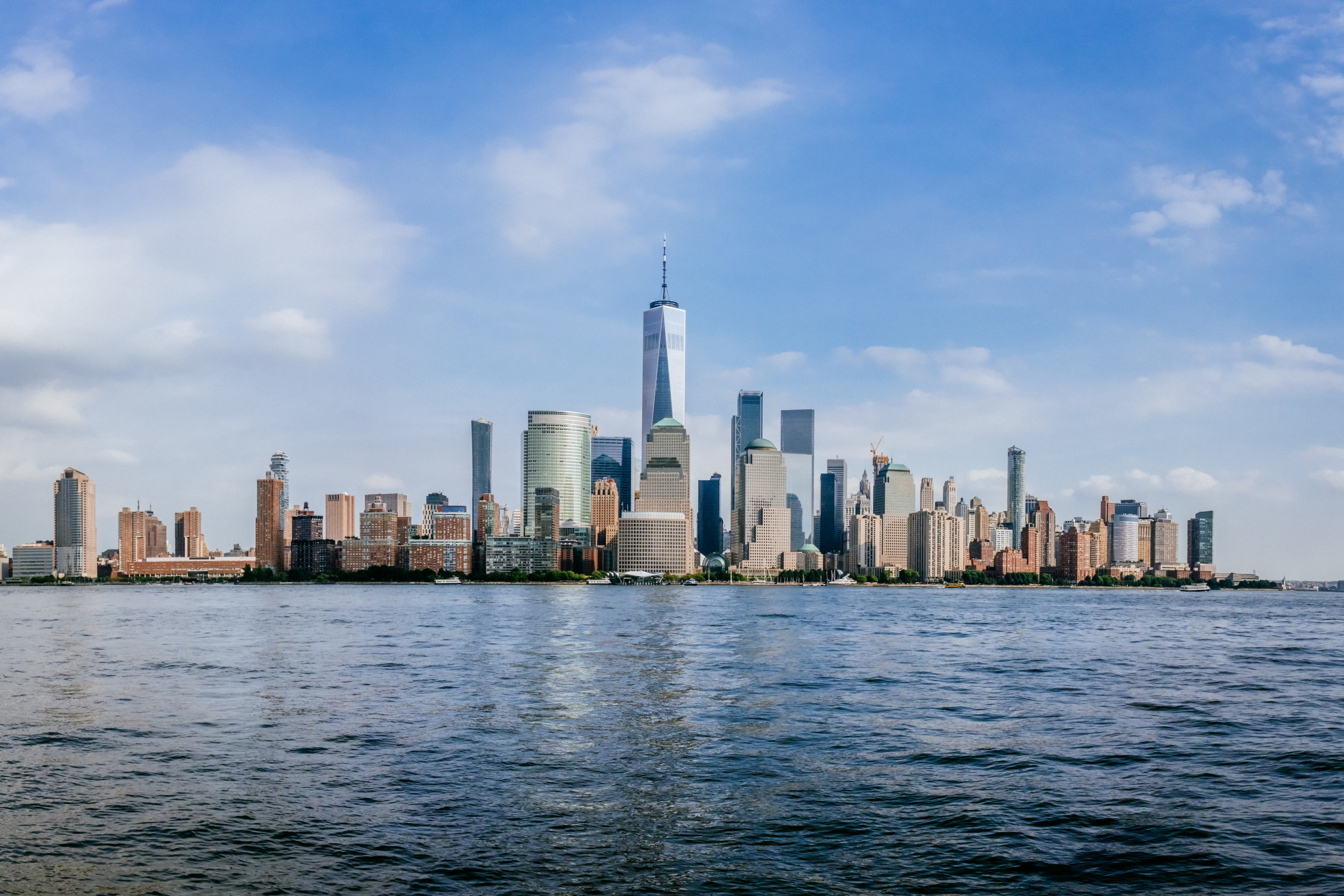
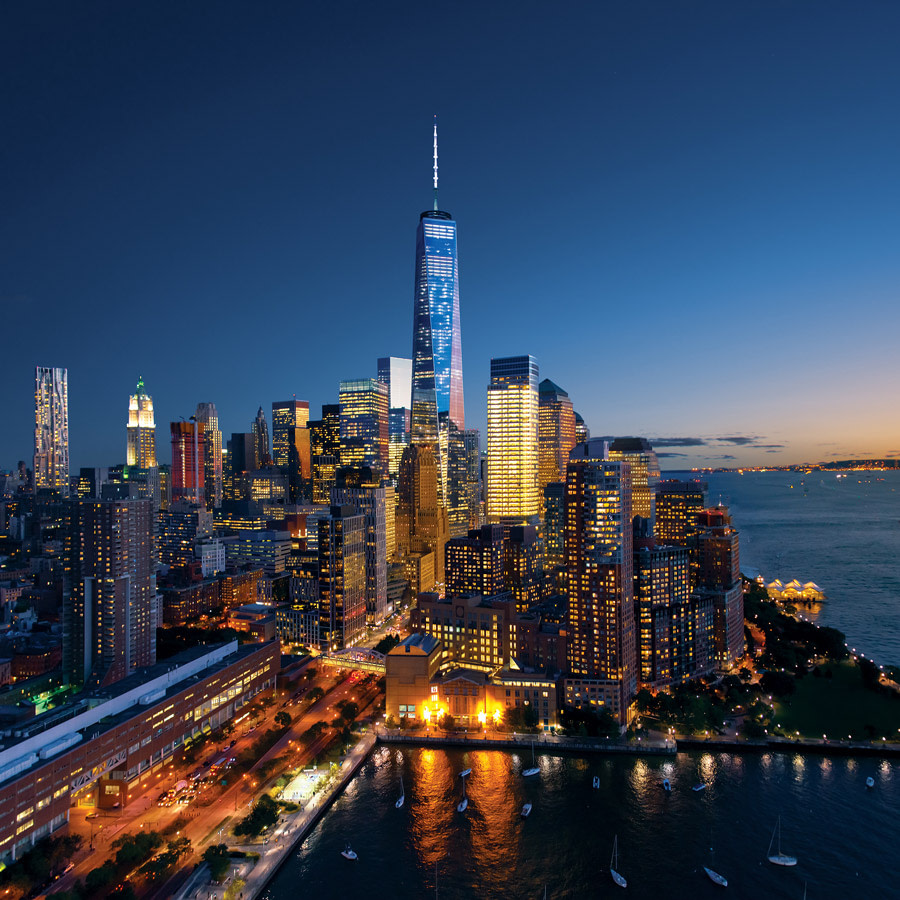
New York City, a vibrant metropolis perched on the edge of the Atlantic Ocean, faces a growing threat: flooding. From coastal storm surges to intense rainfall events, the city’s unique geography and aging infrastructure make it particularly vulnerable. Understanding the intricacies of NYC’s flood maps is crucial for residents, businesses, and policymakers alike to mitigate risks, plan for the future, and protect the city’s valuable assets.
Flood maps, officially known as Flood Insurance Rate Maps (FIRMs), are developed by the Federal Emergency Management Agency (FEMA) and are essential tools for assessing flood risk and guiding development regulations. They delineate areas prone to flooding and categorize them based on their flood hazard. In NYC, these maps are particularly complex, reflecting the city’s diverse topography, intricate network of waterways, and the ever-changing climate.
This article will delve into the complexities of NYC’s flood maps, explaining their purpose, creation, interpretation, and impact on various aspects of city life, from insurance rates and building codes to community planning and resilience efforts.
The Purpose and Importance of Flood Maps
Flood maps serve several critical purposes:
- Identifying Flood-Prone Areas: The primary function is to delineate areas at risk of flooding, allowing residents and businesses to understand their exposure to this natural hazard.
- Determining Flood Insurance Requirements: Flood insurance is often required for properties located within high-risk areas, and the flood map is the basis for determining these requirements. This is particularly important because standard homeowner’s insurance typically does not cover flood damage.
- Guiding Building Codes and Development Regulations: Flood maps inform building codes and development regulations, ensuring that new construction and renovations are designed to withstand potential flood events. This includes requirements for elevating structures, using flood-resistant materials, and implementing drainage improvements.
- Supporting Community Planning and Resilience Efforts: Planners use flood maps to identify vulnerable neighborhoods and prioritize investments in infrastructure upgrades, flood control measures, and emergency preparedness programs.
- Educating the Public: Flood maps provide a visual representation of flood risk, helping residents and businesses make informed decisions about property investments, emergency planning, and mitigation strategies.
In a city like New York, where space is at a premium and development is constant, accurate and up-to-date flood maps are essential for ensuring responsible growth and protecting the well-being of its residents.
How Flood Maps are Created: A Complex and Evolving Process
The creation of flood maps is a complex and data-intensive process that involves a variety of factors and sophisticated modeling techniques. FEMA works in partnership with local communities and experts to develop these maps, following a rigorous methodology:
-
Data Collection and Analysis: The process begins with gathering extensive data on topography, hydrology, and historical flood events. This includes:
- Topographic Surveys: High-resolution elevation data is crucial for accurately modeling the flow of water during a flood. This data is often collected using LiDAR (Light Detection and Ranging) technology.
- Hydrologic and Hydraulic Modeling: Scientists use computer models to simulate how water flows through rivers, streams, and coastal areas during different flood scenarios. These models consider factors like rainfall intensity, river discharge, tidal surges, and the presence of natural and man-made barriers.
- Historical Flood Data: Examining past flood events, including their frequency, severity, and extent, helps to calibrate and validate the models. This data is often obtained from historical records, newspaper articles, and eyewitness accounts.
- Infrastructure Data: Information on drainage systems, seawalls, levees, and other flood control structures is essential for understanding their impact on flood risk.
-
Determining Flood Zones: Based on the data and modeling results, FEMA divides areas into different flood zones, each representing a specific level of flood risk. The most common flood zones include:
- Special Flood Hazard Area (SFHA): These areas have a 1% chance of flooding in any given year, also known as the 100-year flood. Properties in SFHAs are typically required to have flood insurance. SFHAs are further categorized into zones like Zone A (riverine flooding) and Zone V (coastal flooding with wave action).
- 500-Year Floodplain: This area has a 0.2% chance of flooding in any given year. While flood insurance is not typically required in these areas, it is still recommended.
- Areas of Minimal Flood Hazard: These areas are considered to have a low risk of flooding.
-
Public Review and Comment: Once the preliminary flood maps are drafted, FEMA releases them for public review and comment. This allows residents, businesses, and local officials to provide feedback on the accuracy of the maps and suggest revisions based on local knowledge and observations.
-
Finalization and Adoption: After considering the public comments, FEMA finalizes the flood maps and formally adopts them. These maps then become the basis for flood insurance requirements, building codes, and community planning efforts.
It’s important to note that flood maps are not static. They are periodically updated to reflect changes in topography, climate, and infrastructure. In NYC, these updates are particularly crucial due to the ongoing impacts of climate change, including sea level rise and more frequent and intense storms.
Interpreting NYC’s Flood Maps: Navigating the Zone Designations
Understanding the different flood zone designations is key to interpreting NYC’s flood maps. While the specific designations can seem complex, they provide valuable information about the level of flood risk associated with a particular property.
- Zone A: Represents areas subject to flooding from rivers, streams, and other inland water sources. The base flood elevation (BFE), which is the height to which floodwaters are expected to rise during the 100-year flood, is often indicated in these zones.
- Zone AE: Similar to Zone A, but with a more detailed analysis of flood elevations. The BFE is typically provided in these zones.
- Zone AH: Areas subject to shallow flooding, such as ponding. Flood depths are usually indicated in these zones.
- Zone AO: Areas subject to sheet flow flooding, where water flows across the land surface in a thin layer. Flood depths are usually indicated in these zones.
- Zone VE: Coastal areas subject to high-velocity wave action during a flood event. These zones are considered to be at the highest risk of flooding. The BFE is typically provided in these zones. Buildings in Zone VE typically require more stringent construction standards.
- Zone X: Areas with a minimal risk of flooding. Flood insurance is not typically required in these zones, but it is still recommended.
- Shaded Zone X: Represents the 500-year floodplain.
In addition to these zone designations, NYC’s flood maps also include other important information, such as:
- Base Flood Elevations (BFEs): The predicted height of floodwaters during the 100-year flood. This is crucial for determining the appropriate elevation for new construction and renovations.
- Floodways: The channel of a river or stream and adjacent floodplain areas that must be kept free of obstructions to allow for the passage of floodwaters.
- Levees and Other Flood Control Structures: The location and characteristics of levees, seawalls, and other flood control structures.
The Impact of Flood Maps on NYC: From Insurance to Development
Flood maps have a significant impact on various aspects of life in NYC, influencing everything from insurance rates and building codes to community planning and property values.
- Flood Insurance: Properties located within the SFHA are typically required to have flood insurance as a condition of obtaining a mortgage from a federally regulated lender. The cost of flood insurance is determined by several factors, including the property’s location within the flood zone, the BFE, and the elevation of the building’s lowest floor. In NYC, flood insurance rates can be substantial, particularly in coastal areas.
- Building Codes and Development Regulations: Flood maps inform building codes and development regulations, ensuring that new construction and renovations are designed to withstand potential flood events. This includes requirements for elevating structures above the BFE, using flood-resistant materials, and implementing drainage improvements. NYC has adopted stringent building codes to address flood risk, particularly in coastal areas.
- Community Planning and Resilience Efforts: City planners use flood maps to identify vulnerable neighborhoods and prioritize investments in infrastructure upgrades, flood control measures, and emergency preparedness programs. NYC has implemented a number of initiatives to enhance its resilience to flooding, including the construction of seawalls, the restoration of wetlands, and the implementation of early warning systems.
- Property Values: Flood risk can have a significant impact on property values. Properties located within the SFHA may experience lower property values compared to similar properties located in areas with a lower risk of flooding. However, proactive mitigation measures and investments in flood protection can help to mitigate the negative impact on property values.
- Economic Development: Flooding can disrupt businesses, damage infrastructure, and hinder economic development. By understanding flood risk and implementing appropriate mitigation measures, NYC can protect its economic assets and promote sustainable growth.
Challenges and Future Directions
Despite their importance, NYC’s flood maps face several challenges:
- Complexity: The city’s diverse topography, intricate network of waterways, and the ever-changing climate make it difficult to create accurate and up-to-date flood maps.
- Sea Level Rise: Climate change is causing sea levels to rise, which is increasing the frequency and severity of coastal flooding. This necessitates frequent updates to flood maps to reflect the changing risks.
- Aging Infrastructure: NYC’s aging infrastructure, including its drainage systems, is vulnerable to flooding. Upgrading and modernizing this infrastructure is crucial for mitigating flood risk.
- Public Awareness: Many residents and businesses are not fully aware of their flood risk or the importance of flood insurance. Educating the public about flood maps and mitigation strategies is essential.
To address these challenges, NYC needs to continue investing in research, data collection, and modeling to improve the accuracy and reliability of its flood maps. The city should also prioritize investments in infrastructure upgrades, flood control measures, and community outreach programs. Furthermore, engaging with the community and incorporating local knowledge into the map-making process can lead to more effective and equitable flood management strategies.
Conclusion: Building a More Resilient Future
NYC’s flood maps are essential tools for understanding and mitigating flood risk in a city that is increasingly vulnerable to the impacts of climate change. By understanding the purpose, creation, interpretation, and impact of these maps, residents, businesses, and policymakers can work together to build a more resilient future for New York City. This requires a commitment to continuous improvement, ongoing investment, and proactive planning to ensure that the city is prepared to navigate the rising tide and protect its communities, infrastructure, and economy. The future of NYC depends on embracing a comprehensive approach to flood risk management, with accurate and accessible flood maps serving as a cornerstone of these efforts.