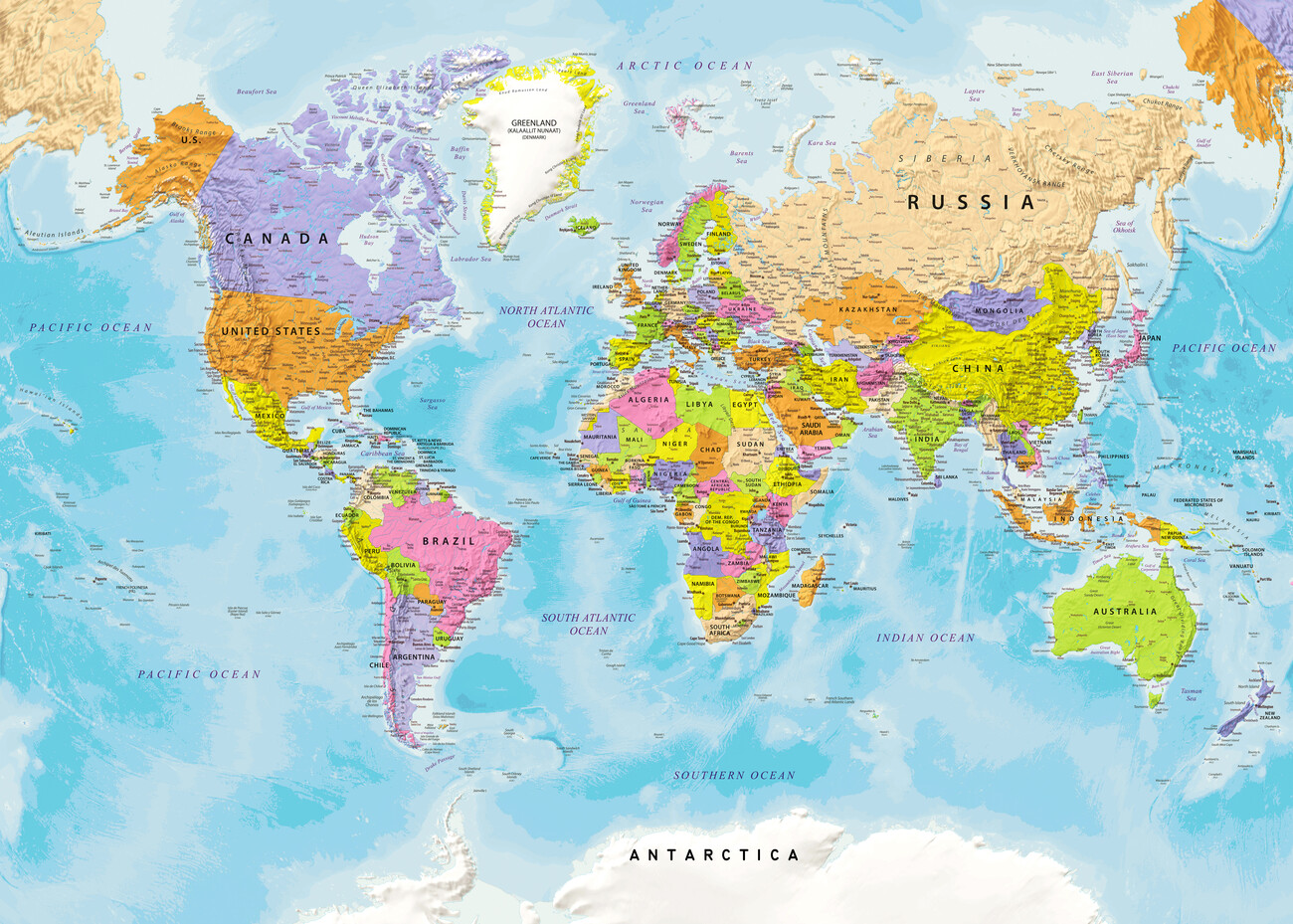
Major League Soccer (MLS) has blossomed from a nascent league into a vibrant and integral part of the North American sporting landscape. Beyond the dazzling goals and captivating rivalries, lies a fascinating tapestry woven from the geographical locations of its teams. These locations aren’t arbitrary; they reflect the cultural, historical, and economic nuances of their respective regions, contributing significantly to the league’s diverse and dynamic identity. This article will explore the geographic distribution of MLS teams, analyzing the factors that influence their presence and the impact they have on their communities and the league as a whole.
The Coastal Core: East vs. West
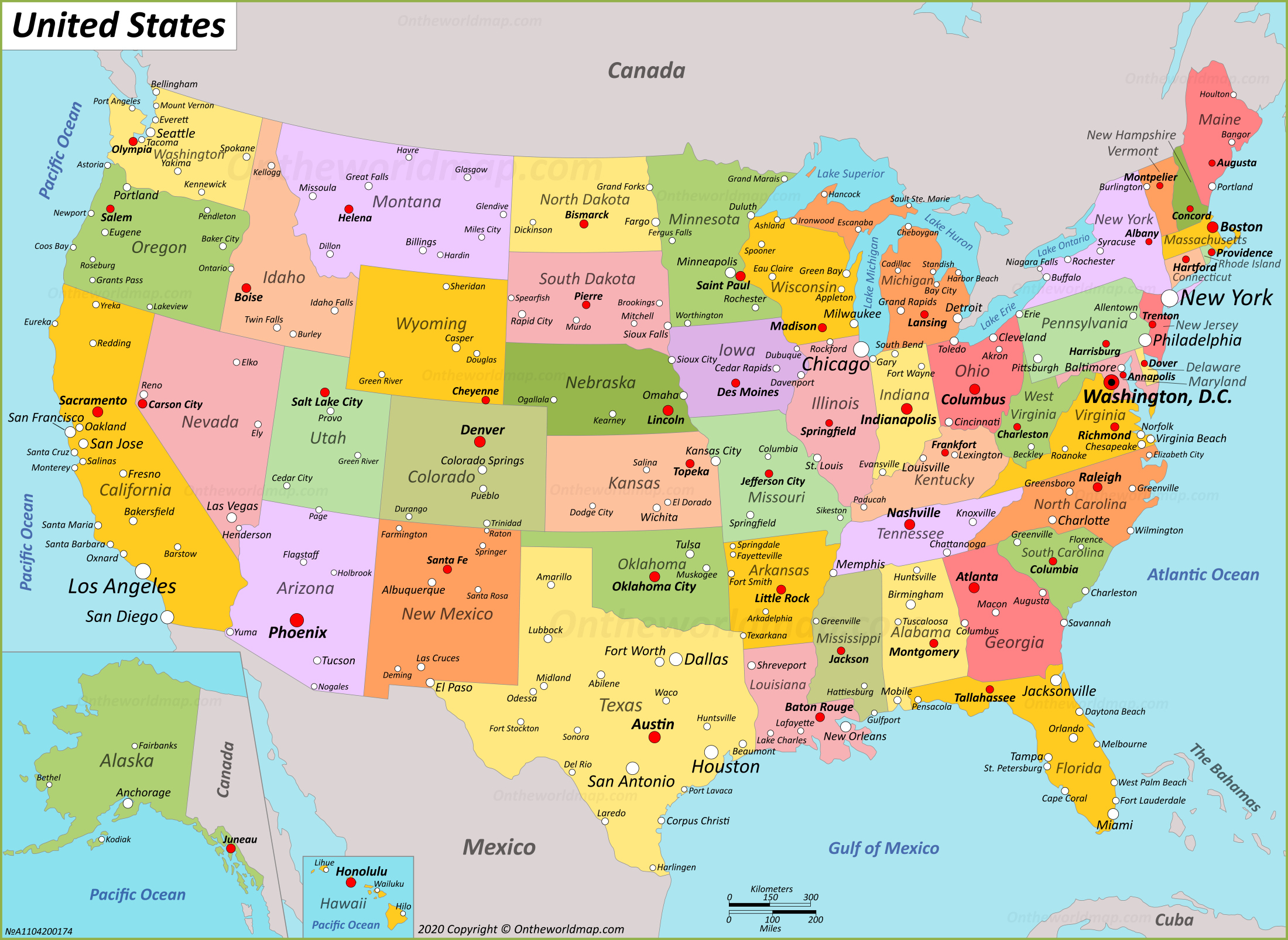
One of the most striking aspects of the MLS map is the concentration of teams along the Atlantic and Pacific coastlines. This isn’t a coincidence; it reflects the historical patterns of population density and economic activity in the United States and Canada.
The Eastern Conference: The East Coast boasts a deep-rooted history and a significant population base. This is reflected in the presence of teams like the New England Revolution, representing the Boston metropolitan area, a region steeped in American history. Further south, New York City FC and the New York Red Bulls battle for supremacy in the nation’s largest media market, capitalizing on the vast potential of the city that never sleeps. Philadelphia, with its rich sporting heritage, is home to the Philadelphia Union, while the D.C. United, located in the nation’s capital, draws support from a diverse population and serves as a symbol of the league’s national aspirations.
Further down the coast, the Inter Miami CF, co-owned by David Beckham, represents the burgeoning soccer culture in South Florida, a region with a significant Latin American population. The Orlando City SC, situated in central Florida, taps into the growing tourism industry and a diverse community of residents. Northward, the Atlanta United FC represents the booming metropolis of Atlanta, Georgia, a city that has embraced soccer with unmatched fervor, setting attendance records and becoming a symbol of the league’s growing popularity in the South.
Finally, the Canadian contingent in the East, CF Montréal and Toronto FC, represent the passionate soccer fanbase in Canada’s two largest cities, further solidifying the league’s pan-North American identity.
The Western Conference: The West Coast, with its own distinct character, similarly hosts a cluster of MLS teams. The LA Galaxy, one of the league’s founding members, has long been a dominant force, attracting international stars and establishing a strong following in the sprawling Los Angeles metropolitan area. Their crosstown rivals, LAFC, have emerged as a formidable force, further intensifying the rivalry and tapping into a younger, more diverse fanbase.
Northward, the Seattle Sounders FC have cultivated a vibrant soccer culture in the Pacific Northwest, known for its passionate and knowledgeable supporters. The Portland Timbers, also located in the Northwest, boast a fiercely loyal following known as the "Timbers Army," creating an electric atmosphere at their home matches. The Vancouver Whitecaps FC, representing the Canadian city of Vancouver, complete the West Coast trio, solidifying the league’s presence in the Pacific Northwest.
Beyond the Coasts: Exploring the Heartland
While the coastal regions dominate the MLS map, teams located in the interior of the continent play a crucial role in expanding the league’s reach and connecting with different communities.
The Sporting Kansas City, located in Kansas City, Missouri, has cultivated a strong soccer culture in the Midwest, building a dedicated fanbase and consistently competing for championships. The Colorado Rapids, representing Denver, Colorado, offer a unique high-altitude playing environment and tap into the growing population and sporting enthusiasm of the Rocky Mountain region.
The FC Dallas, located in the Dallas-Fort Worth metroplex, represents the rapidly growing population and diverse communities of North Texas. The Houston Dynamo FC, located in Houston, Texas, taps into the city’s large Hispanic population and represents the growing soccer culture in the Lone Star State.
Further north, the Real Salt Lake, located in Sandy, Utah, defies geographical expectations, demonstrating that passion for soccer can thrive even in smaller markets. The Minnesota United FC, representing the Twin Cities of Minneapolis and St. Paul, has quickly gained a dedicated following, showcasing the growing popularity of soccer in the Upper Midwest.
The Nashville SC, located in Nashville, Tennessee, represents the burgeoning growth of the city and its diverse cultural scene. The FC Cincinnati, located in Cincinnati, Ohio, has quickly become a force to be reckoned with, showcasing the growing interest in soccer in the Midwest.
Finally, the St. Louis City SC, the newest addition to the league, represents the rich soccer history of St. Louis, Missouri, a city known for its passionate fanbase and its significant contributions to the sport in the United States.
Factors Influencing Location: Beyond Population Density
While population density plays a significant role in determining where MLS teams are located, several other factors also come into play:
-
Economic Viability: The presence of a strong local economy and corporate sponsorship opportunities is crucial for the long-term sustainability of an MLS team. Cities with thriving economies are better positioned to support professional sports franchises.
-
Existing Soccer Culture: Cities with a history of strong youth soccer programs, amateur leagues, and international soccer interest are more likely to embrace an MLS team. The presence of a passionate and knowledgeable fanbase can significantly contribute to a team’s success.
-
Stadium Infrastructure: The availability of suitable stadium infrastructure, either existing or planned, is a critical factor. MLS teams require modern stadiums that can accommodate large crowds and provide a positive fan experience.
-
Ownership and Investment: The presence of wealthy and committed owners who are willing to invest in the team and its infrastructure is essential. Strong ownership provides stability and resources for long-term growth.
-
Government Support: Local and state government support can play a significant role in facilitating the development of stadium infrastructure and attracting major events. Government support can also provide financial incentives and promote the team within the community.
The Impact of MLS Teams on Their Communities:
The presence of an MLS team can have a profound impact on its local community:
-
Economic Development: MLS teams can generate significant economic activity through ticket sales, merchandise sales, tourism, and job creation. They can also attract new businesses and investment to the area.
-
Community Engagement: MLS teams often engage in community outreach programs, supporting local charities, schools, and youth soccer programs. They can also serve as a source of pride and unity for the community.
-
Cultural Enrichment: MLS teams can contribute to the cultural fabric of their communities, bringing together people from diverse backgrounds and fostering a shared passion for soccer.
-
Youth Development: MLS teams can inspire young people to pursue their dreams and provide opportunities for them to develop their soccer skills. They can also serve as role models for young athletes.
Looking Ahead: Future Expansion and Geographical Strategy
MLS continues to grow and evolve, with plans for further expansion in the coming years. The league’s geographical strategy will likely focus on:
-
Filling Gaps in Coverage: Targeting regions that are currently underserved by MLS teams, such as the Southwest and the Southeast.
-
Capitalizing on Growth Markets: Expanding into cities with rapidly growing populations and strong soccer cultures.
-
Strengthening Existing Markets: Adding new teams to existing markets to create rivalries and increase competition.
-
Strategic Partnerships: Forming partnerships with existing soccer organizations to expand the league’s reach and develop talent.
Conclusion:
The geographical distribution of MLS teams is not simply a matter of chance; it reflects the complex interplay of population density, economic viability, soccer culture, and strategic planning. These teams are more than just sports franchises; they are integral parts of their communities, contributing to economic development, community engagement, and cultural enrichment. As MLS continues to grow and evolve, its geographical strategy will play a crucial role in shaping the league’s future and solidifying its position as a major force in the North American sporting landscape. The map of MLS tells a story of growth, ambition, and the enduring power of soccer to unite communities across the continent. It’s a story that’s still being written, and the future promises even more exciting chapters.