In the realm of storytelling, whether you’re crafting your own narrative or dissecting the works of literary giants, understanding the fundamental elements is paramount. A powerful tool for achieving this understanding is the story map graphic organizer. This visual aid provides a structured framework for analyzing and constructing stories, enabling writers and readers alike to delve deeper into plot, characters, setting, theme, and more. This article will explore the benefits of using story maps, different types available, and how to effectively utilize them to unlock the magic within any narrative.
What is a Story Map Graphic Organizer?
At its core, a story map is a visual representation of a story’s key components. It’s a framework that helps you organize your thoughts and understand the interconnectedness of various elements, ultimately leading to a more comprehensive grasp of the narrative’s overall message. Think of it as a roadmap, guiding you through the twists and turns of the plot, highlighting important landmarks like the characters’ development and the significance of the setting.
Why Use a Story Map?
The benefits of incorporating story maps into your reading and writing process are numerous:
- Enhanced Comprehension: By visually mapping out the story’s key elements, you actively engage with the text and improve your understanding of the plot, characters, and underlying themes.
- Improved Recall: The visual nature of the story map aids in memory retention. Connecting concepts visually makes it easier to recall details later on.
- Critical Thinking Skills: Analyzing a story through the lens of a story map encourages critical thinking. You’re forced to identify the most important elements and understand how they contribute to the overall narrative.
- Writing Structure: For aspiring writers, a story map acts as a blueprint, providing a clear structure for crafting compelling stories. It helps organize ideas, develop characters, and build a cohesive plot.
- Collaborative Learning: Story maps are excellent tools for group discussions and collaborative learning. They provide a shared visual reference point, fostering meaningful conversations and shared understanding.
- Visual Learners: Story maps cater specifically to visual learners, making complex information more accessible and engaging.
- Differentiation: Story maps can be easily adapted to meet the needs of diverse learners. Templates can be simplified or expanded depending on the student’s skill level.
- Identifying Gaps: When analyzing a story, a story map can highlight gaps in understanding or areas where the narrative might be unclear or inconsistent.
- Preparing for Writing: Story maps are an invaluable pre-writing tool. They help generate ideas, organize thoughts, and develop a strong foundation for writing.
Types of Story Maps:
While the basic principle remains the same, story maps can take various forms, each suited for different purposes and age groups. Here are some common types:
-
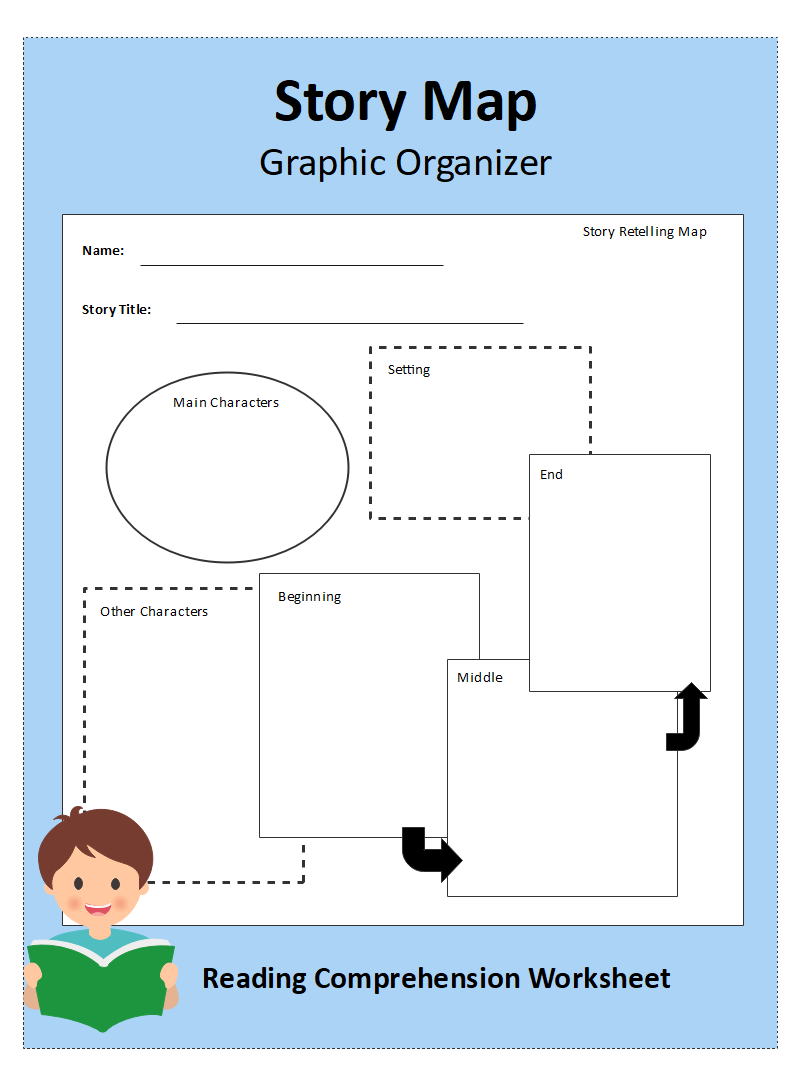
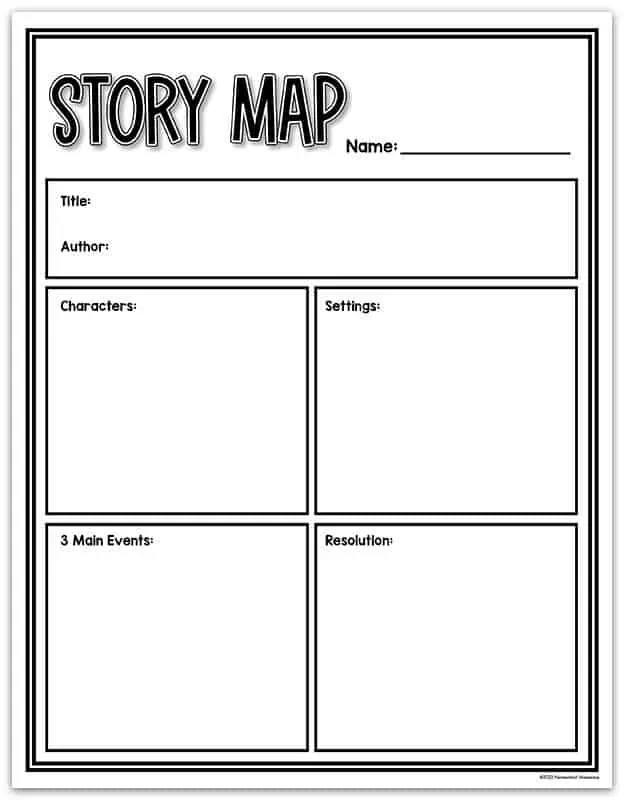
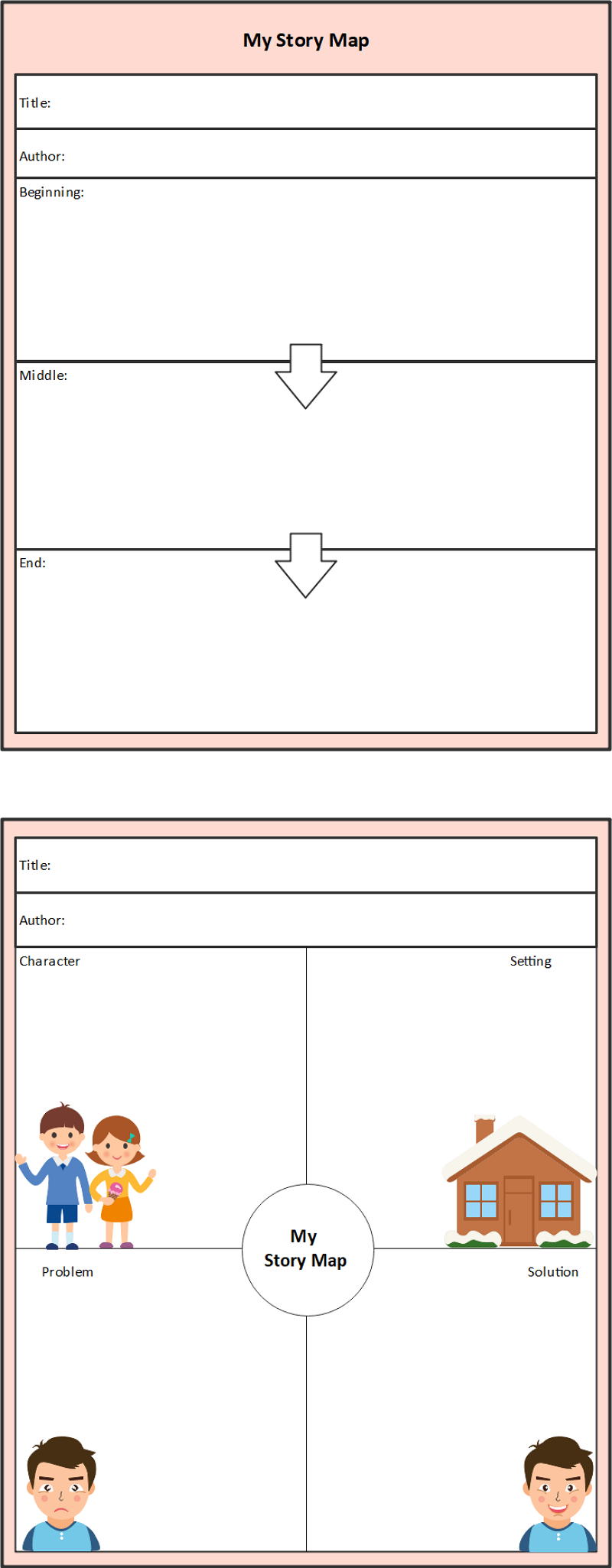
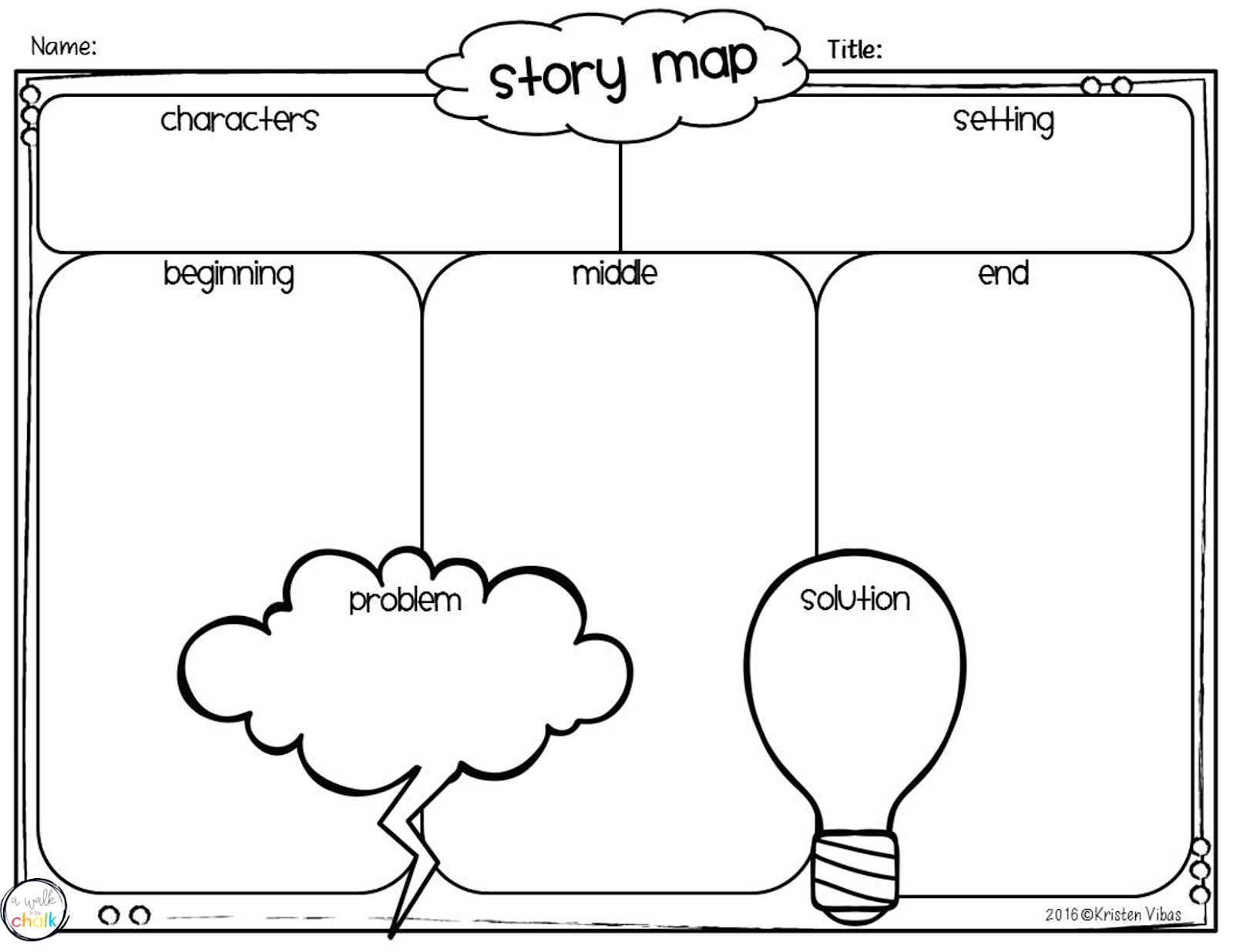
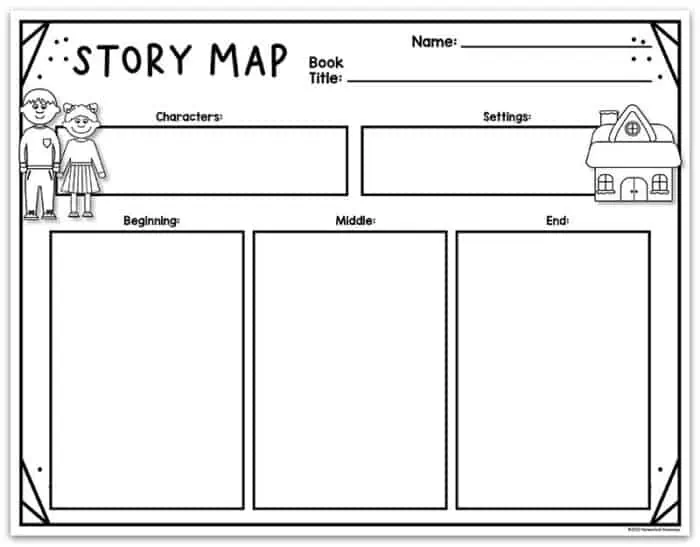
The Basic Story Map: This is the simplest form, typically including elements like:
- The name of the story.
- Author: The person who wrote the story.
- Characters: The main people or beings in the story.
- Setting: Where and when the story takes place.
- Problem/Conflict: The main challenge the characters face.
- Solution/Resolution: How the problem is solved.
-
The Character-Focused Story Map: This type delves deeper into character analysis, focusing on:
- Character Name: The name of the character.
- Physical Description: The character’s appearance.
- Personality Traits: The character’s defining characteristics.
- Motivations: What drives the character’s actions.
- Relationships: How the character interacts with others.
- Character Development: How the character changes throughout the story.
-
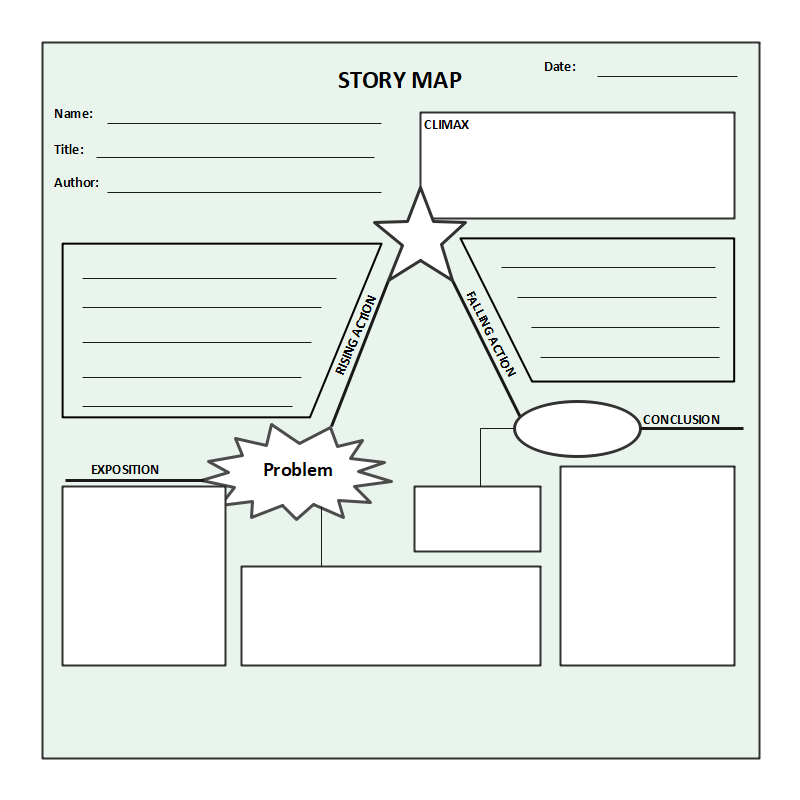
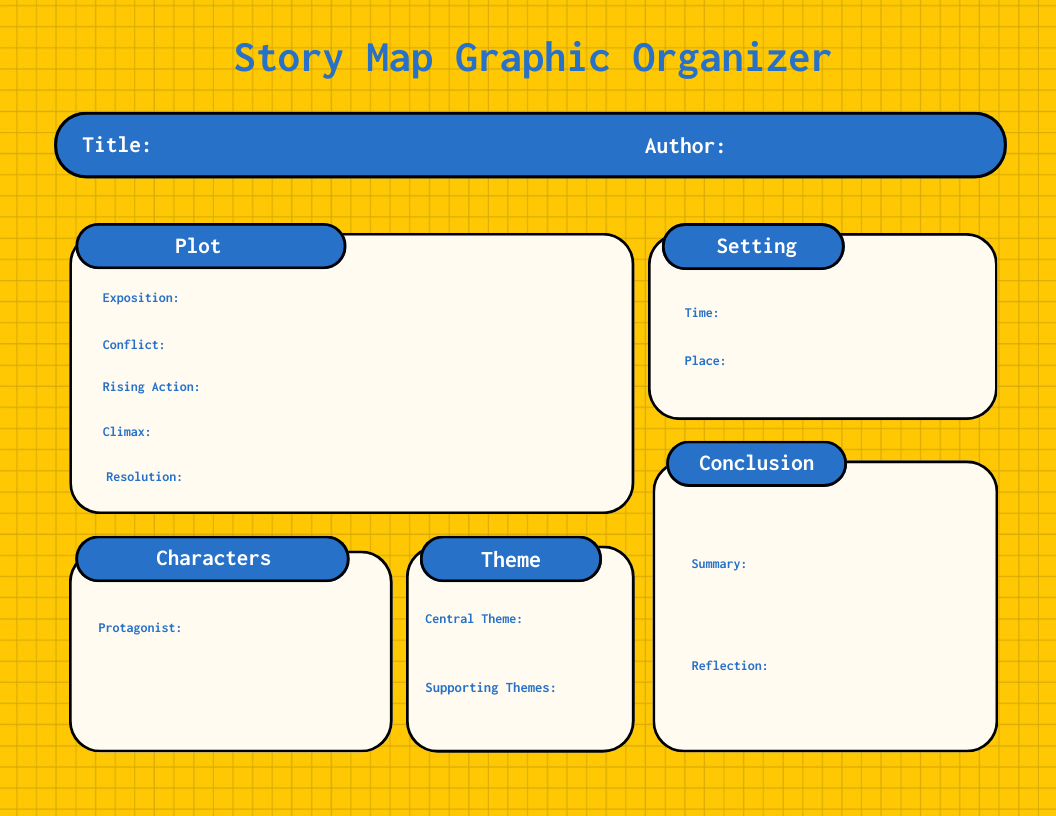
The Plot Diagram (Freytag’s Pyramid): This classic story map visually represents the story’s structure, including:
- Exposition: The introduction of characters, setting, and initial situation.
- Rising Action: The events that build tension and lead to the climax.
- Climax: The turning point of the story, where the conflict reaches its peak.
- Falling Action: The events that follow the climax, leading to the resolution.
- Resolution/Denouement: The conclusion of the story, where the conflict is resolved.
-
The Theme-Based Story Map: This type focuses on identifying and analyzing the overarching themes of the story:
- Theme: The central idea or message of the story.
- Evidence: Examples from the text that support the theme.
- Significance: The importance of the theme in the story and its relevance to the reader.
-
The Problem-Solution Story Map: This type emphasizes the problem-solving aspect of the narrative:
- Problem: The central conflict or challenge faced by the characters.
- Attempts: The various attempts the characters make to solve the problem.
- Solution: The ultimate resolution to the problem.
- Consequences: The results of the solution, both positive and negative.
-
The 5 W’s and H Story Map: This map uses the journalistic approach to analyze the story:
- Who: Who are the main characters involved?
- What: What is the main event or conflict?
- Where: Where does the story take place?
- When: When does the story take place?
- Why: Why did the events happen?
- How: How did the events unfold?
How to Use a Story Map Effectively:
Regardless of the type you choose, here’s a step-by-step guide to effectively utilize a story map:
-
Choose the Right Story Map: Select the type of story map that best suits the purpose of your analysis or writing. Consider the age and skill level of the users and the specific focus of the story.
-
Read the Story Carefully: Before filling out the story map, read the story thoroughly. Pay attention to the key details, characters, setting, and plot points.
-
Identify the Main Elements: As you read, start identifying the main elements of the story. Highlight or take notes on important details that will be included in the story map.
-
Fill in the Story Map: Use the information you gathered to complete the story map. Be concise and accurate in your entries.
-
Analyze and Discuss: Once the story map is complete, analyze the information and discuss its significance. Consider how the different elements of the story are connected and how they contribute to the overall meaning.
-
Revise and Refine: If you’re using the story map as a pre-writing tool, use the analysis to revise and refine your story. Identify any gaps or inconsistencies and make adjustments as needed.
Examples of Story Map Application:
Let’s illustrate how a story map can be used with a well-known story, "Little Red Riding Hood," using a basic story map format:
- Little Red Riding Hood
- Author: Charles Perrault (often attributed)
- Characters: Little Red Riding Hood, Grandmother, Wolf, Woodsman
- Setting: Forest, Grandmother’s House
- Problem/Conflict: The Wolf deceives Little Red Riding Hood and eats her Grandmother.
- Solution/Resolution: The Woodsman rescues Little Red Riding Hood and her Grandmother by cutting open the Wolf.
A more complex plot diagram-based story map would look like this:
- Exposition: Little Red Riding Hood is sent to her grandmother’s house with a basket of food.
- Rising Action: She encounters a wolf who asks her where she is going. The wolf races ahead to the grandmother’s house and eats her. He then disguises himself as the grandmother.
- Climax: Little Red Riding Hood arrives and notices the wolf’s strange appearance. The wolf attempts to eat her.
- Falling Action: A woodsman hears the commotion and enters the house.
- Resolution/Denouement: The woodsman cuts open the wolf, freeing Little Red Riding Hood and her grandmother. The wolf is punished.
Tips for Creating Effective Story Maps:
- Keep it Simple: Avoid overcrowding the story map with too much information. Focus on the most important elements.
- Use Visual Cues: Incorporate visual cues like colors, symbols, and illustrations to make the story map more engaging and memorable.
- Be Consistent: Use a consistent format and labeling throughout the story map.
- Adapt to Your Needs: Don’t be afraid to modify the story map to fit the specific needs of your analysis or writing project.
- Use Technology: Utilize digital tools to create interactive and collaborative story maps.
Conclusion:
The story map graphic organizer is a versatile and powerful tool for unlocking the complexities of storytelling. By providing a structured framework for analyzing and constructing narratives, it enhances comprehension, improves recall, fosters critical thinking, and aids in writing development. Whether you’re a student, a teacher, or an aspiring writer, mastering the art of the story map can significantly improve your understanding and appreciation of the power of stories. So, embrace the visual nature of this valuable tool and embark on a journey to explore the hidden depths and captivating messages within every narrative. It’s a journey well worth taking.