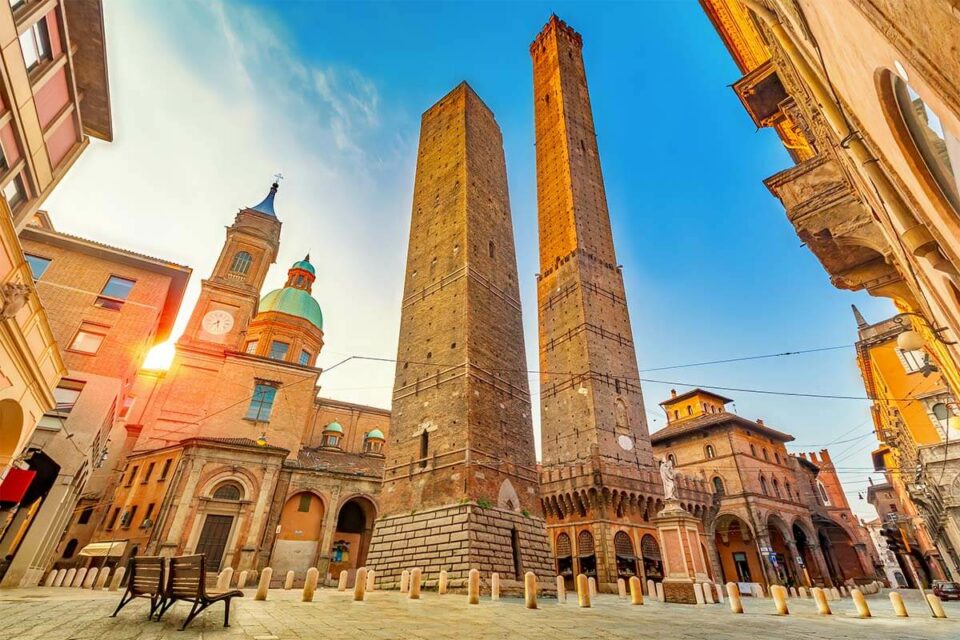
Bologna, a city of terracotta hues, portico-lined streets, and a rich culinary heritage, sits firmly at the heart of the Emilia-Romagna region in northern Italy. More than just a geographical point on the map, Bologna represents a vibrant tapestry of history, culture, gastronomy, and academic excellence, making it a compelling destination for travelers and a vital component of Italy’s identity.
Location, Location, Location: A Strategic Crossroads
Nestled at the foot of the Apennine Mountains and strategically positioned along the ancient Via Emilia, Bologna has always been a pivotal crossroads. Its location, approximately halfway between Florence and Venice, has contributed significantly to its historical significance and economic prosperity. The city’s fertile plains, fed by the Po River Valley, have fostered a thriving agricultural industry, providing a foundation for its renowned culinary traditions.
The geographical advantages of Bologna are evident in its transportation network. It boasts a major railway hub, connecting northern and southern Italy, as well as providing access to neighboring European countries. The Bologna Airport (Guglielmo Marconi Airport) serves as a key international gateway, facilitating tourism and trade. This connectivity has made Bologna a crucial logistics center and a vital node in Italy’s economic infrastructure.
A City Steeped in History: From Etruscan Origins to Medieval Powerhouse
Bologna’s history is as rich and layered as its famous ragù. Its origins can be traced back to the Etruscan civilization, who established a settlement known as Felsina in the 6th century BC. Later, the Romans conquered the area and renamed it Bononia, turning it into a flourishing Roman colony. The legacy of Roman influence is still visible in the city’s grid-like street plan and the remnants of its ancient infrastructure.
However, Bologna truly rose to prominence during the medieval period. In 1088, the University of Bologna, the oldest continuously operating university in the Western world, was founded. This groundbreaking institution transformed Bologna into a center of intellectual thought and legal scholarship, attracting students and scholars from across Europe. The university’s influence shaped the city’s identity and contributed to its nickname, "La Dotta" (The Learned).
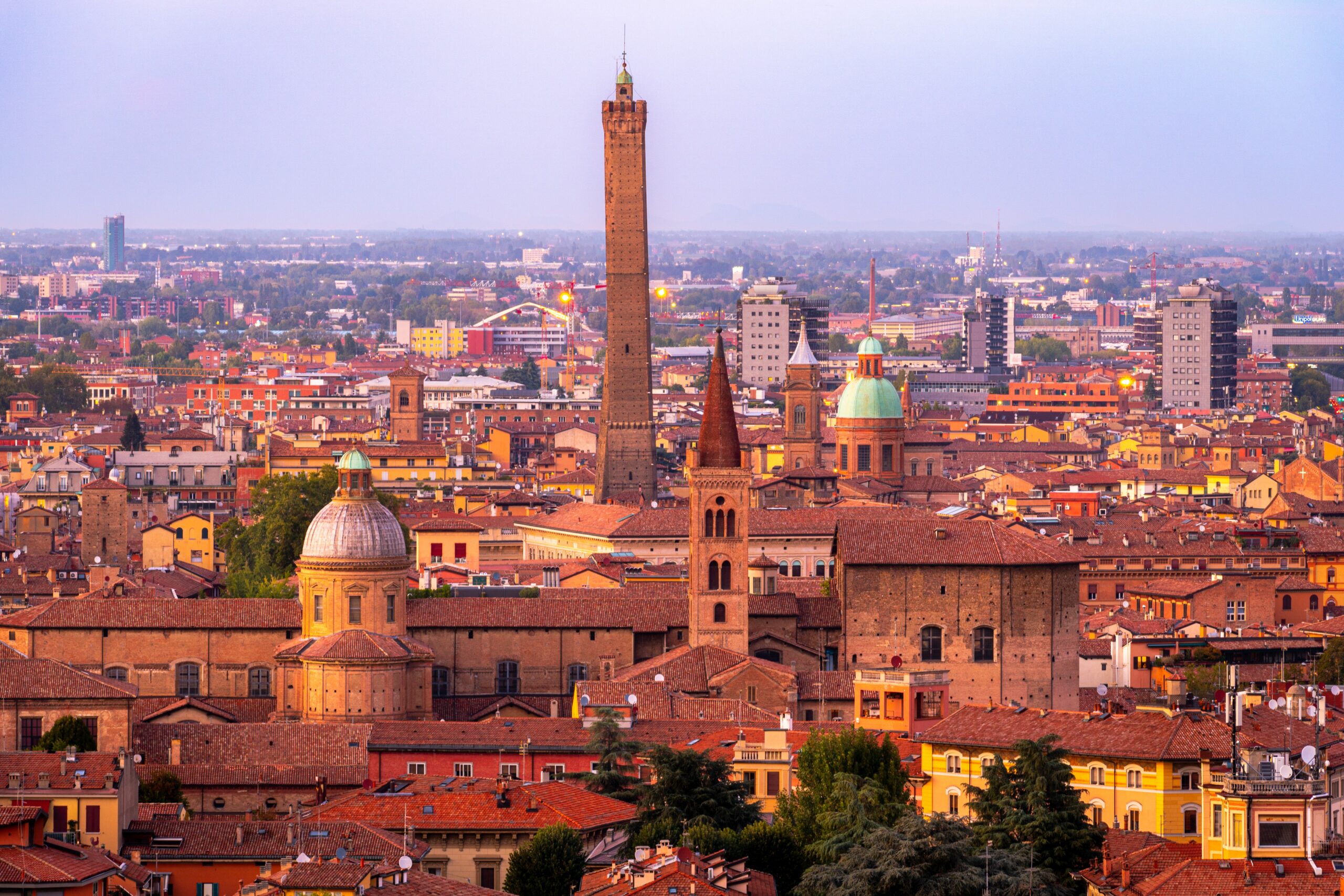
The Middle Ages also saw the rise of powerful families and the construction of numerous towers, earning Bologna another nickname, "La Turrita" (The Towered). These towers, built for defensive purposes and as symbols of family power, once numbered over 100. While many have been lost to time, the iconic Two Towers, Asinelli and Garisenda, still stand tall, offering panoramic views of the city and serving as enduring symbols of Bologna’s medieval grandeur.
The city’s political landscape was characterized by intense rivalries and shifting alliances. Bologna transitioned from a free commune to a Papal state in the 16th century, remaining under papal control until the unification of Italy in the 19th century. Despite the political changes, Bologna continued to thrive as a center of commerce, culture, and learning.
Gastronomic Glory: The Culinary Capital of Italy
Bologna’s reputation as "La Grassa" (The Fat) is well-deserved. The city is renowned as the culinary capital of Italy, a haven for food lovers seeking authentic and indulgent experiences. The fertile plains surrounding Bologna provide a bounty of fresh ingredients, which are expertly transformed into culinary masterpieces.
The most iconic dish associated with Bologna is, of course, ragù alla bolognese, a rich and slow-cooked meat sauce typically served with tagliatelle pasta. This hearty and flavorful sauce is a testament to Bologna’s culinary heritage and a staple of its gastronomic identity.
Beyond ragù, Bologna boasts a diverse culinary landscape. Fresh pasta, such as tortellini in brodo (small, ring-shaped pasta filled with meat in broth) and lasagna verde (layered pasta with meat sauce and béchamel), are essential components of Bolognese cuisine. The city is also famous for its cured meats, including mortadella, a large, finely ground pork sausage studded with pistachios, and prosciutto di Parma, a dry-cured ham.
The Mercato di Mezzo, a historic market hall, is a vibrant hub where locals and tourists alike can sample the best of Bolognese cuisine. From fresh produce and artisanal cheeses to traditional pasta dishes and local wines, the market offers a sensory feast that encapsulates the city’s culinary spirit.
A City of Porticoes: Architectural Elegance and Social Spaces
One of the most distinctive features of Bologna is its extensive network of porticoes, covered walkways that line the city’s streets. These porticoes, which stretch for over 38 kilometers, provide shelter from the elements, creating comfortable and inviting public spaces.
The porticoes are not merely architectural features; they are integral to Bologna’s social fabric. They provide a sense of continuity and connection, fostering a lively street culture. Under the porticoes, you’ll find shops, cafes, restaurants, and bustling crowds, creating a vibrant atmosphere that is unique to Bologna.
In 2021, UNESCO recognized the significance of Bologna’s porticoes by adding them to its World Heritage List. This recognition highlights the historical, architectural, and social importance of these iconic structures.
Academic Excellence: The Legacy of the University of Bologna
The University of Bologna, the oldest university in the Western world, has played a pivotal role in shaping the city’s identity and intellectual landscape. Founded in 1088, the university has attracted scholars and students from across Europe for centuries, contributing to Bologna’s reputation as "La Dotta" (The Learned).
The university’s influence extends far beyond its academic walls. It has fostered a culture of intellectual curiosity and innovation, contributing to Bologna’s vibrant cultural scene. The presence of a large student population adds a youthful energy to the city, contributing to its lively nightlife and alternative cultural scene.
Modern Bologna: A City Balancing Tradition and Innovation
While steeped in history and tradition, Bologna is also a modern and dynamic city. It is a thriving economic center, with a strong presence in the manufacturing, food processing, and technology sectors. The city is also committed to sustainability, promoting green initiatives and investing in public transportation.
Bologna has successfully balanced its rich historical heritage with its aspirations for the future. It has preserved its architectural treasures while embracing innovation and progress. The city’s vibrant cultural scene, thriving economy, and commitment to sustainability make it a compelling destination for visitors and a vital contributor to Italy’s economic and cultural landscape.
Exploring Bologna on the Map: A Journey Through History and Culture
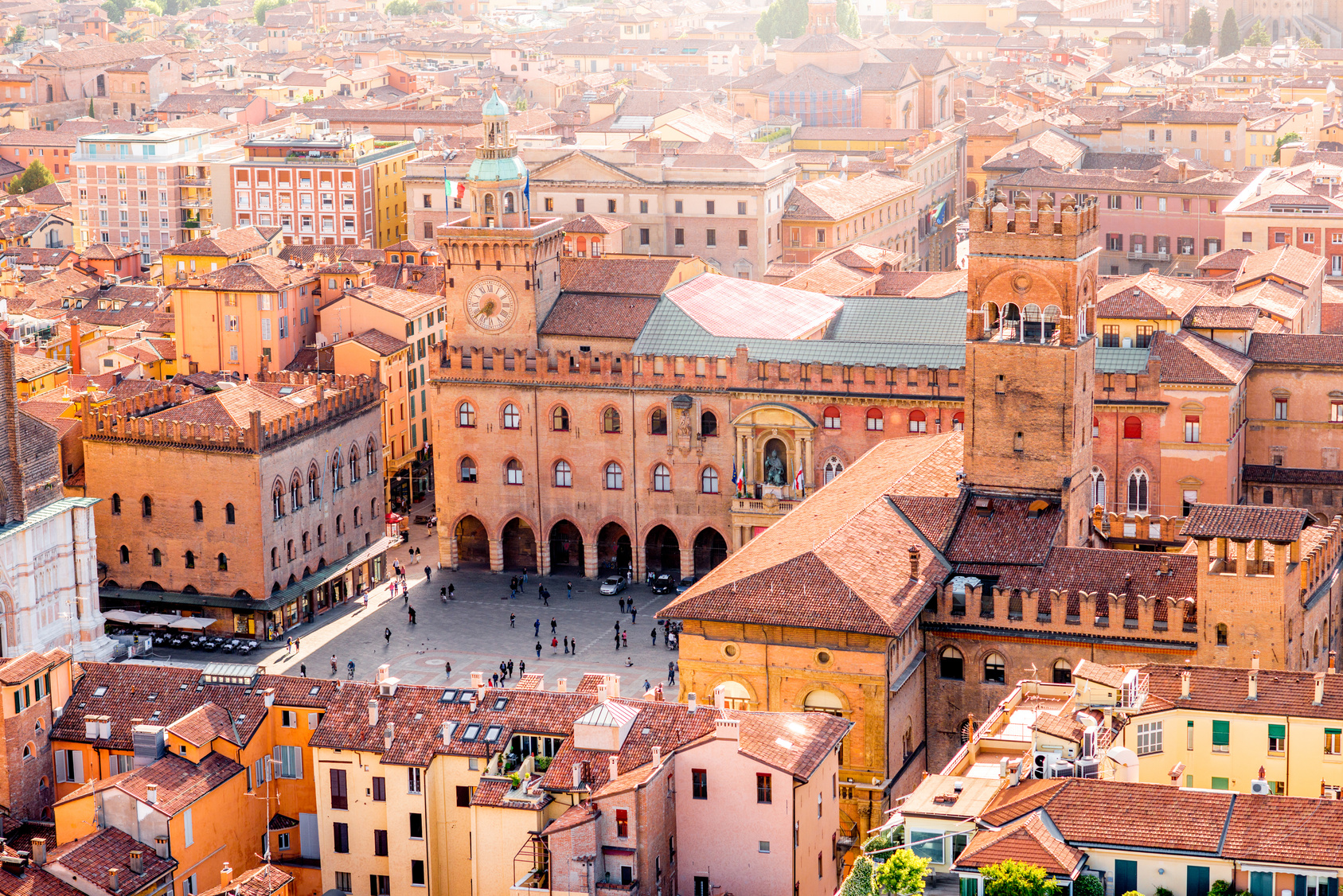
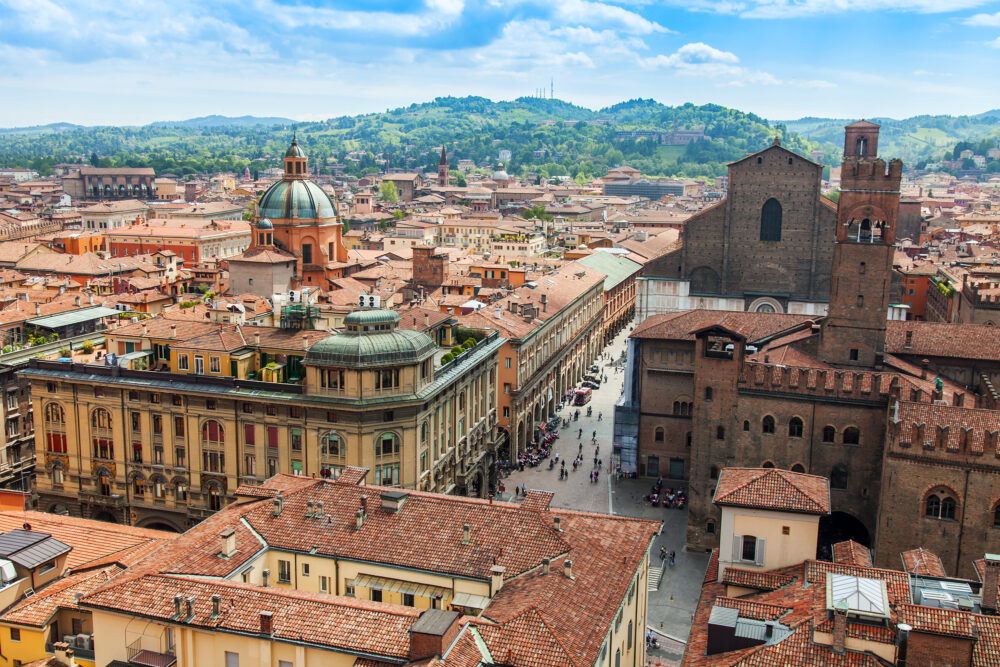
Visiting Bologna is like stepping into a living history book. From the iconic Two Towers to the bustling Piazza Maggiore, the city offers a wealth of historical and cultural attractions.
- Piazza Maggiore: The heart of Bologna, this grand square is surrounded by historic buildings, including the Basilica di San Petronio, Palazzo d’Accursio (the city hall), and Palazzo del Podestà.
- Basilica di San Petronio: An unfinished masterpiece of Gothic architecture, this massive church dominates Piazza Maggiore. Its interior features stunning frescoes and the Meridian Line, a historical astronomical instrument.
- The Two Towers (Asinelli and Garisenda): These iconic medieval towers offer panoramic views of the city. Climbing the Asinelli Tower is a must-do experience for visitors.
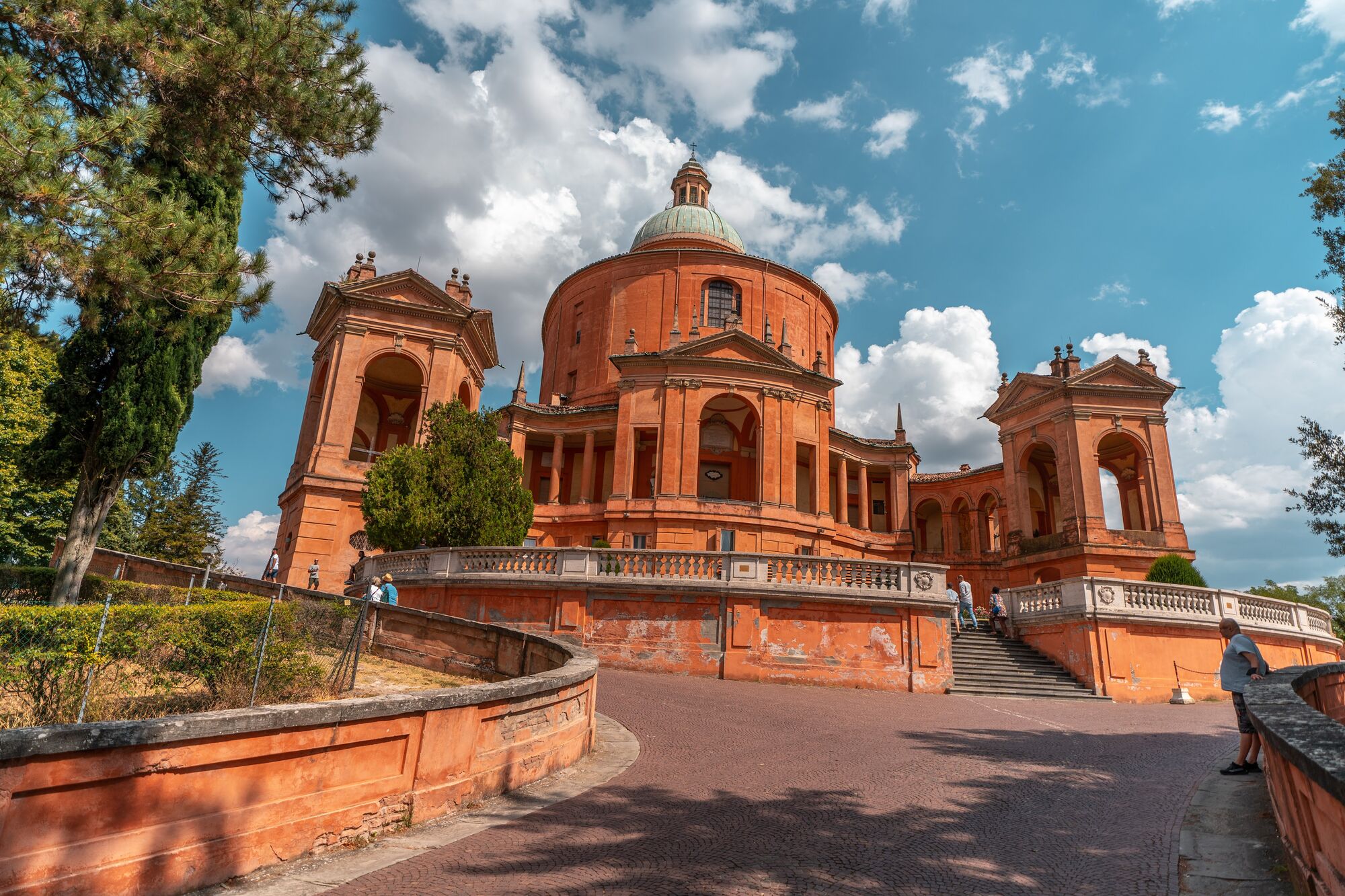
- Sanctuary of San Luca: Perched atop a hill overlooking Bologna, this sanctuary is connected to the city by the world’s longest portico.
- Archiginnasio: The former main building of the University of Bologna, this stunning building features a beautiful courtyard and the Anatomical Theatre.
Conclusion: Bologna – More Than Just a Point on the Map
Bologna is more than just a geographical point on the map of Italy. It is a city with a rich history, a vibrant culture, and a thriving economy. From its Etruscan origins to its medieval powerhouse status, Bologna has played a pivotal role in shaping Italy’s identity. Its world-renowned university, its culinary excellence, and its unique network of porticoes contribute to its distinctive charm and make it a compelling destination for travelers. Bologna is a city that truly deserves its nicknames: "La Dotta," "La Grassa," and "La Turrita," a testament to its learning, its gastronomy, and its towers. Visiting Bologna is an enriching experience that will leave you with a lasting appreciation for the heart of Emilia-Romagna and the soul of Italy.