Thirty-seven years after the catastrophic explosion at the Chernobyl Nuclear Power Plant, the zone surrounding the reactor remains a stark reminder of the potential consequences of nuclear technology. While time and natural processes have significantly reduced radiation levels, the area is far from safe for unrestricted human habitation. Understanding radiation maps of Chernobyl is crucial for scientists, policymakers, and even the simply curious, offering insights into the long-term impacts of nuclear fallout, the effectiveness of remediation efforts, and the ongoing challenges of managing a contaminated landscape.
Radiation maps, in their various forms, are visual representations of the distribution and intensity of radioactive contamination across the Chernobyl Exclusion Zone (CEZ). They are not static images but dynamic representations, constantly being updated with new data collected through ground surveys, aerial monitoring, and laboratory analysis of soil, water, and biota. These maps paint a complex picture, revealing a landscape riddled with hotspots, areas of surprisingly low contamination, and gradients of radiation that dictate permissible activities and long-term ecological changes.
The Anatomy of a Chernobyl Radiation Map
Before delving into the specifics of Chernobyl’s radiation landscape, it’s essential to understand the components that constitute a radiation map and how the data is collected and interpreted.
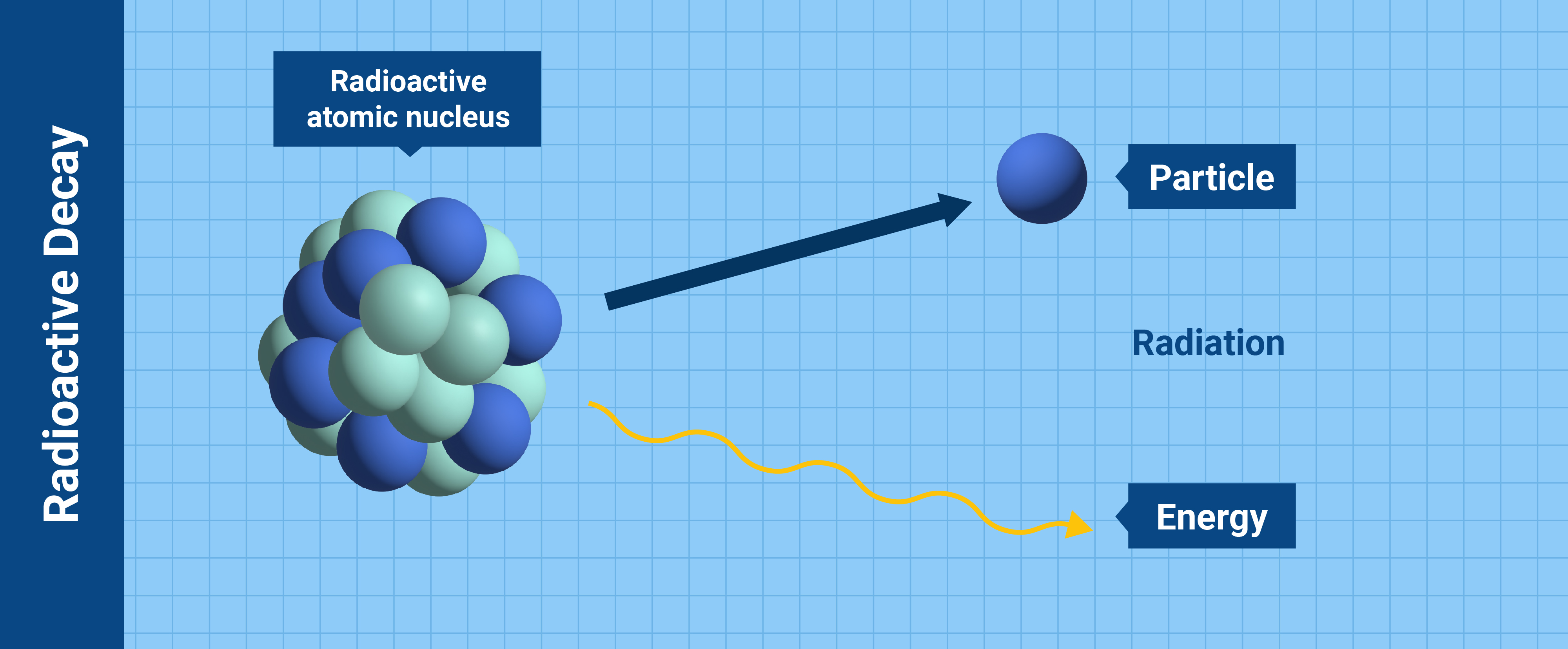
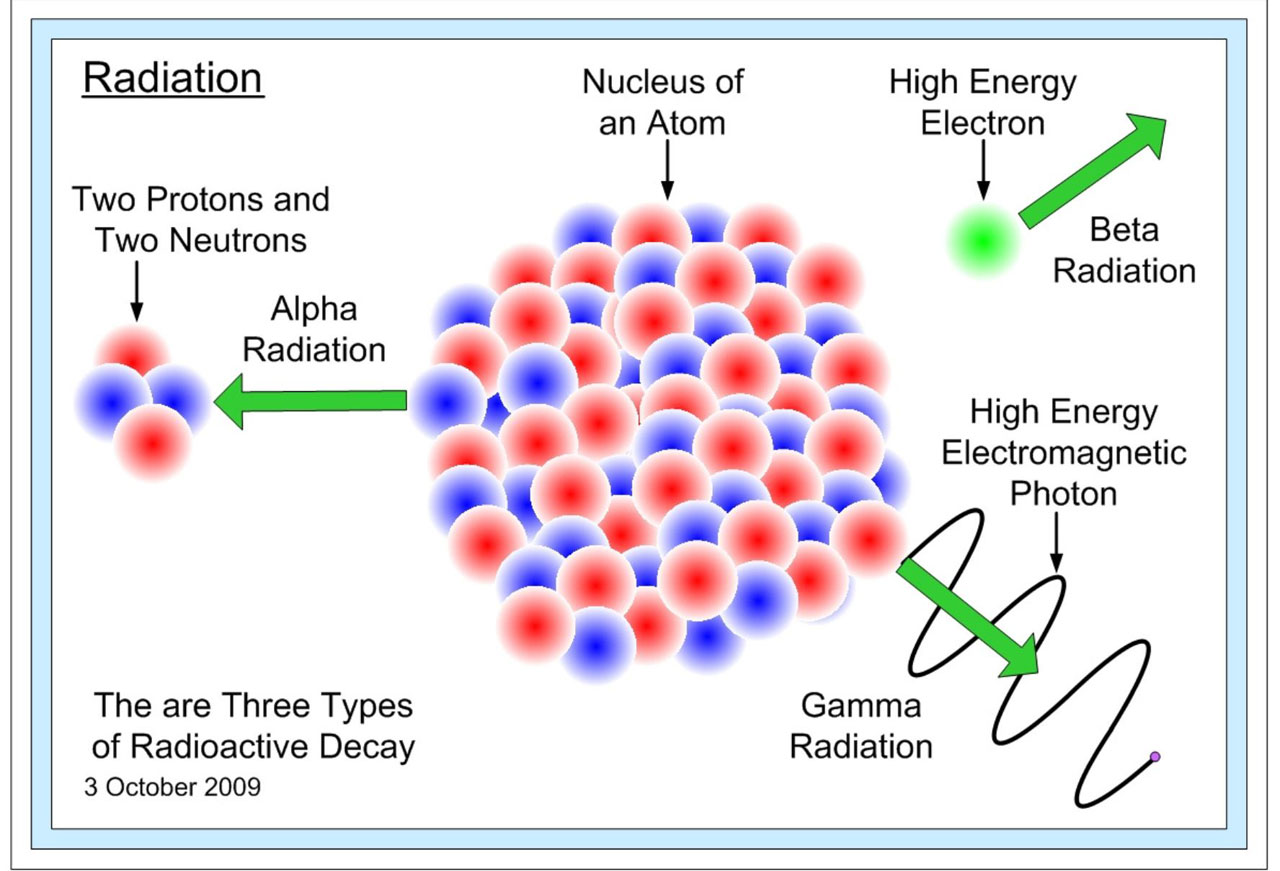
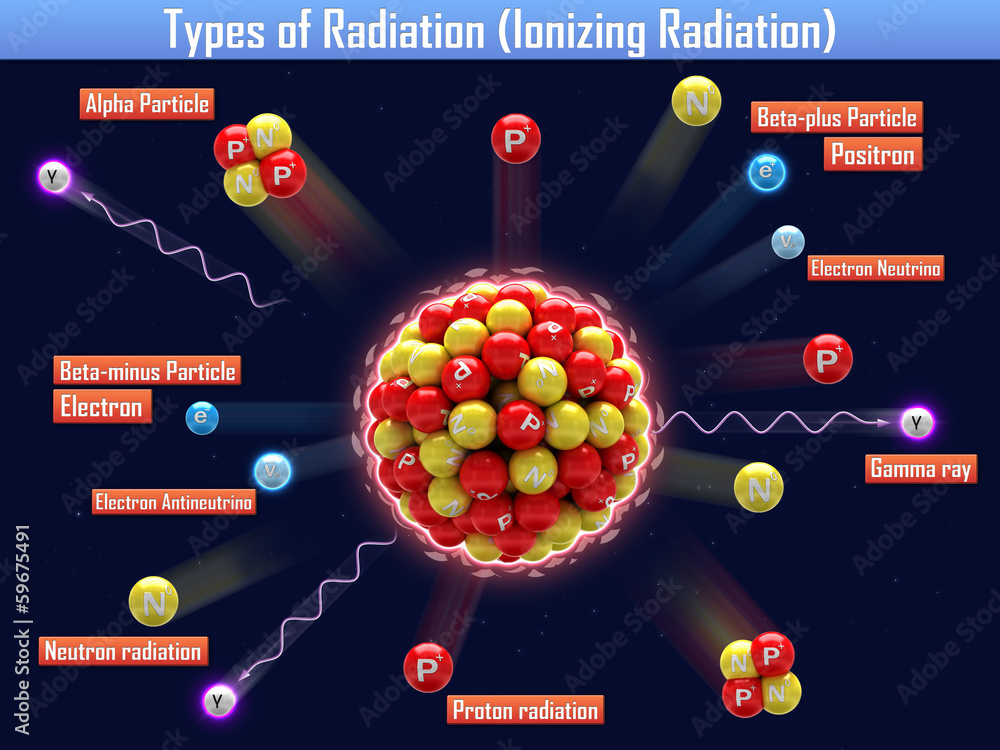
- Isotopes of Concern: Chernobyl released a complex cocktail of radioactive isotopes, but some pose a greater long-term threat than others. Cesium-137 (¹³⁷Cs) and Strontium-90 (⁹⁰Sr) are particularly problematic due to their relatively long half-lives (approximately 30 years for ¹³⁷Cs and 29 years for ⁹⁰Sr). They are also readily absorbed by plants and animals, making them major contributors to internal radiation exposure through ingestion. Plutonium isotopes, while less abundant in the initial release, also contribute to the long-term hazard due to their extremely long half-lives.
- Units of Measurement: Radiation is measured in various units, but the most common on Chernobyl radiation maps are:
- Sieverts (Sv): A unit of equivalent dose, representing the biological effect of radiation on humans. Due to the low levels of radiation in most areas, maps often use microSieverts (µSv, one millionth of a Sievert) or milliSieverts (mSv, one thousandth of a Sievert).
- Becquerels (Bq): A unit of radioactivity, measuring the number of radioactive decays per second. It’s often used to express the concentration of radioactive isotopes in soil, water, or food, typically in Becquerels per kilogram (Bq/kg) or Becquerels per liter (Bq/L).
- Mapping Techniques: Data collection methods vary, each with its own strengths and limitations:
- Ground Surveys: Teams equipped with handheld radiation detectors systematically traverse the area, taking measurements at regular intervals. This provides detailed, localized information but is time-consuming and limited by accessibility.
- Aerial Surveys: Helicopters or drones equipped with radiation sensors can cover large areas quickly, providing a broad overview of the radiation landscape. However, the resolution is typically lower than ground surveys.
- Laboratory Analysis: Soil, water, and biological samples are collected and analyzed in laboratories to determine the concentration of specific radioactive isotopes. This provides the most accurate and detailed information but is limited by the number of samples that can be processed.
- Visual Representation: Radiation data is typically presented using color-coded maps, where different colors represent different levels of radiation. Hotspots, areas with significantly elevated radiation levels, are often highlighted with red or orange, while areas with lower radiation levels are depicted in green or blue.
The Chernobyl Radiation Landscape: A Patchwork of Contamination
The distribution of radioactive contamination across the CEZ is far from uniform. It’s a complex patchwork influenced by several factors, including:
- Wind Direction and Precipitation: During the initial days after the explosion, the wind carried radioactive particles in different directions, resulting in localized areas of high contamination downwind from the reactor. Rainfall played a crucial role in depositing these particles onto the ground, creating distinct "contamination plumes."
- Terrain and Land Use: The topography of the area, including forests, wetlands, and agricultural fields, also influenced the deposition and retention of radioactive isotopes. Forests, for example, tend to accumulate more radioactive material than open fields.
- Remediation Efforts: Extensive cleanup operations were undertaken in the years following the accident, including the removal and burial of contaminated soil, the construction of barriers to prevent the spread of contamination, and the decontamination of buildings and infrastructure. These efforts have significantly reduced radiation levels in some areas, but they have also created localized burial sites that remain a source of contamination.
Key Features of Chernobyl Radiation Maps:
- The Red Forest: This area, located immediately west of the Chernobyl plant, received the highest levels of radiation during the accident. The pine trees in the Red Forest turned red and died shortly after the explosion, giving the area its name. Today, the Red Forest remains one of the most contaminated areas in the CEZ, although radiation levels have decreased over time.
- The Reactor Site: The area immediately surrounding the destroyed reactor is still heavily contaminated, despite the construction of the New Safe Confinement (NSC), a massive steel arch designed to contain the remaining radioactive material. Access to this area is strictly controlled.
- The Exclusion Zone Boundary: The 30-kilometer radius around the Chernobyl plant forms the core of the CEZ. Within this zone, radiation levels remain elevated, and human habitation is generally prohibited. However, some areas within the CEZ have been deemed safe for limited access and research purposes.
- Hotspots: Scattered throughout the CEZ are numerous hotspots, areas with significantly elevated radiation levels. These hotspots are often associated with areas where radioactive particles accumulated due to wind patterns, terrain, or past cleanup activities. They pose a significant risk to anyone who enters these areas without proper precautions.
The Evolution of Radiation Maps and Ongoing Monitoring:
Radiation maps of Chernobyl are not static representations but are constantly evolving as new data is collected and analyzed. Ongoing monitoring programs are essential for tracking the long-term changes in radiation levels, assessing the effectiveness of remediation efforts, and managing the risks associated with the contaminated landscape.
- Regular Surveys: Ground and aerial surveys are conducted regularly to monitor radiation levels across the CEZ. These surveys provide valuable data for updating radiation maps and identifying emerging hotspots.
- Environmental Monitoring: Soil, water, and biological samples are collected and analyzed to track the movement of radioactive isotopes through the environment. This helps scientists understand the long-term ecological impacts of the accident and identify potential pathways of human exposure.
- Modeling and Prediction: Sophisticated computer models are used to predict the future behavior of radioactive isotopes in the environment. These models can help policymakers make informed decisions about land management and remediation strategies.
The Significance of Radiation Maps:
Radiation maps of Chernobyl serve several crucial purposes:
- Risk Assessment: They provide essential information for assessing the risks associated with living or working in the CEZ. This information is used to establish safe access limits, develop protective measures, and manage the potential for human exposure.
- Remediation Planning: Radiation maps guide remediation efforts by identifying areas that require cleanup and prioritizing resources. They also help to evaluate the effectiveness of remediation strategies.
- Ecological Research: They provide a valuable tool for studying the long-term ecological impacts of the Chernobyl accident. Scientists use radiation maps to understand how radiation affects plant and animal populations, ecosystem processes, and the overall biodiversity of the CEZ.
- Public Awareness: They help to raise public awareness about the ongoing challenges of managing the Chernobyl legacy. By providing a visual representation of the radiation landscape, they can help people understand the risks and complexities associated with nuclear contamination.
The Future of Chernobyl and its Radiation Landscape:
The Chernobyl Exclusion Zone remains a unique and complex environment. While radiation levels have decreased significantly over the past three decades, the area is still far from safe for unrestricted human habitation. Ongoing monitoring, remediation efforts, and research are essential for managing the risks associated with the contaminated landscape and ensuring the long-term safety of the surrounding population.
The radiation maps of Chernobyl are more than just scientific documents; they are a testament to the enduring legacy of a nuclear catastrophe. They serve as a stark reminder of the potential consequences of nuclear technology and the importance of responsible nuclear management. They also offer valuable insights into the long-term impacts of nuclear fallout, the effectiveness of remediation efforts, and the ongoing challenges of managing a contaminated landscape, lessons that are crucial for preventing similar tragedies in the future. The maps are a living document, constantly evolving with new data and insights, and a vital tool for understanding and managing the lingering shadow of Chernobyl.