The Boeing 777, often dubbed the "Triple Seven," is a workhorse of long-haul aviation. Known for its reliability and spaciousness, it connects continents and carries millions of passengers annually. However, not all seats on a 777 are created equal. Understanding the Boeing 777 seat map is crucial for securing a comfortable and enjoyable flying experience, especially on those grueling long-haul journeys.
This comprehensive guide will equip you with the knowledge to navigate the complexities of the 777 seat map, helping you identify the best and worst seats, understand the nuances of different configurations, and ultimately, make informed decisions when choosing your seat.
Understanding the Boeing 777 Variations:
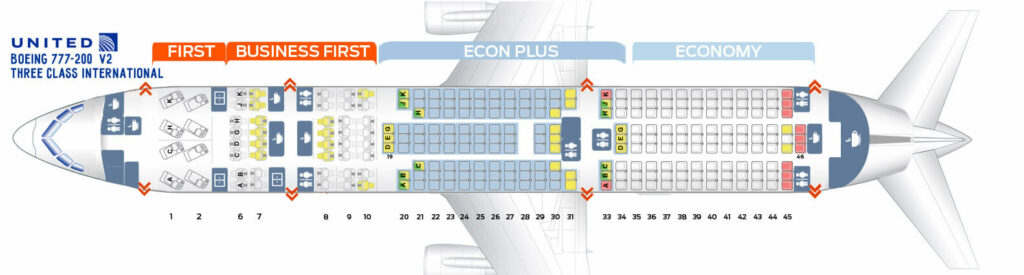
The first step to deciphering the seat map is recognizing that there isn’t a single, universal 777 configuration. Airlines customize their aircraft interiors to suit their specific needs and passenger demographics. The two main variants you’ll encounter are the 777-200 and the 777-300, with variations within each.
-
Boeing 777-200: This is the original model, typically accommodating between 300 and 400 passengers. It’s often used for long-haul routes but can also be found on shorter, regional flights.
-
Boeing 777-300: A stretched version of the 777-200, the 777-300 boasts a longer fuselage, allowing for more seats. This variant can carry upwards of 450 passengers, making it a popular choice for high-density routes.
-
Boeing 777-200ER/LR and 777-300ER: The "ER" stands for Extended Range, and these variants offer significantly longer flight ranges, making them ideal for ultra-long-haul routes. They often feature more premium cabin configurations.
It’s important to check the specific aircraft type operating your flight when choosing your seat, as the layout will vary significantly. Airlines typically provide this information during the booking process or on their website.
Common Seat Configurations and Their Implications:
Within these 777 variants, airlines employ different seating configurations. Here are some of the most common:
-
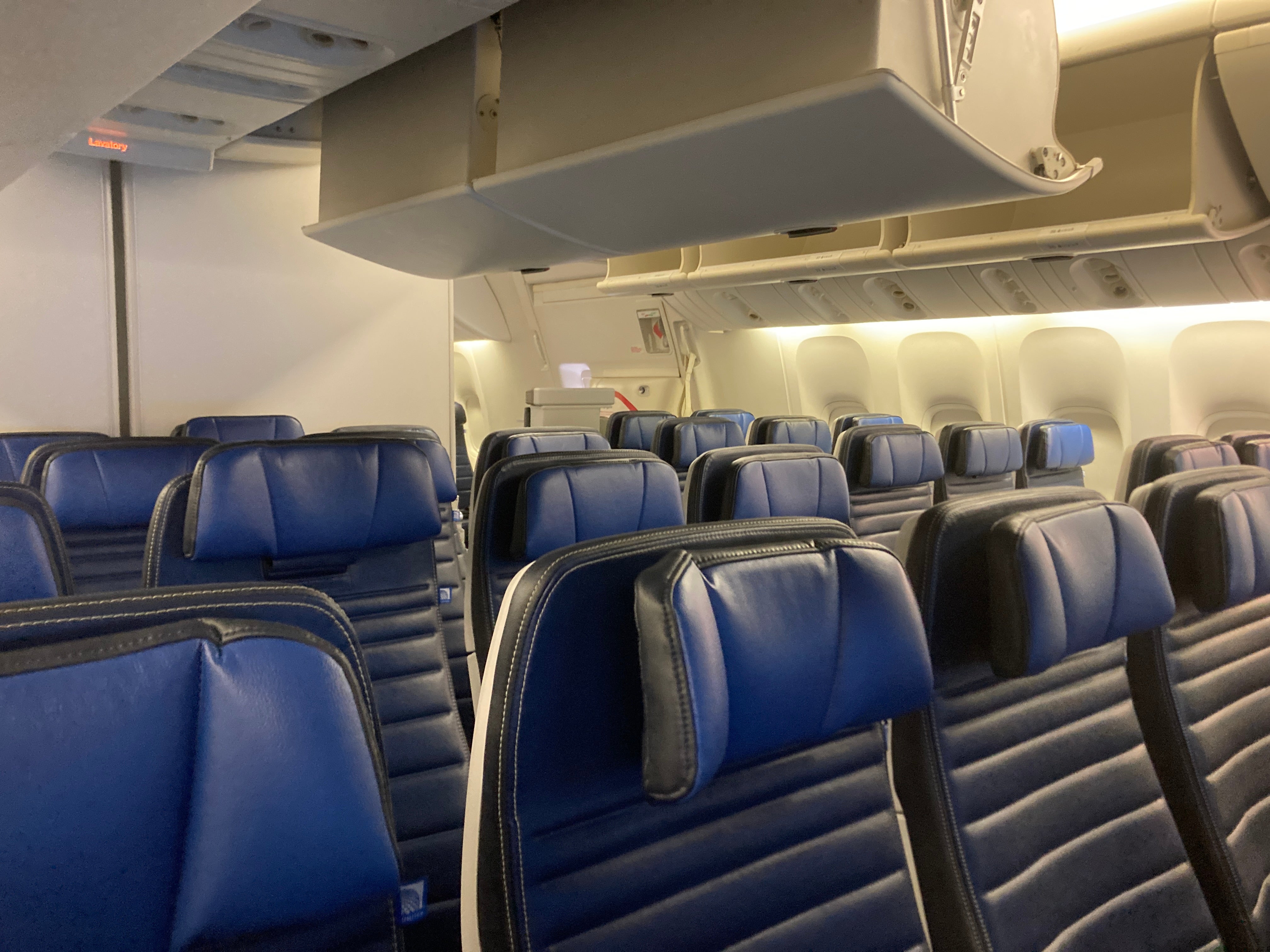
Economy Class:
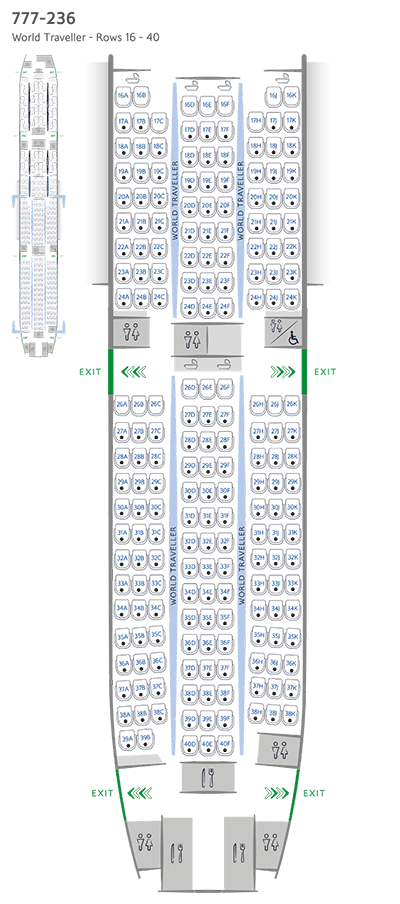
- 3-3-3 Configuration: This is perhaps the most common configuration in economy, offering a reasonable balance between seat width and aisle access.
- 3-4-3 Configuration: Found in some high-density layouts, this configuration sacrifices seat width and aisle access for maximizing passenger capacity. Avoid this if possible, especially on long flights.
-
Premium Economy Class: Usually configured in a 2-4-2 or 2-3-2 layout, premium economy offers wider seats, more legroom, and enhanced amenities compared to standard economy.
-
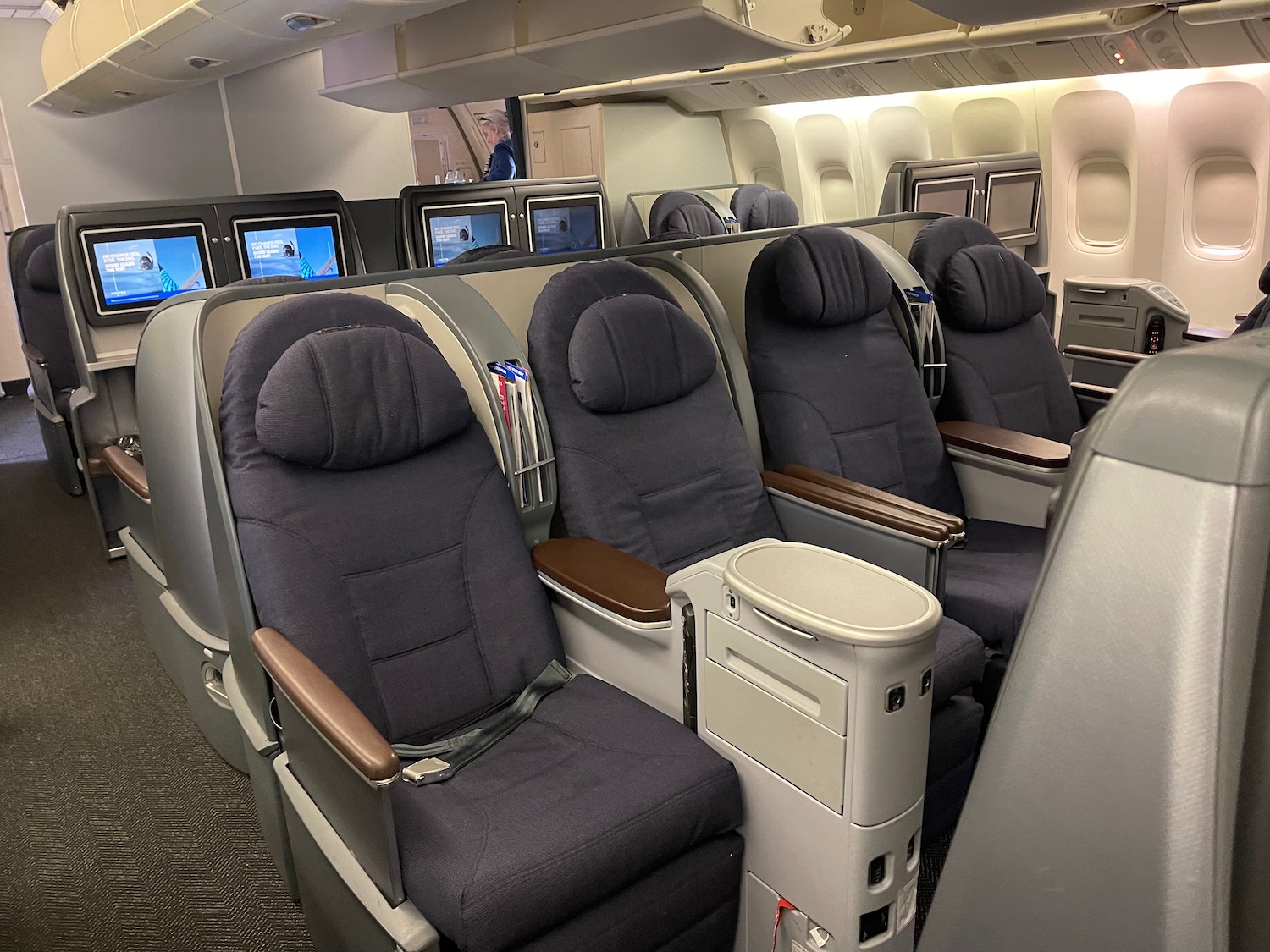
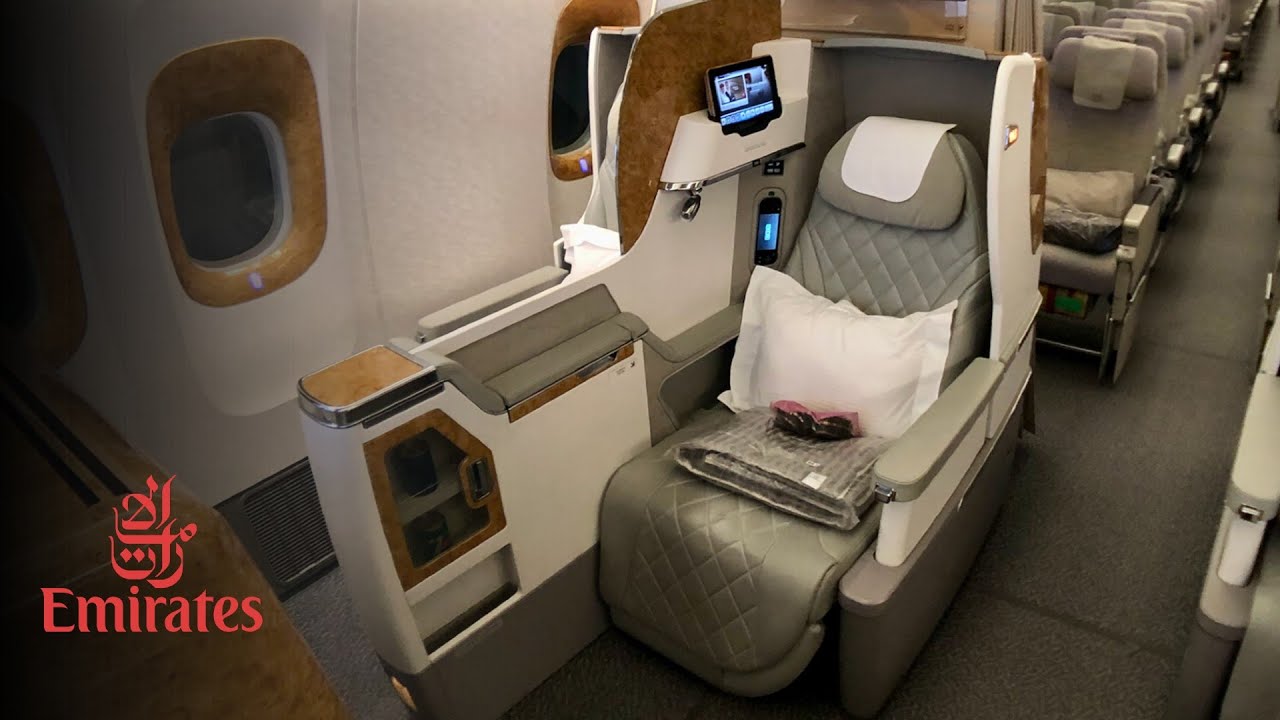
Business Class: Business class configurations vary greatly, ranging from angled flat beds to fully lie-flat suites. Common configurations include 2-2-2, 1-2-1 (reverse herringbone), and variations thereof.
-
First Class: The pinnacle of air travel, first class offers the most luxurious experience with spacious suites, personalized service, and gourmet dining. Configurations are typically 1-2-1.
Analyzing the Seat Map: Key Considerations for Choosing the Best Seat:
Once you’ve identified the aircraft type and seating configuration, you can delve into the seat map. Here are some key factors to consider when making your selection:
-
Seat Pitch and Width: These are crucial for legroom and overall comfort. Seat pitch refers to the distance between a point on one seat and the same point on the seat in front of it. Seat width measures the space between armrests. Look for seats with a generous pitch and width, especially in economy class. Websites like SeatGuru and ExpertFlyer often provide seat pitch and width information.
-
Aisle vs. Window Seat: This is a personal preference. Aisle seats offer easy access to the lavatory and overhead bins, while window seats provide a view and a wall to lean against for sleeping. However, window seat passengers may need to disturb their neighbors when they need to get up.
-
Proximity to Lavatories and Galleys: Seats near lavatories and galleys often experience higher foot traffic and noise levels. They can also be prone to unpleasant odors. Avoid these seats if you are a light sleeper or sensitive to noise.
-
Proximity to Exit Rows: Exit row seats offer significantly more legroom, but they also come with responsibilities. You may be required to assist in the event of an emergency. Furthermore, some exit row seats may not recline fully.
-
Seats Near Bulkheads: Bulkhead seats are located at the front of a cabin section and offer more legroom. However, they may not have under-seat storage during takeoff and landing, and you may have to store your personal belongings in the overhead bin.
-
Seats Near Bassinets: Seats designated for bassinets are typically located in bulkheads and offer more legroom. However, you may be seated next to a family with a baby, which could be disruptive.
-
Recline Restrictions: Some seats, particularly those in the last row of a cabin section or in front of exit rows, may have limited or no recline. This can be uncomfortable on long flights.
-
Misaligned Windows: Certain window seats may have misaligned windows, meaning the window is not directly adjacent to the seat. This can be annoying if you want to enjoy the view.
-
Infotainment Systems: Check the location of the in-flight entertainment (IFE) system. Some seats may have the IFE box located under the seat in front, reducing legroom.
Resources for Finding the Best Seats:
Several online resources can help you analyze seat maps and identify the best seats:
- SeatGuru: This website provides detailed seat maps for various aircraft types and airlines, along with reviews and ratings of individual seats.
- ExpertFlyer: This website offers advanced features, including seat alerts and seat map analysis tools.
- Airline Websites: Many airlines provide interactive seat maps on their websites, allowing you to view seat details and select your preferred seat.
- FlyerTalk Forums: These online forums are a valuable resource for airline and travel information, including seat recommendations and tips.
Tips for Securing Your Preferred Seat:
- Book Early: The earlier you book your flight, the greater the chance of securing your preferred seat.
- Check in Online Early: Online check-in typically opens 24 hours before departure. Take advantage of this to review the seat map and make any necessary changes.
- Contact the Airline Directly: If you have specific seating requests or concerns, contact the airline directly. They may be able to accommodate your needs.
- Consider Paying for Seat Selection: Some airlines charge a fee for advance seat selection, especially for preferred seats like exit rows or window seats.
- Be Polite and Persistent: When dealing with airline staff, be polite and persistent. Explain your seating preferences clearly and respectfully.
Conclusion:
Choosing the right seat on a Boeing 777 can significantly impact your flying experience. By understanding the different configurations, considering your personal preferences, and utilizing online resources, you can increase your chances of securing a comfortable and enjoyable flight. Take the time to research and select your seat carefully, and you’ll be well on your way to a more pleasant journey. Remember that while no seat is perfect, informed choices can minimize discomfort and maximize your overall flying experience. Happy travels!