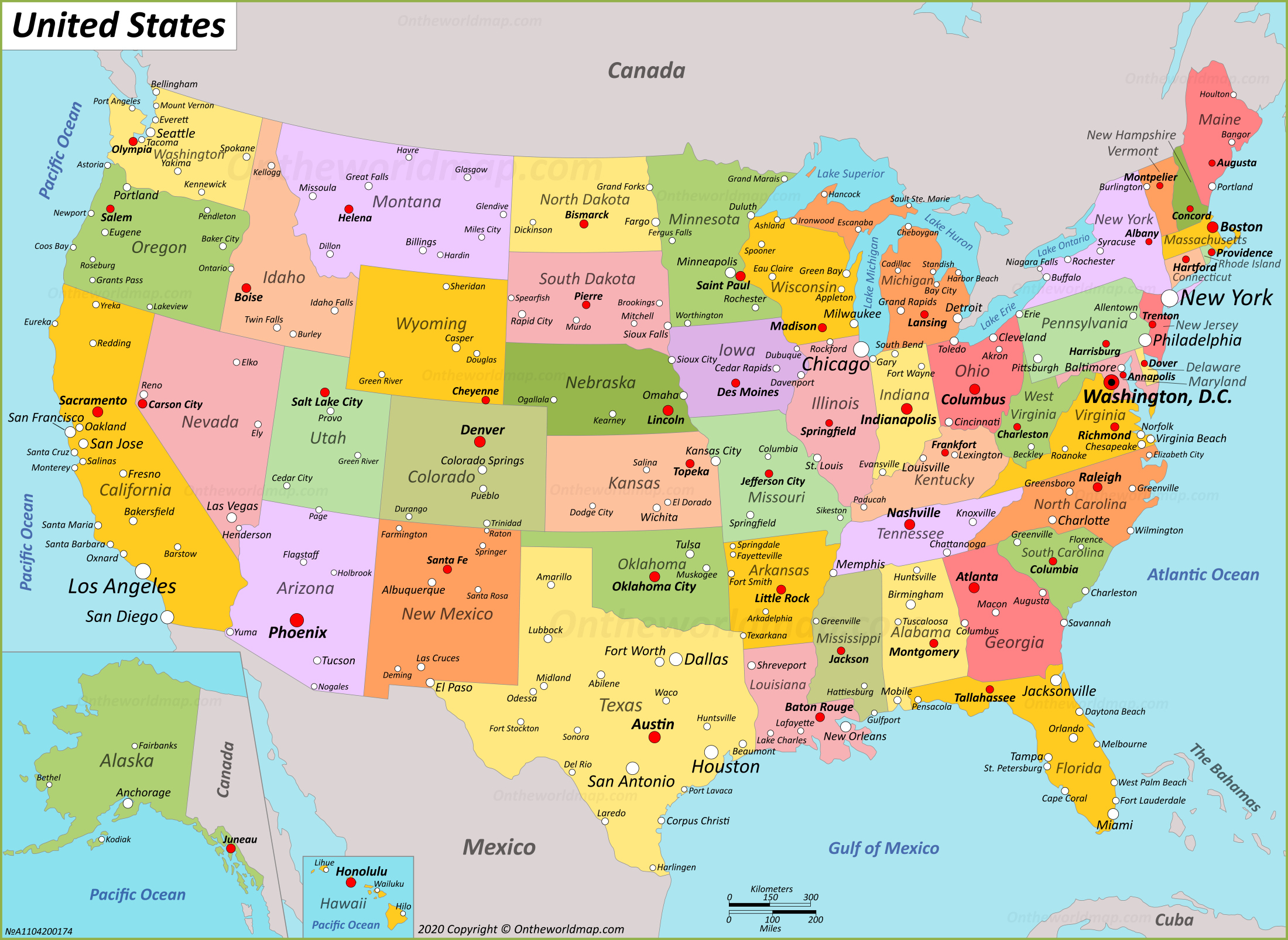
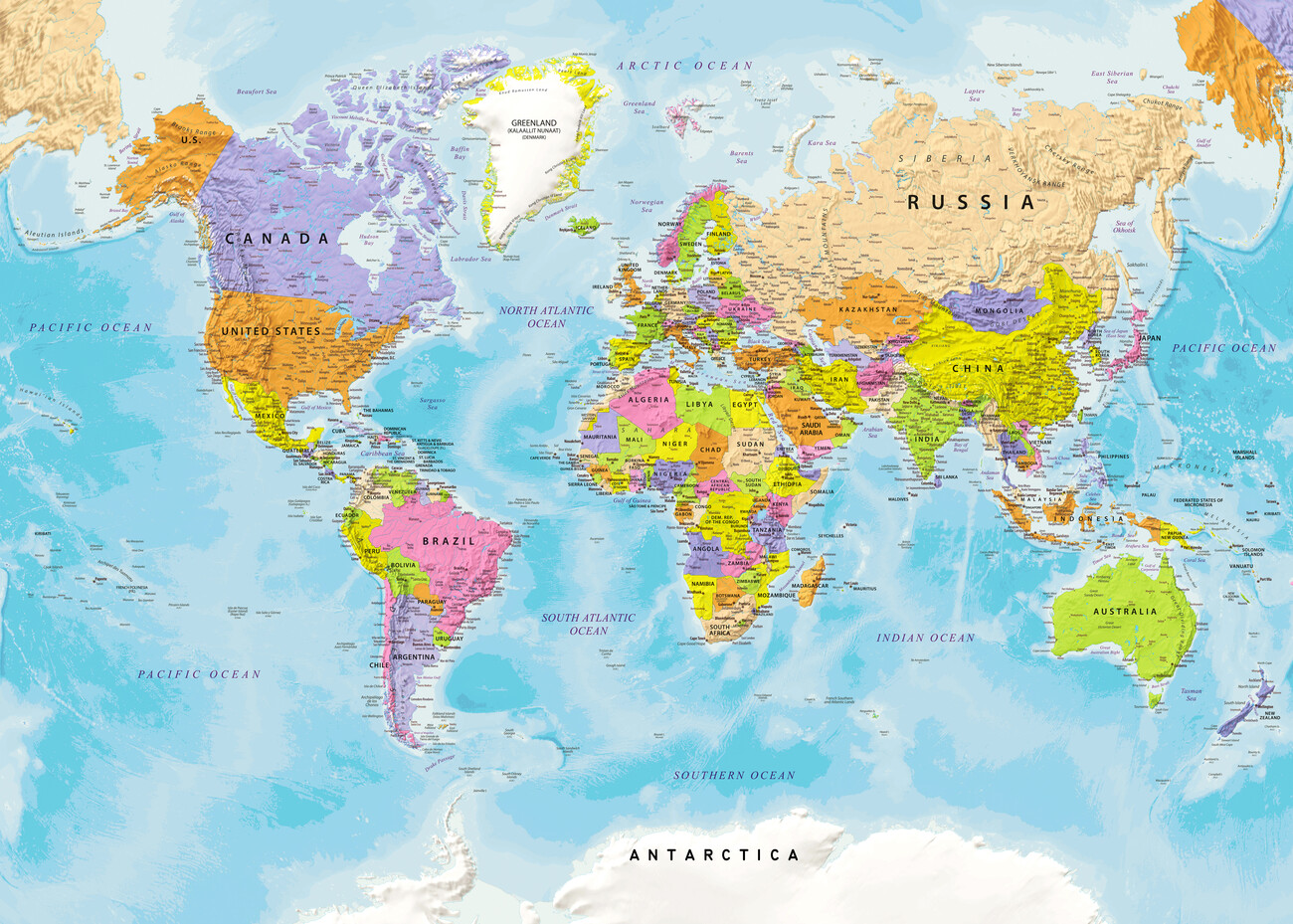
The United States, a land of breathtaking diversity, boasts not only towering mountains and lush forests, but also vast expanses of arid landscapes that whisper tales of resilience, adaptation, and stark beauty. These deserts, scattered across the western and southwestern regions, are far from barren wastelands. They are intricate ecosystems teeming with unique life, sculpted by relentless sun and scarcity of water. A closer look at the map of USA deserts reveals a fascinating tapestry of geographical features, climate variations, and biological wonders.
This article will delve into the major deserts of the United States, exploring their locations, characteristics, and the fascinating ecosystems they harbor. We’ll examine the forces that shaped these arid environments and the challenges faced by the flora and fauna that call them home.
Mapping the Arid Lands: A Geographical Overview
The deserts of the United States are primarily located in the arid and semi-arid regions west of the Rocky Mountains. While the term "desert" conjures images of endless sand dunes, the reality is far more diverse. These deserts are characterized by low precipitation, high evaporation rates, and extreme temperature fluctuations, but they exhibit a wide range of geological features, including mountains, valleys, plateaus, and even seasonal waterways.
Here’s a closer look at the major deserts, as seen on a map of USA deserts:
-
The Great Basin Desert: The largest desert in North America, the Great Basin Desert stretches across much of Nevada and parts of Utah, California, Idaho, Oregon, and Wyoming. This cold desert is defined by its unique geography: a vast network of interior drainage basins with no outlet to the ocean. Mountain ranges trap moisture, creating a rain shadow effect that contributes to its aridity. The Great Basin is characterized by sagebrush steppe, salt flats, and scattered pockets of higher-elevation forests.
-
The Mojave Desert: Situated primarily in southeastern California and extending into parts of Nevada, Arizona, and Utah, the Mojave Desert is renowned for its iconic Joshua trees and extreme temperatures. It is the driest desert in North America, receiving less than 5 inches of rain annually in some areas. The Mojave is a "rain shadow desert," shielded from Pacific storms by the Sierra Nevada mountain range. Death Valley, the hottest and driest place in North America, lies within the Mojave Desert.
-
The Sonoran Desert: Spanning across southern Arizona, southeastern California, and northwestern Mexico, the Sonoran Desert is perhaps the most biologically diverse desert in North America. Unlike the other deserts, the Sonoran receives two distinct rainy seasons, allowing for a rich array of plant and animal life. Towering saguaro cacti, paloverde trees, and a multitude of wildflowers create a vibrant landscape, especially after the monsoons.
-
The Chihuahuan Desert: Located primarily in western Texas, southern New Mexico, and northern Mexico, the Chihuahuan Desert is the largest desert in North America. It is a high-elevation desert characterized by grasslands, scrublands, and cacti. The Chihuahuan Desert is known for its diverse array of cacti species, including prickly pear, yucca, and agave. The Big Bend National Park in Texas protects a significant portion of this desert ecosystem.
The Forces Shaping the Arid Landscape: Climate and Geology
The formation of the USA’s deserts is a complex interplay of climate and geological factors. Several key processes contribute to the aridity of these regions:
-
Rain Shadow Effect: As mentioned earlier, the presence of mountain ranges plays a crucial role in creating rain shadow deserts. When moist air masses from the Pacific Ocean encounter the Sierra Nevada and other mountain ranges, they are forced to rise. As the air rises, it cools and condenses, releasing precipitation on the windward side of the mountains. By the time the air descends on the leeward side, it has lost most of its moisture, resulting in a dry climate. This is a primary factor in the aridity of the Great Basin and Mojave Deserts.
-
High-Pressure Systems: Persistent high-pressure systems over the western United States contribute to stable atmospheric conditions and suppress precipitation. These systems act as a barrier, preventing moist air masses from entering the region.
-
Continental Location: The distance from large bodies of water also contributes to the aridity of the deserts. Continental interiors tend to experience greater temperature extremes and lower precipitation compared to coastal regions.
-
Geological Activity: Volcanic activity and tectonic forces have shaped the landscape of many desert regions. Fault lines, mountain ranges, and volcanic formations influence drainage patterns and create diverse habitats.
Life in the Arid Zone: Adaptation and Resilience
Despite the harsh conditions, the deserts of the United States are teeming with life. Plants and animals have evolved remarkable adaptations to survive in these arid environments:
-
Plant Adaptations: Desert plants have developed a variety of strategies to conserve water. Some, like cacti, store water in their fleshy stems. Others have deep root systems that tap into underground water sources. Many plants have small leaves or spines to reduce water loss through transpiration. Ephemeral plants, also known as desert wildflowers, bloom briefly after rainfall and then quickly disappear, leaving behind seeds that can survive for years until the next rain.
-
Animal Adaptations: Desert animals have also evolved ingenious ways to cope with the heat and lack of water. Many animals are nocturnal, avoiding the hottest part of the day. Some animals, like kangaroo rats, can obtain all the water they need from their food. Others, like desert tortoises, can survive for long periods without drinking water, relying on stored water and metabolic processes. Camouflage is also a common adaptation, allowing animals to blend in with their surroundings and avoid predators.
Threats to the Desert Ecosystems: Challenges and Conservation
The deserts of the United States face a number of threats, including:
-
Climate Change: Rising temperatures, altered precipitation patterns, and increased frequency of extreme weather events are impacting desert ecosystems. Droughts are becoming more severe, and wildfires are becoming more frequent.
-
Habitat Loss: Urban development, agriculture, and mining are destroying and fragmenting desert habitats. The construction of roads and infrastructure can disrupt wildlife corridors and isolate populations.
-
Invasive Species: Non-native plants and animals can outcompete native species for resources and alter ecosystem dynamics. Invasive grasses, for example, can increase the risk of wildfires.
-
Overgrazing: Livestock grazing can degrade desert vegetation and soil, leading to erosion and loss of biodiversity.
-
Recreational Activities: Off-road vehicle use can damage fragile desert landscapes and disturb wildlife.
Conservation efforts are crucial to protect the unique biodiversity and ecological integrity of the USA’s deserts. These efforts include:
-
Protecting and Restoring Habitat: Establishing protected areas, such as national parks and wildlife refuges, is essential for conserving desert ecosystems. Habitat restoration projects can help to repair damaged areas and improve ecosystem function.
-
Managing Invasive Species: Controlling and eradicating invasive species is critical for protecting native plants and animals.
-
Promoting Sustainable Land Management Practices: Implementing sustainable grazing practices, reducing off-road vehicle impacts, and promoting responsible development can help to minimize human impacts on desert ecosystems.
-
Educating the Public: Raising awareness about the importance of desert ecosystems and the threats they face is essential for fostering stewardship and conservation.
Conclusion: Appreciating the Arid Wonders
The map of USA deserts reveals a diverse and fascinating landscape, shaped by climate, geology, and the remarkable adaptations of its inhabitants. These arid regions are not just barren wastelands, but complex ecosystems that play a vital role in the planet’s biodiversity. Understanding the challenges these ecosystems face and supporting conservation efforts is crucial for ensuring that future generations can appreciate the arid majesty of the United States. By learning about the intricate relationships within these desert ecosystems, we can foster a greater appreciation for the resilience of life and the importance of protecting these unique and valuable landscapes. The deserts offer a stark reminder of the power of nature and the importance of responsible stewardship of our planet’s resources.