The Boeing 777, affectionately known as the "Triple Seven," is a workhorse of the aviation industry, renowned for its reliability, range, and passenger capacity. This wide-body jet is a common sight on long-haul routes, connecting continents and carrying hundreds of passengers at a time. While the destination might be exciting, the journey itself can be considerably enhanced by understanding the nuances of the Boeing 777 seating map and choosing the best seat for your needs.
This comprehensive guide will delve into the different Boeing 777 configurations, explore the various cabin classes and their respective seating arrangements, highlight the best and worst seats on the aircraft, and provide practical tips for securing your preferred spot.
Understanding Boeing 777 Configurations
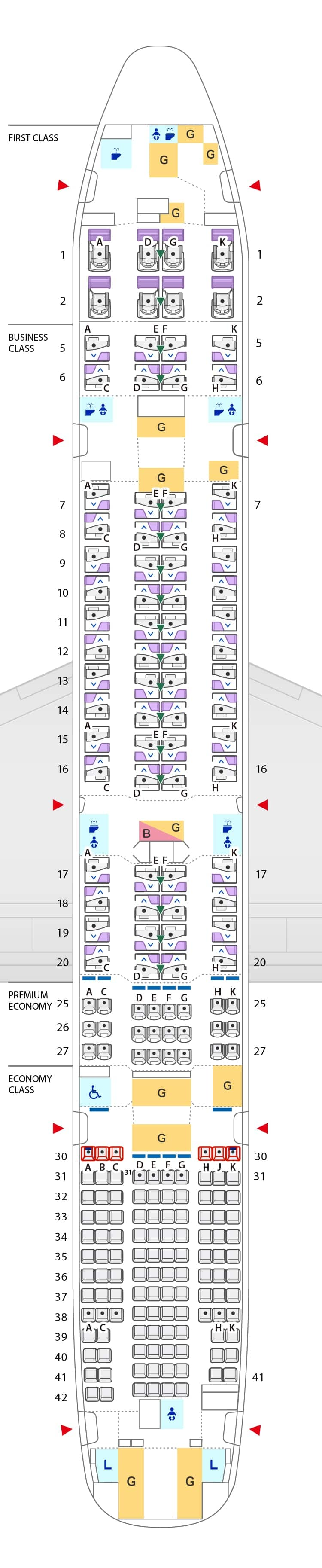
The Boeing 777 comes in several variants, primarily the 777-200, 777-200ER, 777-200LR, 777-300, and 777-300ER. The primary difference between these models lies in their range and fuselage length, impacting passenger capacity and consequently, the seating configuration. The 777-300ER is the most common variant in service today.
It’s crucial to understand that airlines have significant autonomy in configuring their aircraft interiors. This means that even within the same 777 model, different airlines can have drastically different seating arrangements. Factors influencing these configurations include:
- Airline’s Business Model: Low-cost carriers often prioritize maximizing passenger capacity, resulting in denser seating arrangements with less legroom. Full-service airlines typically offer more spacious seating and enhanced amenities.
- Route Network: Airlines operating long-haul routes may offer more premium seating options, such as Business Class and First Class, to cater to business travelers and leisure travelers seeking enhanced comfort.
- Aircraft Age: Older aircraft might have older seating configurations compared to newer planes that have been retrofitted with modern cabins.
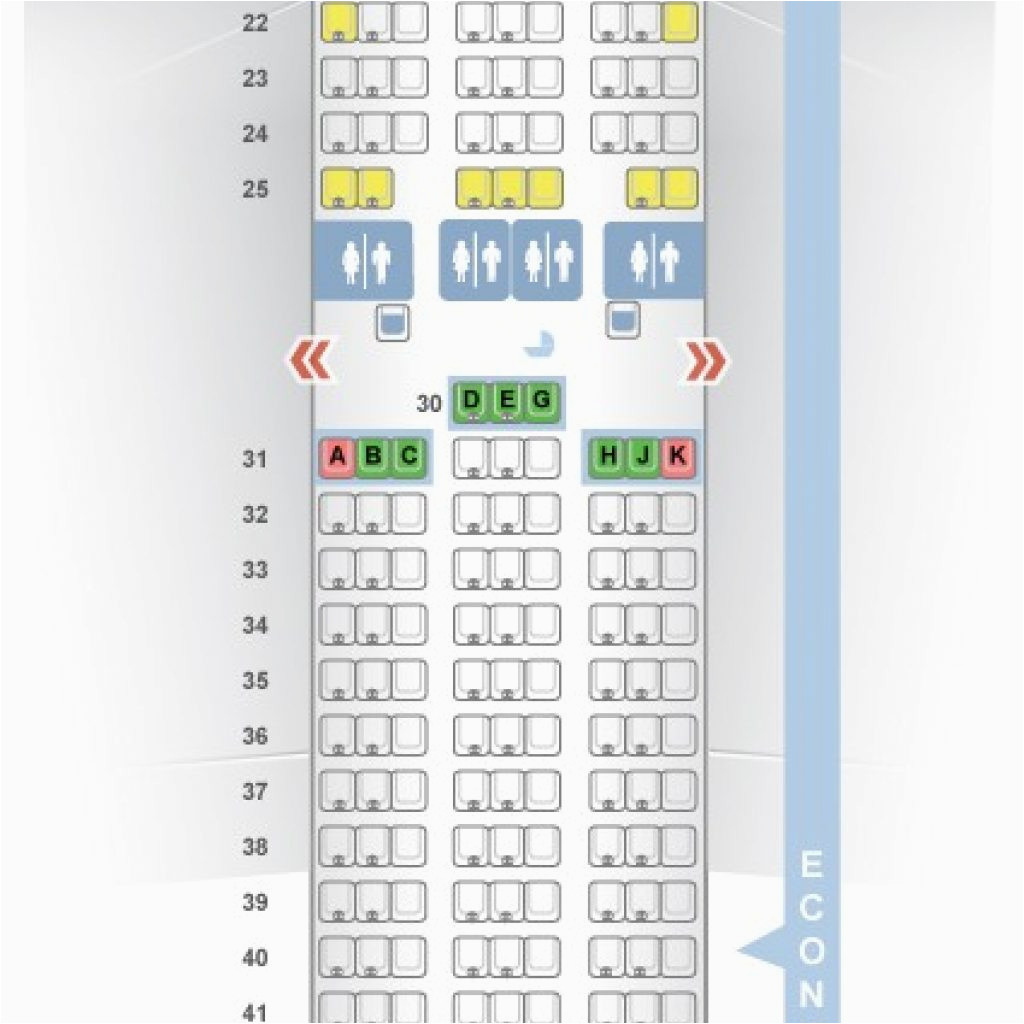
Before booking your flight, always check the airline’s website or use resources like SeatGuru or ExpertFlyer to access the specific seating map for your flight. These platforms often provide valuable insights into seat pitch, width, and user reviews, helping you make an informed decision.
Exploring Cabin Classes and Seating Arrangements
The Boeing 777 typically features three or four cabin classes: Economy Class, Premium Economy, Business Class, and First Class. Each class offers a distinct level of comfort and amenities, reflected in the seating arrangement and pricing.
1. Economy Class:
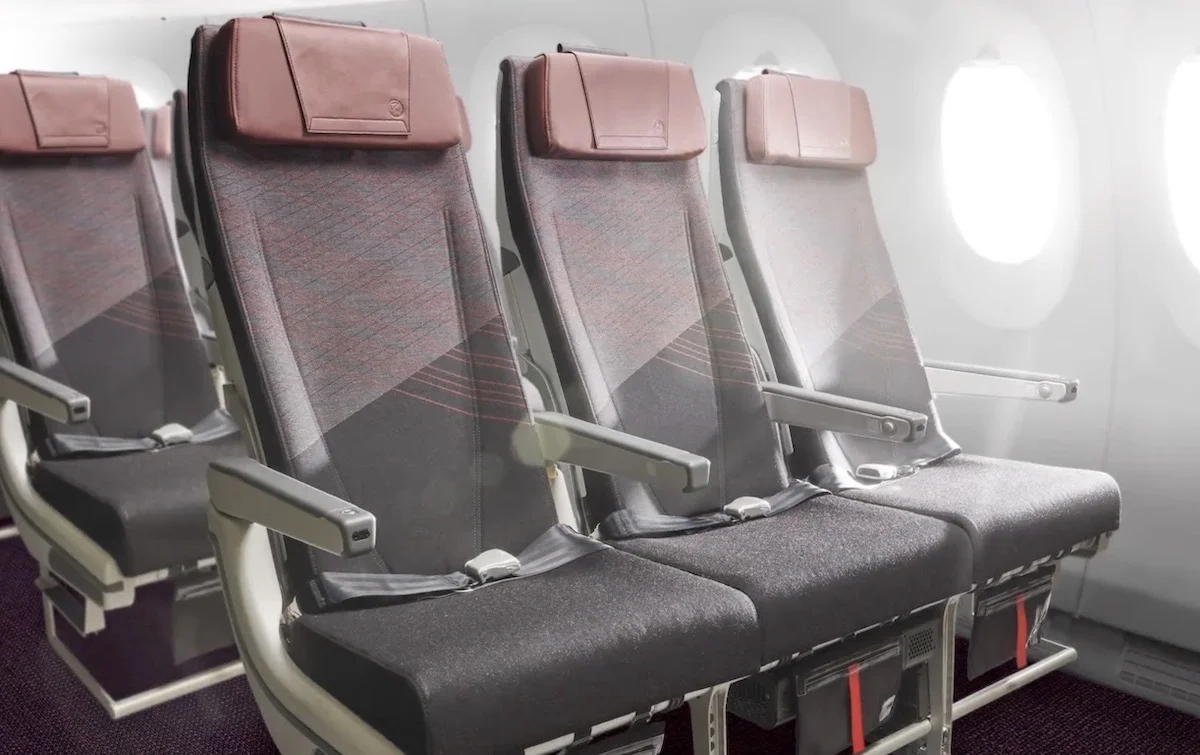
Economy Class is the most affordable option and, consequently, the most densely populated. The typical seating configuration in Economy Class on a Boeing 777 is 3-4-3 (three seats on each side and four in the center) or, less commonly, 3-3-3.
- Window Seats: Offer a view and the ability to lean against the wall for sleep, but require climbing over seatmates to access the aisle.
- Aisle Seats: Provide easy access to the aisle and restrooms, but are susceptible to being bumped by passing passengers and service carts.
- Middle Seats: Generally considered the least desirable, offering limited space and requiring negotiation with seatmates for armrest space.
2. Premium Economy:
Premium Economy is a relatively newer cabin class that bridges the gap between Economy and Business Class. It offers more legroom, wider seats, and enhanced amenities compared to Economy Class. The seating configuration in Premium Economy on a Boeing 777 is typically 2-4-2 or 2-3-2.
- Window Seats: Similar to Economy, they offer a view and the ability to lean against the wall, with the added benefit of more space.
- Aisle Seats: Provide easier access to the aisle compared to Economy, with less risk of being bumped due to the wider aisles.
- Middle Seats (in 2-4-2 configuration): Slightly more spacious than Economy middle seats, but still less desirable than window or aisle seats.
3. Business Class:
Business Class offers a significantly elevated travel experience, with lie-flat seats, enhanced dining options, and dedicated service. The seating configuration in Business Class on a Boeing 777 varies widely depending on the airline, but common layouts include:
- Herringbone: Seats are angled towards the aisle, offering privacy and direct aisle access for all passengers.
- Reverse Herringbone: Similar to herringbone, but the seats are angled in the opposite direction.
- Staggered: Seats are arranged in a staggered pattern, providing a mix of direct aisle access and increased privacy.
- 2-2-2: A more traditional layout with two seats on each side of the aisle, often found on older Boeing 777 configurations.
Business Class seats typically recline into fully flat beds, allowing for comfortable sleep on long-haul flights. They also feature ample storage space, personal entertainment systems, and power outlets.
4. First Class:
First Class is the most luxurious cabin class, offering unparalleled comfort, personalized service, and exclusive amenities. The seating configuration in First Class on a Boeing 777 is typically 1-2-1 or 1-1-1, ensuring maximum privacy and personal space.
First Class seats are essentially private suites, featuring lie-flat beds, ample storage, large entertainment screens, and personalized service from dedicated flight attendants. First Class passengers often have access to exclusive lounges and priority boarding.
Identifying the Best and Worst Seats on a Boeing 777
While personal preferences vary, certain seats are generally considered more desirable than others.
Best Seats:
- Bulkhead Seats (Economy and Premium Economy): Located at the front of a cabin section, these seats offer extra legroom due to the absence of a seat in front. However, they may have limited storage space during takeoff and landing.
- Exit Row Seats (Economy): Similar to bulkhead seats, exit row seats provide extra legroom. However, passengers in these seats may be required to assist in the event of an emergency. Also, some exit row seats may not recline.
- Aisle Seats near the front of a cabin (Economy and Premium Economy): Offer quicker access to the aisle and restrooms, minimizing disruption to seatmates.
- Business Class and First Class Seats with Direct Aisle Access: Provide maximum convenience and privacy.
- Seats away from galleys and restrooms: Minimize noise and foot traffic.
Worst Seats:
- Middle Seats (Economy): Offer limited space and require negotiation for armrest space.
- Seats near galleys and restrooms: Subject to noise, odors, and constant foot traffic.
- Seats with limited or no recline: Often found in the last row of the cabin or in front of exit rows.
- Seats near lavatories: Subject to unpleasant smells and the sounds of flushing.
- Seats under the wings: Can have obstructed views.
Tips for Securing Your Preferred Seat
- Book Early: The earlier you book your flight, the greater the chance of securing your preferred seat.
- Check the Seating Map: Use online resources like SeatGuru or ExpertFlyer to view the specific seating map for your flight and identify potentially problematic seats.
- Utilize Airline’s Online Check-In: Check in online as soon as possible, as this often allows you to select or change your seat assignment.
- Join the Airline’s Frequent Flyer Program: Loyalty program members often have access to preferred seating options and early seat selection privileges.
- Contact the Airline Directly: If you have specific seating requirements or concerns, contact the airline directly to request assistance.
- Be Polite and Persistent: A friendly and polite approach can often go a long way in securing your preferred seat.
Conclusion
Understanding the Boeing 777 seating map and the nuances of each cabin class is crucial for ensuring a comfortable and enjoyable flight. By researching the specific configuration of your aircraft, identifying the best and worst seats, and utilizing the tips provided, you can significantly increase your chances of securing a seat that meets your needs and preferences. Remember to book early, check the seating map, and be proactive in securing your preferred spot. With a little planning and preparation, you can transform your Boeing 777 flight from a potential ordeal into a relaxing and enjoyable experience.