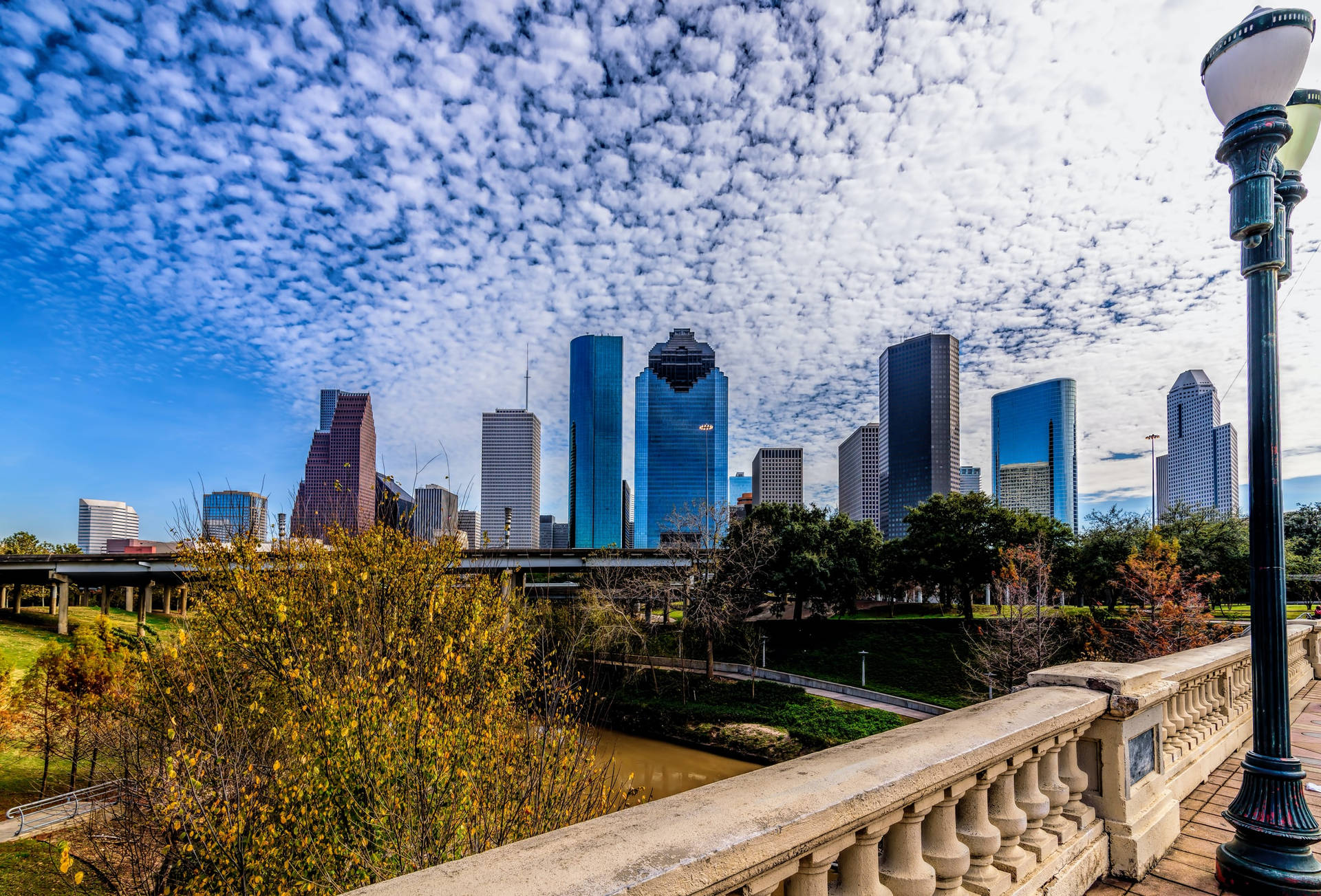
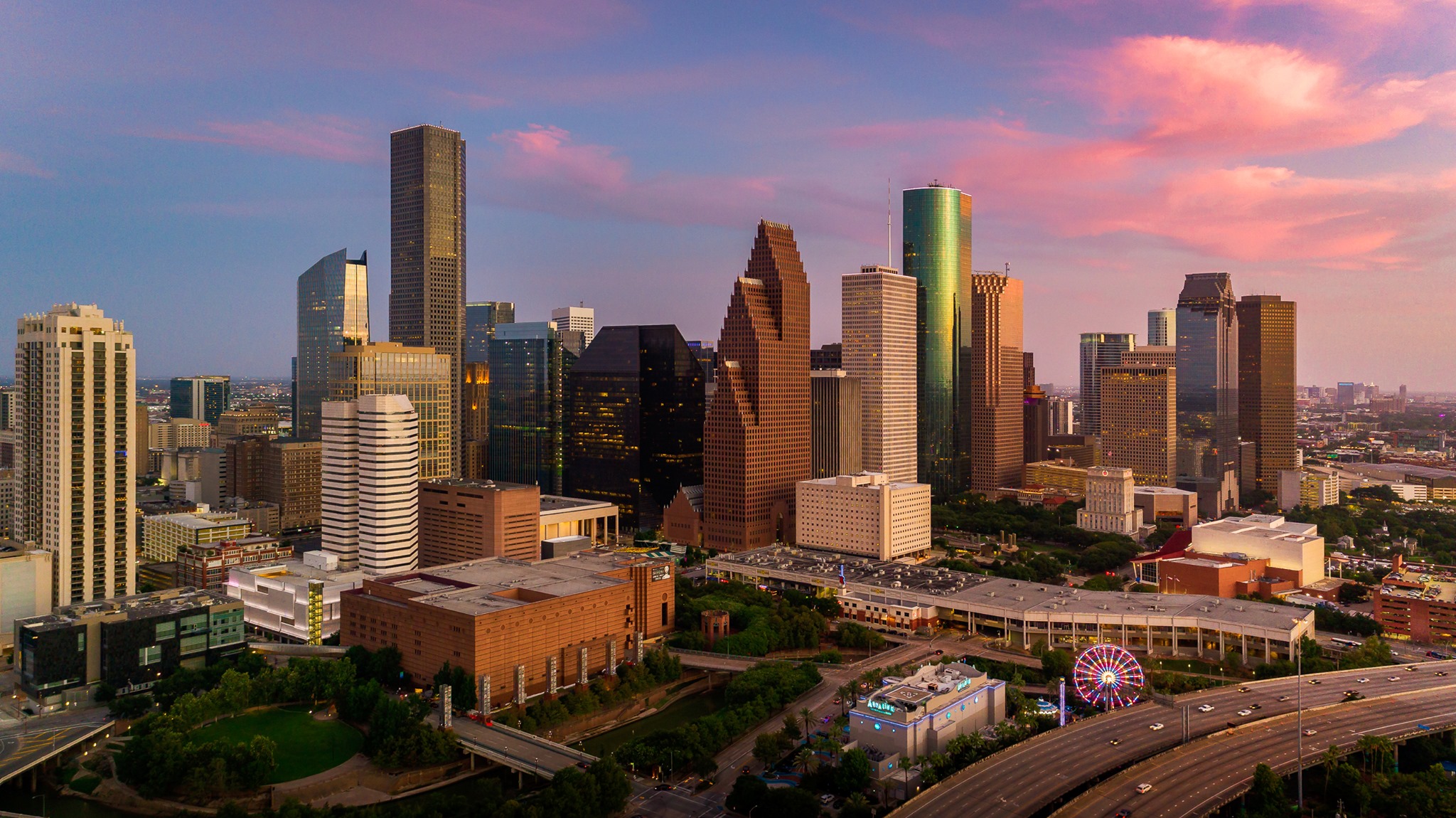
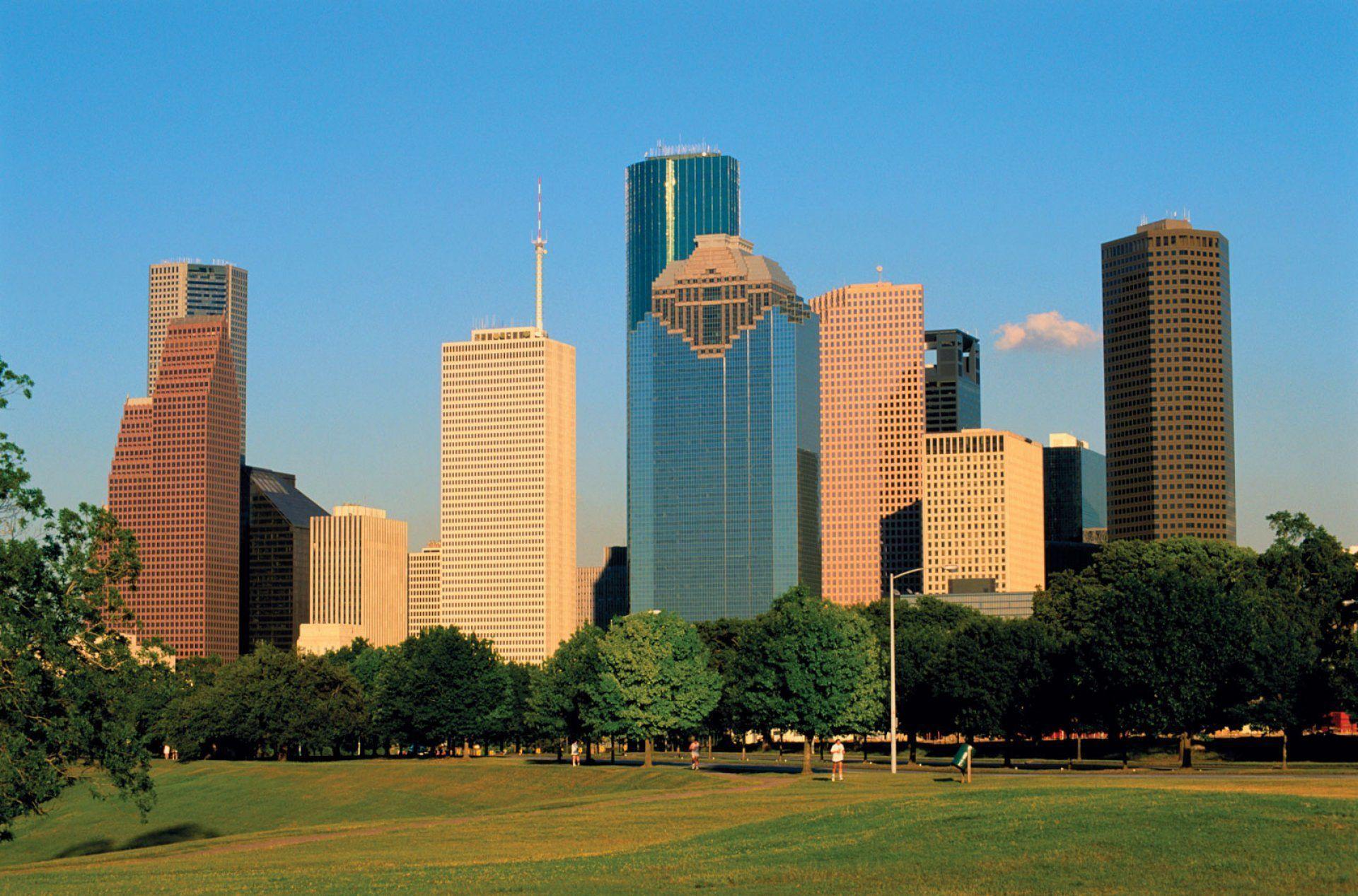
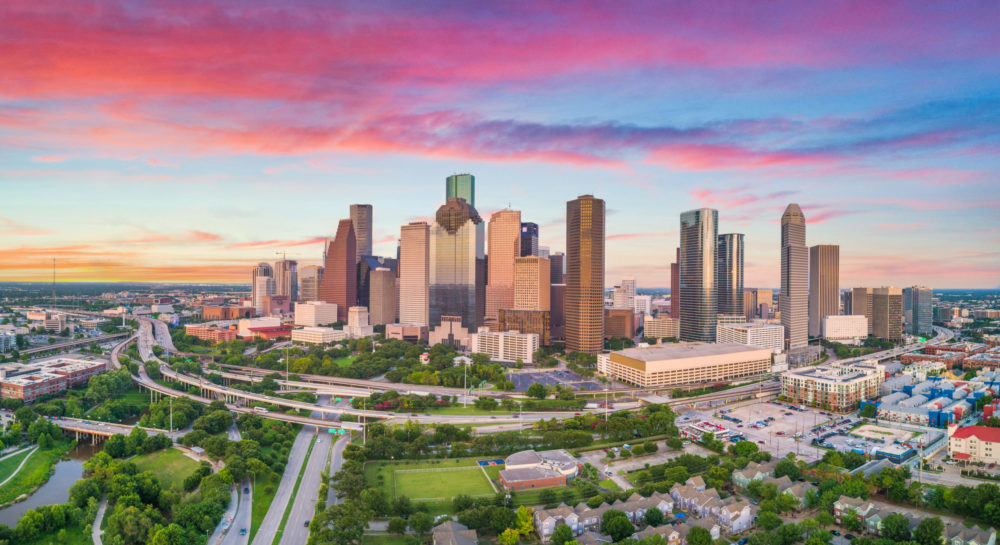
Houston, a sprawling metropolis in Southeast Texas, is a city of remarkable diversity, booming industries, and a vibrant cultural scene. Its immense size, however, can be daunting for newcomers and even long-time residents. Understanding the city’s geography is crucial for navigating its complex infrastructure, appreciating its varied neighborhoods, and exploring the broader region. This guide breaks down the Houston area by county, offering insights into the distinct characteristics, attractions, and economic drivers that define each.
While "Houston" is often used to refer to the entire metropolitan area, it’s essential to remember that the city primarily lies within Harris County. However, the Houston-The Woodlands-Sugar Land metropolitan statistical area (MSA) encompasses a total of nine counties: Harris, Fort Bend, Montgomery, Brazoria, Galveston, Waller, Chambers, Liberty, and Austin. Each county contributes uniquely to the overall identity of the region, and exploring them individually provides a richer understanding of Houston’s place within the broader Texan landscape.
1. Harris County: The Heart of Houston
As the most populous county in Texas and the third-most populous in the United States, Harris County is the undeniable heart of Houston. It’s home to the city’s downtown core, major business districts, the Texas Medical Center, the Port of Houston, and a significant portion of the area’s cultural attractions.
- Key Features:
- Downtown Houston: The central business district, home to major corporations, government buildings, theaters, and Minute Maid Park (home of the Houston Astros).
- The Texas Medical Center: The largest medical complex in the world, attracting patients and researchers from around the globe.
- The Port of Houston: A major international shipping hub, driving the region’s economy and connecting it to global markets.
- NASA’s Johnson Space Center: A crucial center for space exploration, inspiring generations of scientists and engineers.
- Diverse Neighborhoods: From the historic charm of the Heights to the upscale ambiance of River Oaks and the vibrant cultural tapestry of Montrose, Harris County offers a diverse range of residential options.
- Extensive Park System: From the sprawling Hermann Park to the scenic Buffalo Bayou Park, Harris County boasts a network of green spaces offering recreational opportunities.
- Economy: Dominated by energy, healthcare, aerospace, and logistics. The presence of major corporations like ExxonMobil, ConocoPhillips, and Phillips 66 contributes significantly to the county’s economic strength.
- Challenges: Traffic congestion, urban sprawl, and the potential for flooding are ongoing concerns that the county is actively addressing.
2. Fort Bend County: Suburbia with a Global Flair
Located southwest of Houston, Fort Bend County is one of the fastest-growing counties in the United States. Known for its excellent schools, master-planned communities, and diverse population, it’s a popular choice for families and professionals seeking a suburban lifestyle with access to Houston’s amenities.
- Key Features:
- Sugar Land: The county’s largest city and a major economic hub, home to numerous corporate headquarters and a thriving retail sector.
- Master-Planned Communities: Areas like Cinco Ranch, First Colony, and Telfair offer well-maintained neighborhoods, extensive amenities, and a strong sense of community.
- Diverse Population: Fort Bend County is one of the most ethnically diverse counties in the nation, with a significant Asian and Hispanic population. This diversity is reflected in the county’s cultural offerings and culinary scene.
- Quality Schools: The Fort Bend Independent School District (FBISD) is consistently ranked among the top school districts in the state, attracting families seeking a quality education for their children.
- Economy: Diversified economy with a strong presence in energy, technology, healthcare, and retail. The county benefits from its proximity to Houston and its ability to attract businesses seeking a lower cost of living.
- Challenges: Managing rapid growth, maintaining infrastructure, and addressing transportation needs are key challenges facing Fort Bend County.
3. Montgomery County: Woodlands Wonders and Lakeside Living
Located north of Houston, Montgomery County is known for its natural beauty, upscale communities, and thriving business environment. The Woodlands, a master-planned community within Montgomery County, is a major economic and cultural center.
- Key Features:
- The Woodlands: A renowned master-planned community offering a blend of residential, commercial, and recreational opportunities. Home to numerous corporate headquarters, shopping centers, and entertainment venues.
- Lake Conroe: A popular destination for boating, fishing, and other water sports. The lakefront communities offer a relaxed lifestyle and stunning views.
- Conroe: The county seat and a growing city with a vibrant downtown area and a strong sense of community.
- Extensive Green Spaces: Montgomery County is known for its natural beauty, with numerous parks, forests, and nature preserves.
- Economy: Strong economy driven by energy, healthcare, retail, and tourism. The Woodlands is a major employment center, attracting businesses and residents from around the region.
- Challenges: Managing growth, preserving natural resources, and addressing transportation needs are key challenges facing Montgomery County.
4. Brazoria County: Coastal Charm and Industrial Strength
Located south of Houston along the Gulf Coast, Brazoria County offers a mix of coastal charm, industrial strength, and agricultural heritage.
- Key Features:
- Freeport: A major port city and home to a significant petrochemical industry.
- Lake Jackson: A growing city known for its attractive residential areas and access to outdoor recreation.
- Coastal Attractions: Beautiful beaches, bird sanctuaries, and opportunities for fishing and boating along the Gulf Coast.
- Agricultural Heritage: Still retains a strong agricultural presence, with farms and ranches contributing to the local economy.
- Economy: Driven by the petrochemical industry, the Port of Freeport, and agriculture. The county benefits from its proximity to the Gulf Coast and its access to natural resources.
- Challenges: Managing the environmental impact of the petrochemical industry, protecting coastal resources, and diversifying the economy are key challenges facing Brazoria County.
5. Galveston County: Island Life and Maritime History
Located southeast of Houston on Galveston Island, Galveston County offers a unique blend of island life, maritime history, and tourism.
- Key Features:
- Galveston Island: A popular tourist destination known for its beaches, historic architecture, and amusement parks.
- The Strand Historic District: A beautifully preserved Victorian-era downtown area with shops, restaurants, and museums.
- Moody Gardens: A popular attraction featuring aquariums, rainforest exhibits, and an IMAX theater.
- Texas A&M University at Galveston: A maritime-focused university contributing to the county’s research and education sectors.
- Economy: Driven by tourism, maritime industries, and healthcare. The Port of Galveston is a major cruise ship terminal and a vital part of the region’s economy.
- Challenges: Protecting the island from hurricanes and flooding, managing tourism, and diversifying the economy are key challenges facing Galveston County.
6. Waller County: Rural Retreat and Growing Suburbia
Located northwest of Houston, Waller County offers a more rural and relaxed lifestyle compared to the city center. However, it is experiencing increasing suburban development as Houston expands outwards.
- Key Features:
- Prairie View A&M University: A historically black university with a strong academic reputation and a significant impact on the local community.
- Rural Landscapes: Rolling hills, farms, and ranches provide a scenic backdrop for outdoor activities.
- Small-Town Charm: Towns like Hempstead and Brookshire offer a slower pace of life and a strong sense of community.
- Economy: Primarily agricultural, with a growing presence in logistics and manufacturing. The county benefits from its proximity to Houston and its access to major transportation routes.
- Challenges: Managing growth, preserving rural character, and improving infrastructure are key challenges facing Waller County.
7. Chambers County: Coastal Heritage and Industrial Development
Located east of Houston along the coast, Chambers County is characterized by its coastal heritage, industrial development, and abundant natural resources.
- Key Features:
- Trinity Bay: Offers opportunities for fishing, boating, and birdwatching.
- Anahuac National Wildlife Refuge: A haven for migratory birds and other wildlife.
- Industrial Development: Home to several large industrial facilities, particularly in the petrochemical and energy sectors.
- Economy: Driven by the petrochemical industry, agriculture, and tourism. The county benefits from its access to the Gulf Coast and its abundant natural resources.
- Challenges: Balancing industrial development with environmental protection, managing coastal erosion, and improving infrastructure are key challenges facing Chambers County.
8. Liberty County: Timberlands and Outdoor Recreation
Located northeast of Houston, Liberty County is known for its vast timberlands, outdoor recreation opportunities, and rural character.
- Key Features:
- Sam Houston National Forest: Offers opportunities for hiking, camping, fishing, and hunting.
- Rural Landscapes: Rolling hills, forests, and rivers provide a scenic backdrop for outdoor activities.
- Small-Town Charm: Towns like Liberty and Dayton offer a slower pace of life and a strong sense of community.
- Economy: Primarily timber and agriculture, with a growing presence in tourism and recreation. The county benefits from its natural resources and its proximity to Houston.
- Challenges: Protecting natural resources, diversifying the economy, and improving infrastructure are key challenges facing Liberty County.
9. Austin County: Historic Charm and Agricultural Heritage
Located west of Houston, Austin County is known for its historic charm, agricultural heritage, and scenic landscapes.
- Key Features:
- Bellville: The county seat and a historic town with a charming downtown area.
- Blum Memorial Library: The oldest circulating library in Texas.
- Agricultural Landscapes: Rolling hills, farms, and ranches provide a scenic backdrop.
- Economy: Primarily agricultural, with a growing presence in tourism and recreation. The county benefits from its proximity to Houston and its scenic beauty.
- Challenges: Preserving historic character, diversifying the economy, and improving infrastructure are key challenges facing Austin County.
Understanding the diverse characteristics of these nine counties is crucial for truly understanding Houston and its surrounding region. Each county offers a unique perspective on the area’s economy, culture, and lifestyle. By exploring these individual counties, residents and visitors alike can gain a deeper appreciation for the complexity and richness of the Houston metropolitan area. From the bustling urban core of Harris County to the coastal charm of Galveston and the rural landscapes of Liberty County, the Houston region offers something for everyone. So, next time you’re planning an adventure, consider venturing beyond the city limits and exploring the diverse counties that make up this dynamic and ever-evolving region.


:max_bytes(150000):strip_icc()/houston-texas_HOUSTON1222-1aa2b78360be48e5ab3ee4a6fe3459b8.jpg "Navigating Houston and Its Environs: A County-by-County Guide")