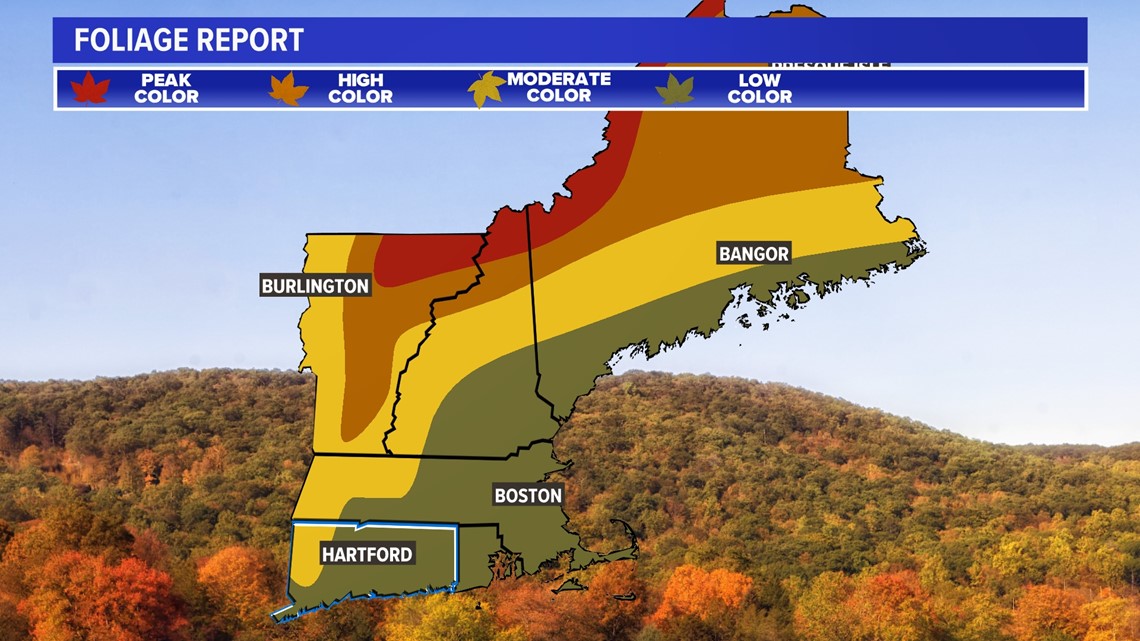
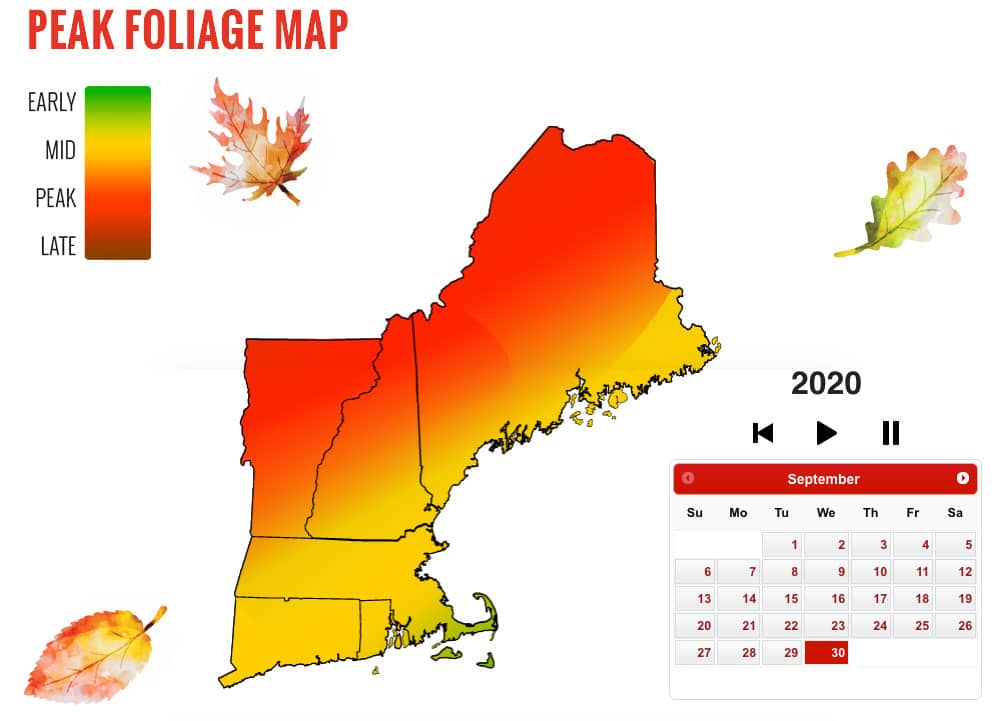
New England, the land of lobster rolls, charming villages, and, of course, breathtaking fall foliage, is a destination that ignites wanderlust in millions every autumn. The vibrant tapestry of reds, oranges, and yellows splashed across the landscape is a spectacle that draws leaf peepers from across the globe. But timing is everything, and navigating the ever-shifting landscape of fall colors requires planning and, crucially, the right foliage map.
This comprehensive guide will delve into the world of New England foliage maps, equipping you with the knowledge and resources to optimize your leaf-peeping adventure. We’ll explore the best map options available, discuss how to interpret them, and provide tips for predicting peak foliage in specific regions.
Why a Foliage Map is Your Secret Weapon
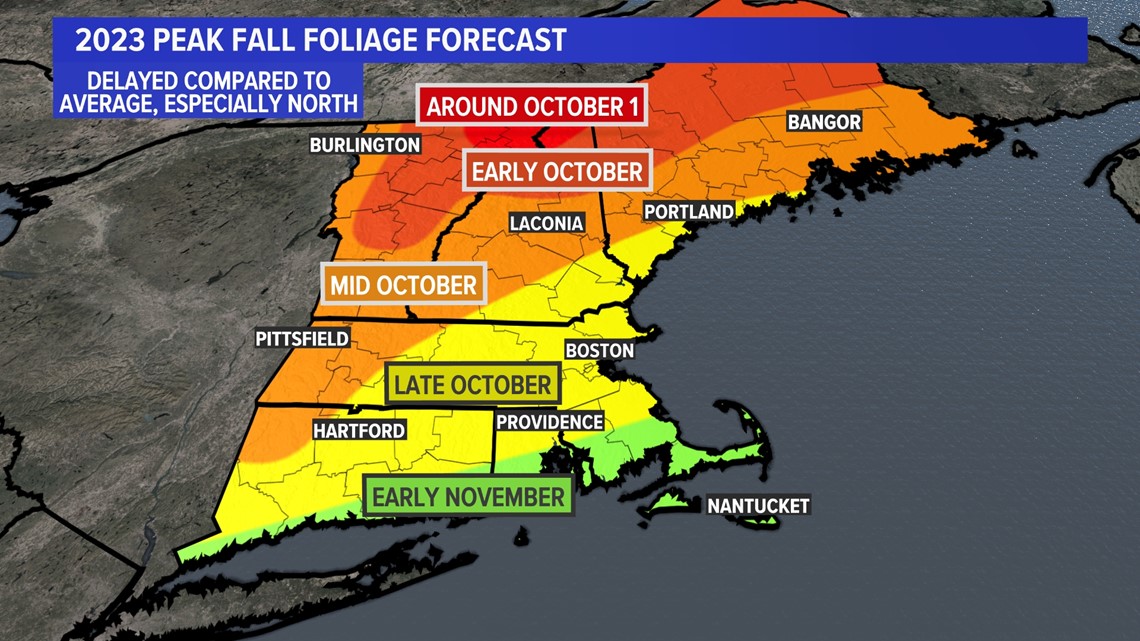
Imagine driving aimlessly through New England in October, hoping to stumble upon the most vibrant displays. While serendipity can be charming, a foliage map ensures you’re not just guessing. These maps provide a real-time or near real-time snapshot of foliage progression, allowing you to strategically plan your route and maximize your chances of witnessing the most stunning colors.
Here’s why a foliage map is an indispensable tool for any serious leaf peeper:
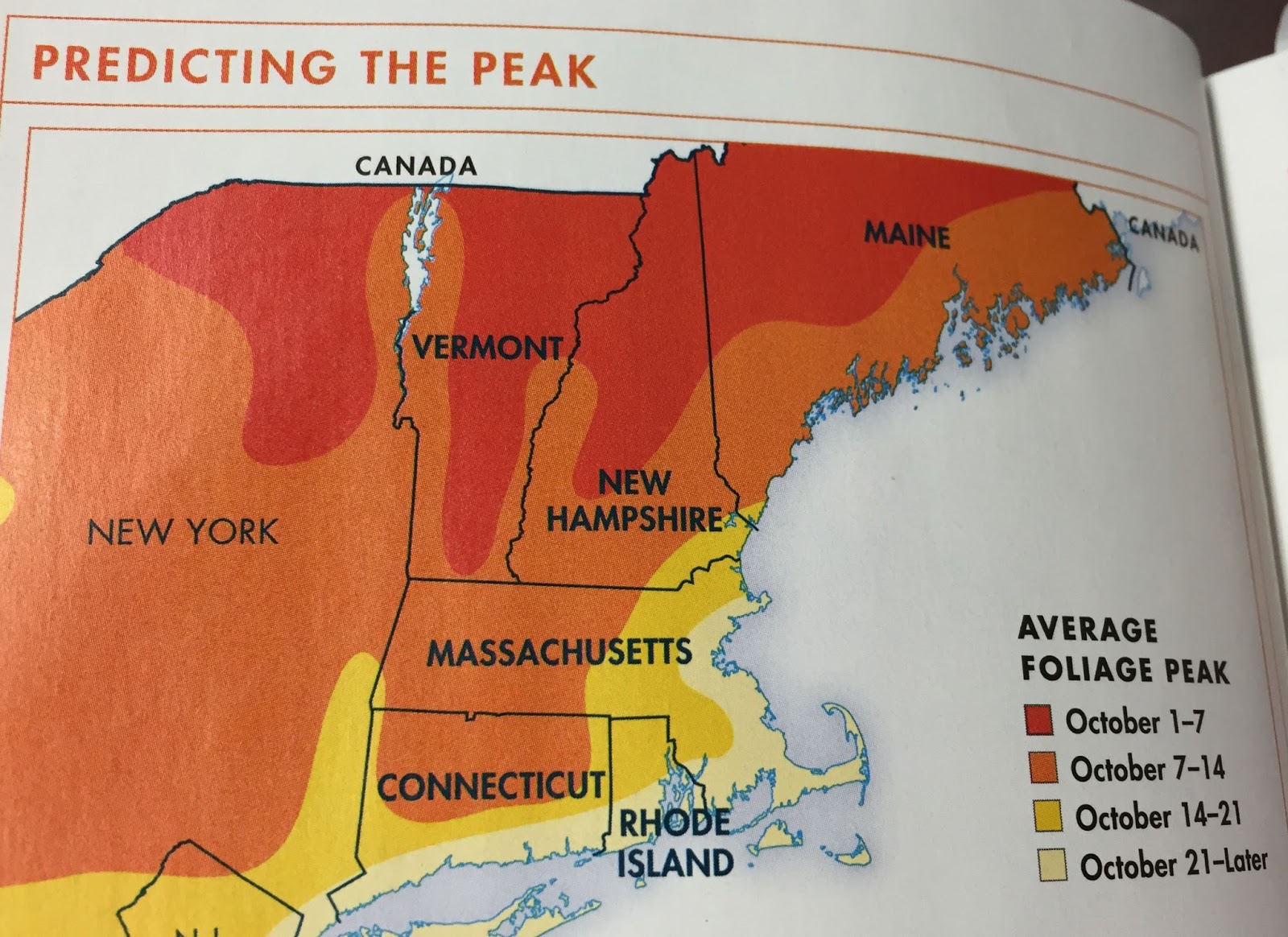
- Predictive Power: Many maps incorporate historical data and weather forecasts to predict when and where peak foliage will occur. This allows you to plan your trip weeks or even months in advance.
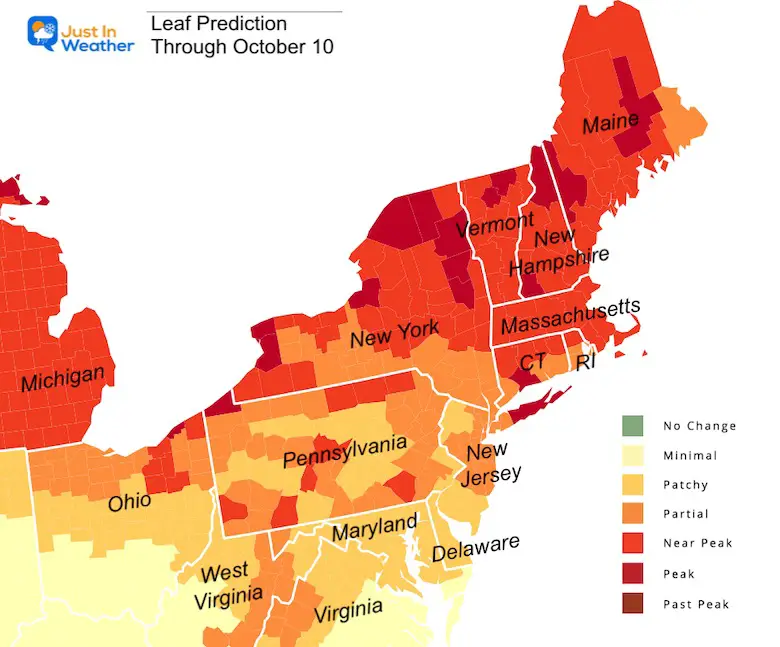
- Real-Time Updates: The best foliage maps are constantly updated with reports from on-the-ground observers, providing the most accurate and current information available.
- Regional Specificity: New England is a diverse region with varying microclimates. A foliage map allows you to focus on areas that are predicted to be at their peak during your travel dates.
- Efficient Planning: With a clear understanding of foliage progression, you can plan your route to hit multiple peak areas, maximizing your visual enjoyment.
- Flexibility: Weather patterns can dramatically impact foliage timing. A foliage map allows you to adapt your plans based on real-time conditions and adjust your route as needed.
Navigating the Foliage Map Landscape: The Best Options Available
Several excellent resources provide foliage maps for New England. Each has its strengths and weaknesses, so it’s worth exploring a few to find the one that best suits your needs.
-
Yankee Magazine’s Foliage Forecast: A long-standing and respected source, Yankee Magazine offers a highly regarded foliage forecast. Their predictions are based on years of experience and input from expert meteorologists and regional observers. They typically provide a weekly updated map highlighting the foliage status across New England, from "Minimal Color" to "Past Peak." While not strictly real-time, their weekly updates are reliable and informative.
- Pros: Trusted source, detailed regional forecasts, user-friendly interface.
- Cons: Not real-time, relies on weekly updates rather than constant reporting.
-
New England Today’s Foliage Tracker: Similar to Yankee Magazine, New England Today offers a comprehensive foliage tracker that combines expert analysis with regional reports. They provide a map with color-coded regions indicating foliage status, along with articles and photos showcasing the best fall destinations.
- Pros: Reputable source, visually appealing map, includes destination recommendations.
- Cons: Not real-time, relies on weekly updates.
-
State Tourism Websites: Each of the six New England states – Maine, Vermont, New Hampshire, Massachusetts, Rhode Island, and Connecticut – has its own official tourism website. These websites often feature foliage trackers and maps specific to their state, offering localized insights and regional event information. They frequently incorporate user-submitted photos and reports, providing a more granular view of foliage conditions.
- Pros: State-specific information, often includes user-generated content, links to local attractions and events.
- Cons: Requires navigating multiple websites for a comprehensive New England overview, may vary in quality and accuracy.
-
AccuWeather’s Foliage Forecast: While primarily known for weather forecasting, AccuWeather also provides a fall foliage forecast that incorporates weather patterns and historical data to predict peak foliage times. Their forecasts are generally broad and regional, rather than pinpointing specific locations.
- Pros: Integrates weather forecasts, provides a general overview of foliage progression.
- Cons: Less detailed than other sources, may not be as accurate for specific locations.
-
Crowdsourced Options (Social Media, Local Blogs): In addition to established sources, consider exploring crowdsourced options like social media groups and local blogs. These platforms often feature real-time updates and photos from individuals on the ground, providing a more immediate and localized view of foliage conditions. Search for hashtags like #NewEnglandFoliage, #FallFoliage, or #LeafPeeping to find relevant content. However, exercise caution and verify information from unverified sources.
- Pros: Real-time updates, localized information, user-generated content.
- Cons: Accuracy can vary, requires careful vetting of sources.
Decoding the Colors: Understanding Foliage Map Indicators
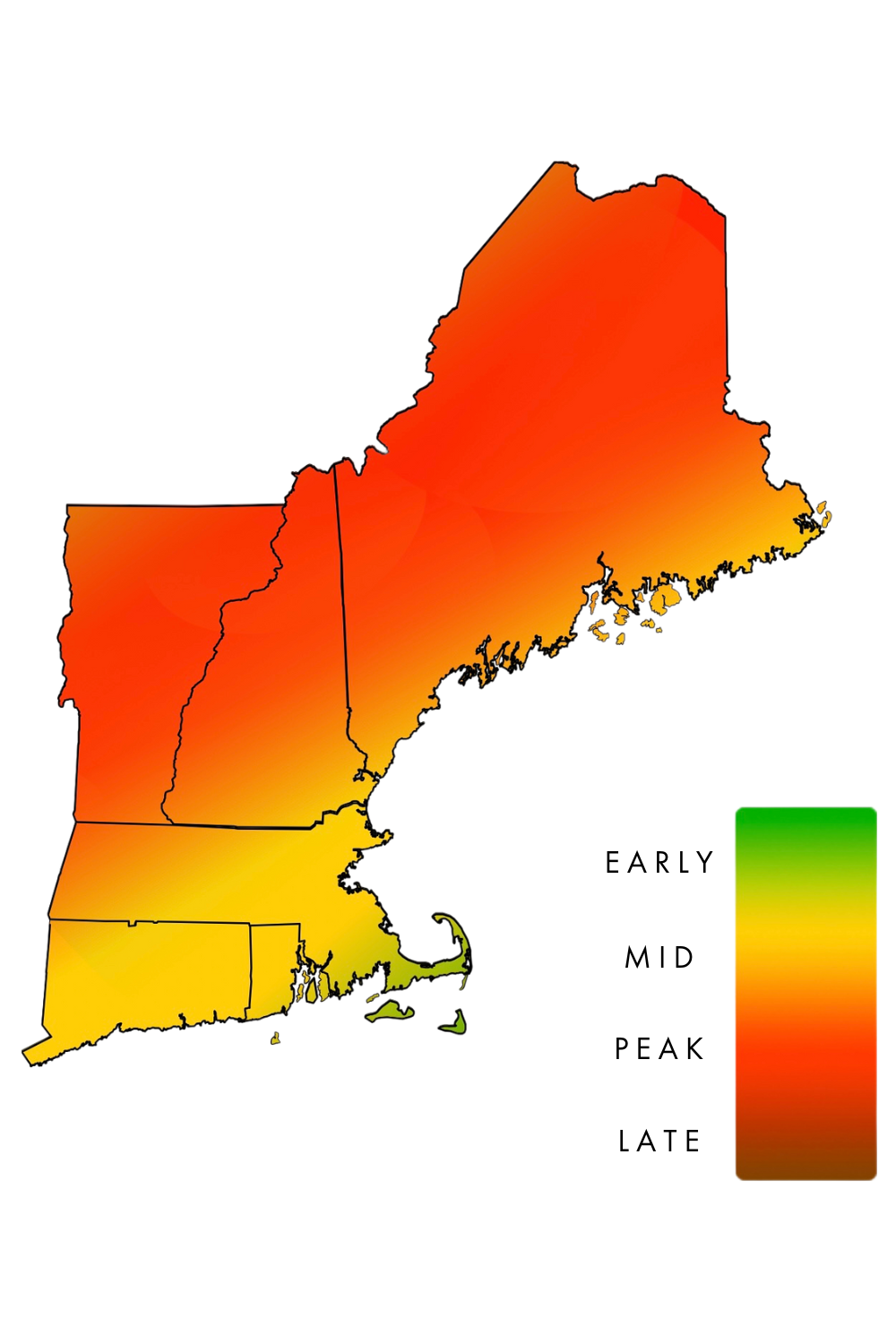
Most foliage maps use a color-coded system to represent the stage of foliage progression. Understanding these indicators is crucial for interpreting the map accurately. Common color codes include:
- Green: Minimal color change, leaves are still predominantly green.
- Yellow/Orange: Moderate color change, leaves are transitioning to yellows and oranges.
- Red: Peak color, leaves are displaying vibrant reds and oranges.
- Brown: Past peak, leaves are fading and falling.
Some maps may use more granular color codes to represent a wider range of foliage stages. Always refer to the map’s legend to understand the specific meanings of each color.
Beyond the Map: Factors Influencing Foliage and Peak Predictions
While foliage maps are invaluable tools, it’s important to remember that they are based on predictions and estimations. Several factors can influence foliage development and peak timing, making accurate predictions challenging. These factors include:
- Weather: Temperature, rainfall, and sunlight all play a crucial role in foliage development. Warm days and cool nights are ideal for vibrant colors, while excessive rain or drought can negatively impact foliage quality.
- Elevation: Higher elevations typically experience peak foliage earlier than lower elevations.
- Latitude: Foliage generally progresses from north to south.
- Tree Species: Different tree species change color at different times. Red maples are often the first to turn, followed by sugar maples and birches.
- Soil Conditions: Soil quality and nutrient levels can also affect foliage color.
Tips for Maximizing Your Leaf-Peeping Experience
Armed with a reliable foliage map and an understanding of the factors influencing foliage, here are some tips to help you plan the perfect New England leaf-peeping adventure:
- Start Planning Early: Book accommodations and transportation well in advance, especially if traveling during peak season.
- Be Flexible: Weather conditions can change rapidly, so be prepared to adjust your itinerary as needed.
- Explore Beyond the Highways: Get off the beaten path and explore smaller roads and scenic byways for the most stunning views.
- Consider Weekday Travel: Weekends tend to be more crowded, so consider traveling during the week for a more relaxed experience.
- Pack Layers: The weather in New England can be unpredictable, so pack layers to stay comfortable.
- Bring Your Camera: Capture the beauty of the fall foliage with your camera or smartphone.
- Respect the Environment: Leave no trace and avoid disturbing the natural environment.
- Support Local Businesses: Enjoy the local cuisine, shop at local stores, and support the communities you visit.
- Embrace the Unexpected: Be open to spontaneous adventures and unexpected discoveries.
Conclusion: The Hunt for the Perfect Foliage
Chasing the crimson tide of New England fall foliage is a rewarding experience that requires planning, patience, and a reliable foliage map. By utilizing the resources outlined in this guide, understanding the factors influencing foliage, and embracing a flexible approach, you can increase your chances of witnessing the most breathtaking displays that New England has to offer. So, grab your map, pack your bags, and get ready to embark on an unforgettable leaf-peeping adventure. The vibrant colors of autumn await!