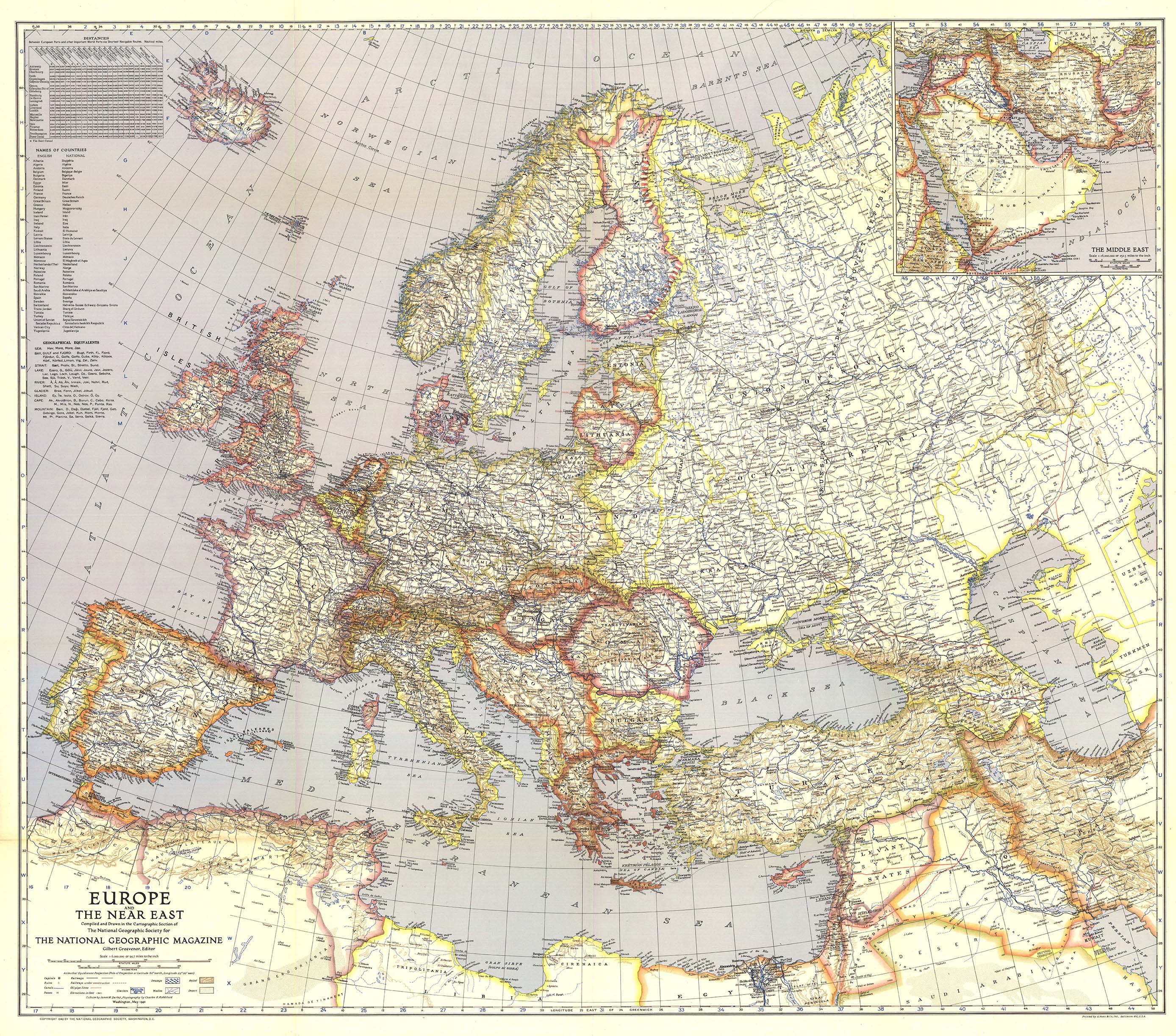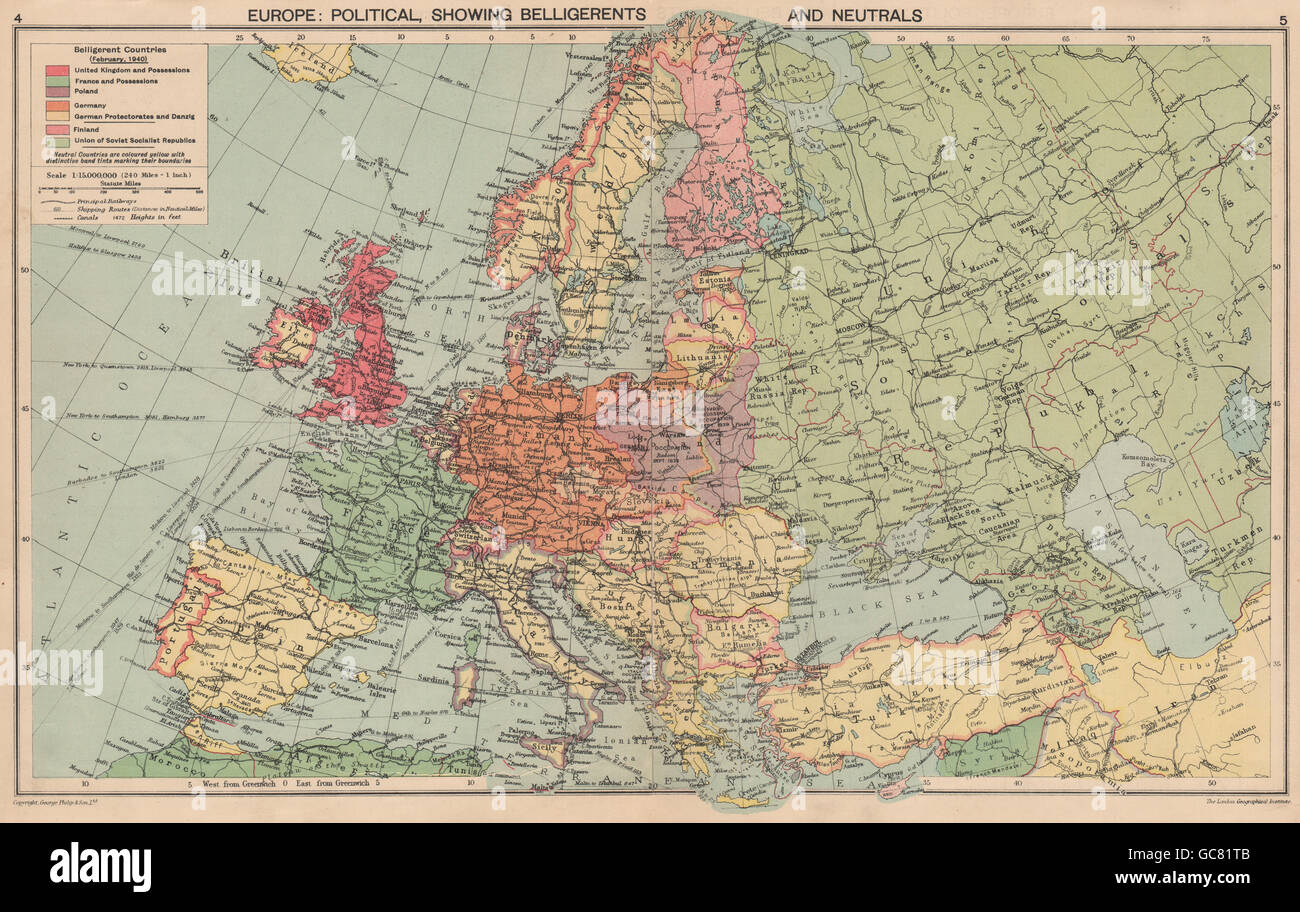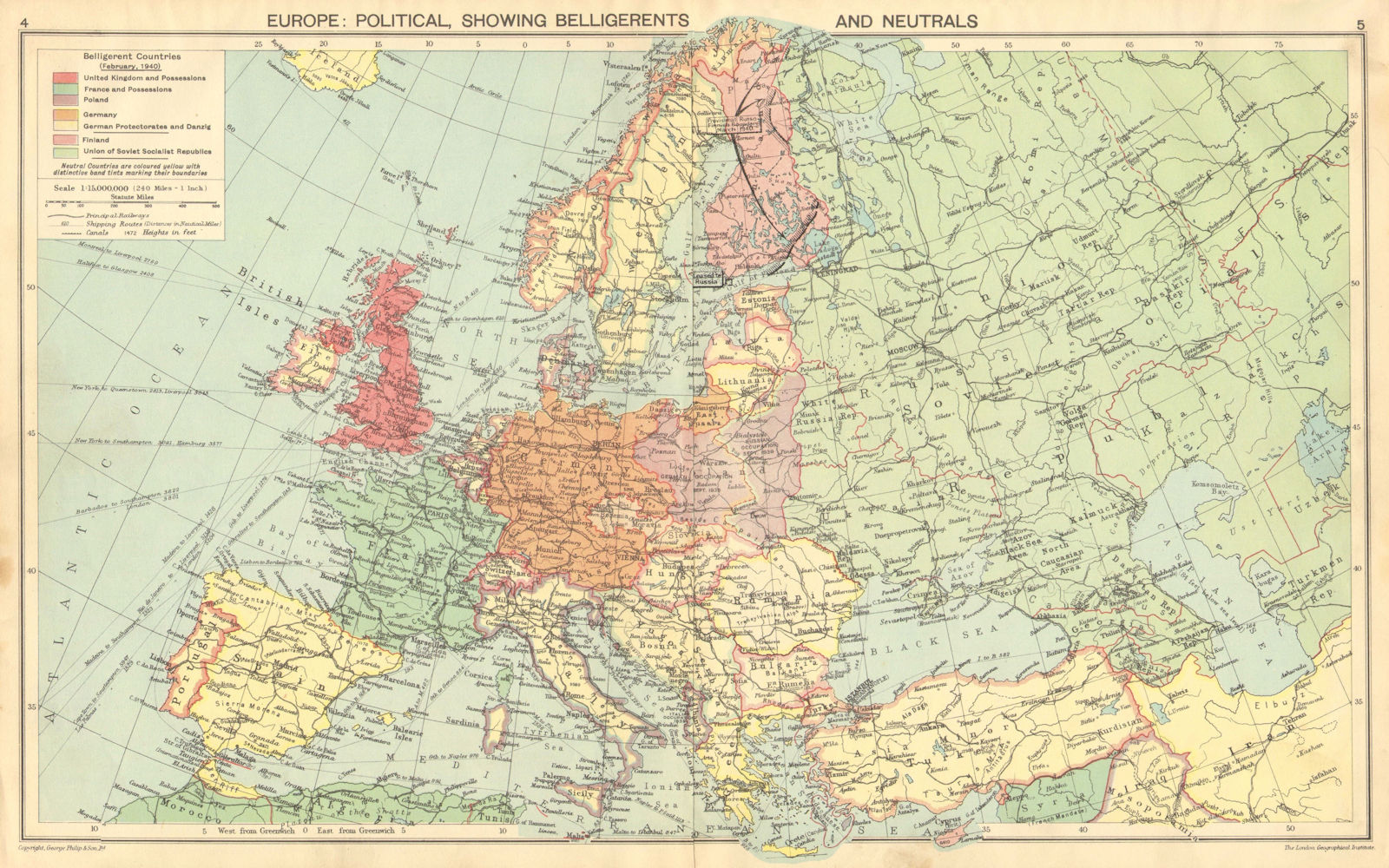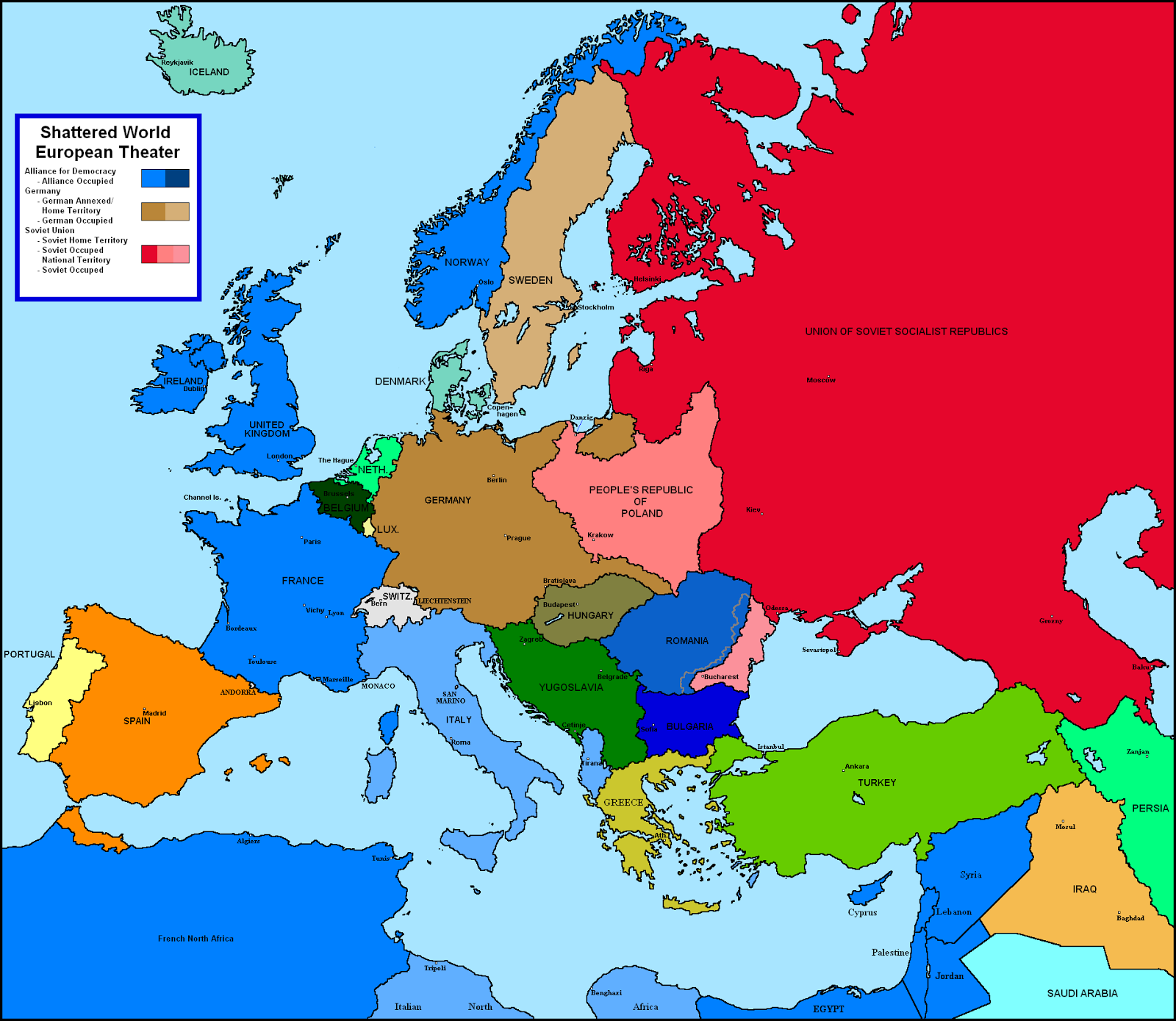
The year 1940 stands as a stark landmark in the 20th century, etched in the collective memory as a period of unparalleled upheaval and transformation. For Europe, it was a year defined by the relentless advance of Nazi Germany and the collapse of established powers. The 1940 map of Europe is not just a geographical representation; it’s a historical document, a chilling snapshot of a continent gripped by war, conquest, and the ominous shadow of the Third Reich. Analyzing this map offers a profound understanding of the geopolitical landscape, the strategies of warring factions, and the seeds of resistance that would eventually bloom into liberation.
The Dominating Swastika: German Expansion and Control
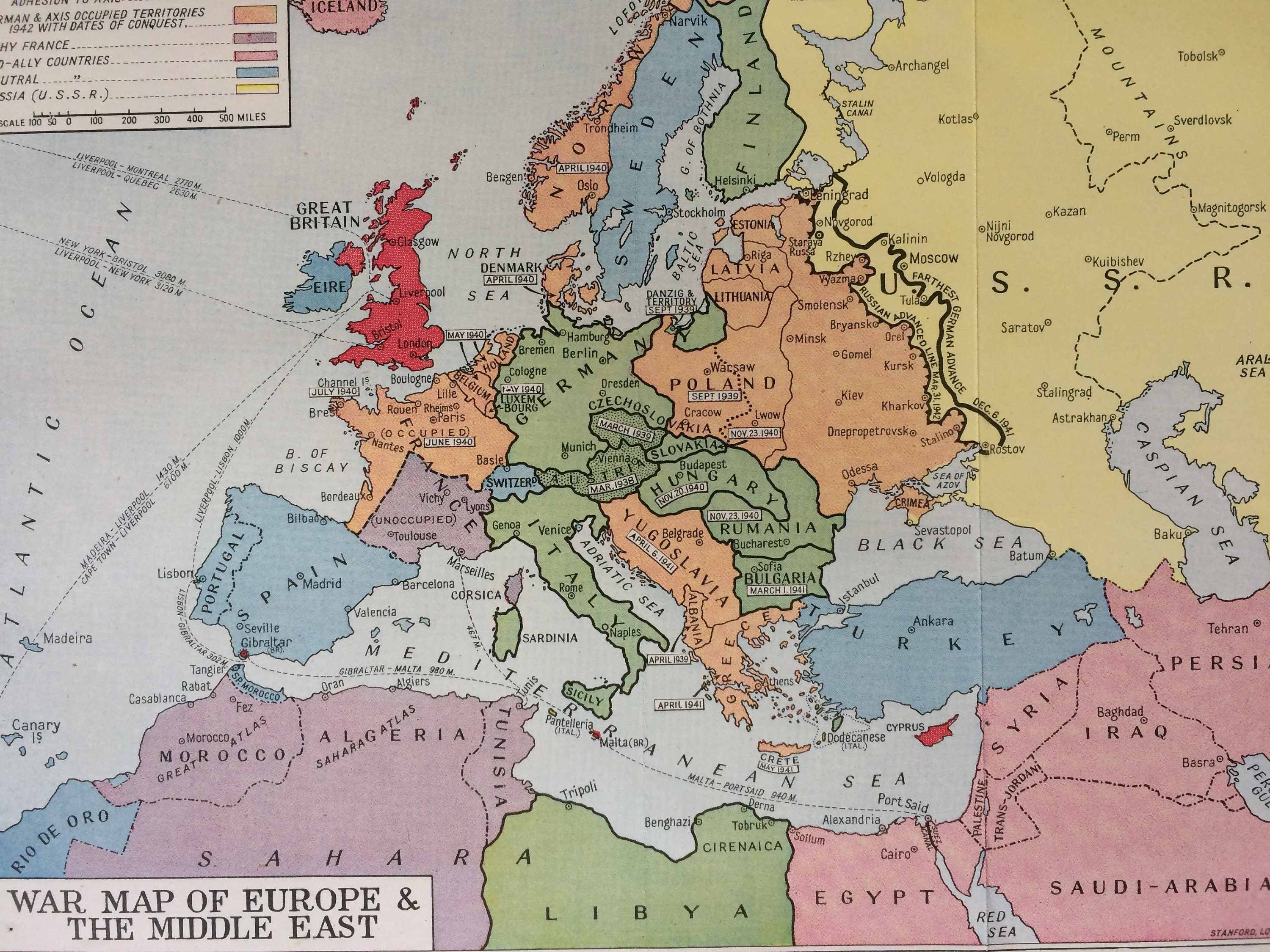
The most immediately striking feature of a 1940 map of Europe is the sheer expanse of territory under German control or influence. The seemingly unstoppable Blitzkrieg tactics employed by the Wehrmacht had proven devastatingly effective. Poland, overrun in September 1939, was partitioned between Germany and the Soviet Union, effectively erasing it from the map as an independent nation. The Generalgouvernement, a German-administered area in central Poland, became a brutal proving ground for Nazi racial ideology and a harbinger of the horrors to come.
The spring of 1940 witnessed a rapid succession of victories. Denmark and Norway fell swiftly under German occupation, securing vital strategic positions for controlling the North Sea and accessing crucial resources. The invasion of France and the Low Countries in May and June 1940 resulted in the stunning collapse of the French Third Republic, a nation once considered a European superpower. France was carved into two: occupied France, directly administered by the Germans, and Vichy France, a puppet state led by Marshal Pétain that collaborated with the Nazi regime.
The map reveals the intricate web of control established by Germany. Occupied territories were subjected to ruthless exploitation, their resources and industries plundered to fuel the German war machine. Resistance movements, often nascent and disorganized, began to emerge, representing the flickering flame of hope in the face of overwhelming oppression.
The Axis Alliance: A Growing Threat
Beyond the direct conquests, the 1940 map showcases the growing strength of the Axis powers. Italy, under Mussolini’s fascist regime, had joined the war in June 1940, hoping to capitalize on Germany’s victories and expand its own influence in the Mediterranean. While Italy’s military performance was often underwhelming, its alliance with Germany added another dimension to the conflict, opening new fronts and stretching Allied resources.
The map also hints at the future expansion of the Axis. Countries like Hungary, Romania, and Bulgaria, driven by territorial ambitions and ideological alignment, were increasingly drawn into Germany’s orbit. These nations would eventually join the Axis alliance, contributing troops and resources to the war effort and further consolidating German dominance.
Neutrality Under Pressure: The Precarious Position of Smaller States
The 1940 map also illustrates the precarious position of neutral countries. Switzerland, Sweden, Spain, and Portugal managed to maintain their neutrality, but their survival depended on delicate balancing acts and constant concessions. Surrounded by warring powers, they faced immense pressure to align themselves with one side or the other.
Sweden, while officially neutral, allowed German troops to transit through its territory and supplied Germany with vital iron ore. Switzerland, heavily fortified and fiercely independent, served as a crucial financial center and a haven for refugees. Spain, still recovering from its own civil war, remained neutral under Franco’s authoritarian regime, but its sympathies lay with the Axis powers. Portugal, under Salazar’s dictatorship, maintained a precarious neutrality, leveraging its colonial possessions and strategic location to navigate the treacherous waters of the war.
The presence of these neutral nations on the 1940 map serves as a reminder that even in the midst of total war, some countries managed to carve out a space for themselves, albeit under constant duress.
The Eastern Front: An Ominous Quiet
While the focus in 1940 was on Western Europe, the Eastern Front remained relatively quiet. The Molotov-Ribbentrop Pact, signed in 1939, had carved Eastern Europe into spheres of influence between Germany and the Soviet Union. The map shows the Soviet annexation of the Baltic states (Estonia, Latvia, and Lithuania) and parts of Romania, solidifying its control over the region.
However, the relative calm on the Eastern Front was deceptive. Beneath the surface, tensions were simmering between Germany and the Soviet Union. Hitler had long harbored ambitions to conquer Soviet territory and destroy Bolshevism. The 1940 map, therefore, represents a temporary truce, a calm before the storm that would erupt with the German invasion of the Soviet Union in June 1941, transforming the war into a truly global conflict.
The United Kingdom: Standing Alone
Amidst the continental collapse, the United Kingdom stood as a defiant bastion of resistance. After the fall of France, Britain found itself isolated, facing the full might of the German war machine. The Battle of Britain, fought in the skies above England during the summer and autumn of 1940, was a crucial turning point. The Royal Air Force (RAF) successfully defended British airspace, preventing a German invasion and demonstrating that Hitler’s ambitions could be thwarted.
The 1940 map highlights the strategic importance of the British Isles. As an island nation, Britain was protected by the English Channel, making a seaborne invasion a risky proposition. The Royal Navy controlled the seas, disrupting German supply lines and maintaining vital trade routes. Britain also served as a base for Allied forces and a symbol of hope for occupied Europe.
Beyond the Borders: The Seeds of Resistance
While the 1940 map primarily focuses on territorial control, it also hints at the growing resistance movements that were beginning to emerge across occupied Europe. In Poland, France, Norway, and other countries, individuals and groups were organizing to sabotage German operations, gather intelligence, and assist Allied soldiers. These resistance movements, though initially small and vulnerable, played a crucial role in undermining German authority and paving the way for eventual liberation.
The map cannot fully capture the human cost of the war. The millions of refugees displaced by the conflict, the systematic persecution of Jews and other minorities, and the widespread suffering endured by occupied populations are all absent from its surface. However, the map serves as a stark reminder of the stakes involved and the courage of those who resisted tyranny.
Conclusion: A Legacy of War and Transformation
The 1940 map of Europe is a powerful and evocative document that encapsulates a pivotal moment in history. It depicts a continent under the shadow of Nazi Germany, a landscape of conquest, occupation, and resistance. Analyzing this map provides valuable insights into the geopolitical strategies of the warring factions, the human cost of the conflict, and the seeds of hope that would eventually blossom into liberation. It serves as a stark reminder of the dangers of unchecked aggression and the importance of defending freedom and democracy. The map of 1940 is not just a historical artifact; it’s a lesson etched in geography, a warning and a testament to the resilience of the human spirit. It reminds us that even in the darkest of times, the fight for a better future can never be extinguished. It stands as a powerful reminder of the fragility of peace and the enduring importance of vigilance in the face of tyranny. The frozen moment captured on this map ultimately melted, giving way to a new European order forged in the fires of war.