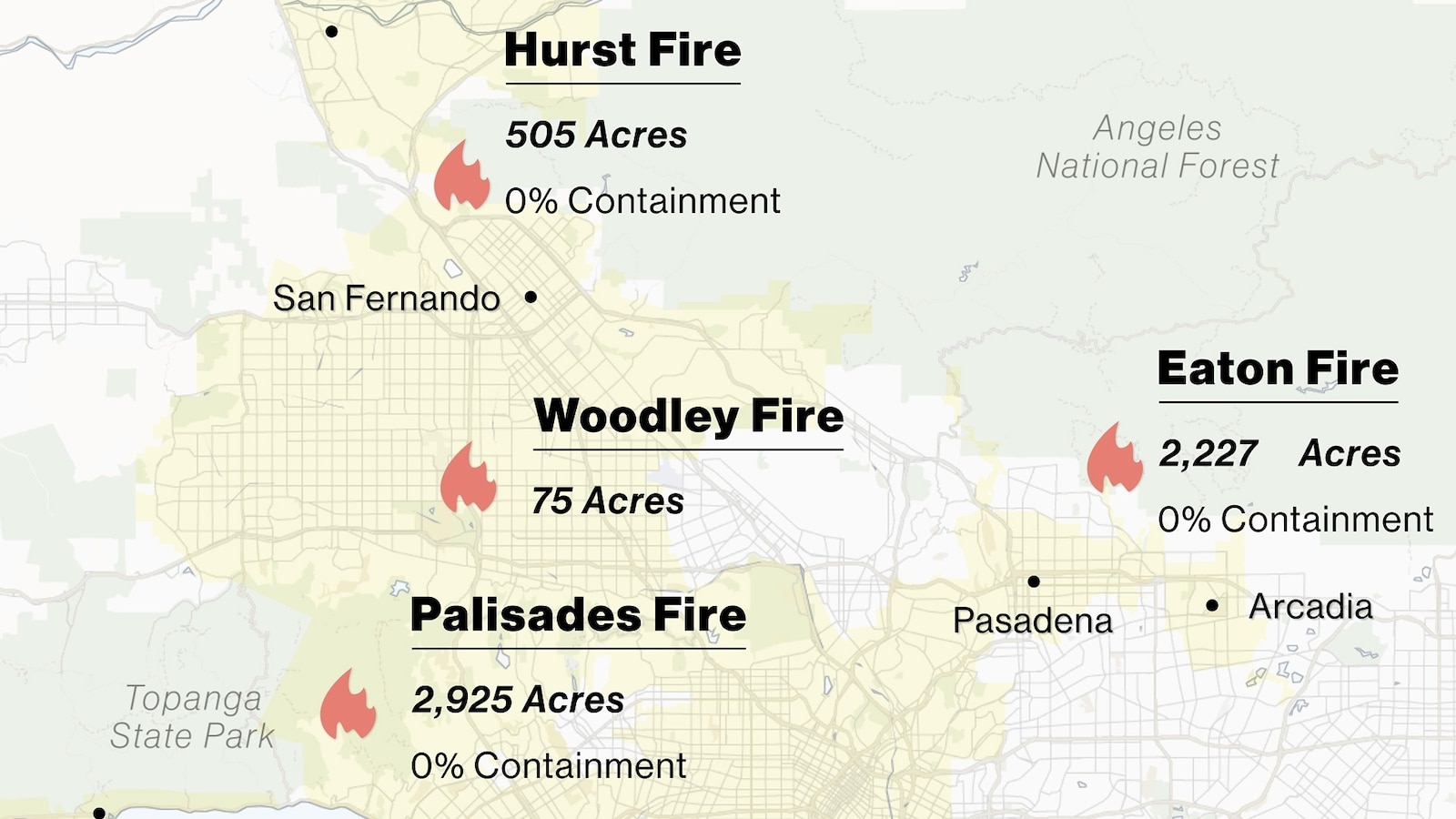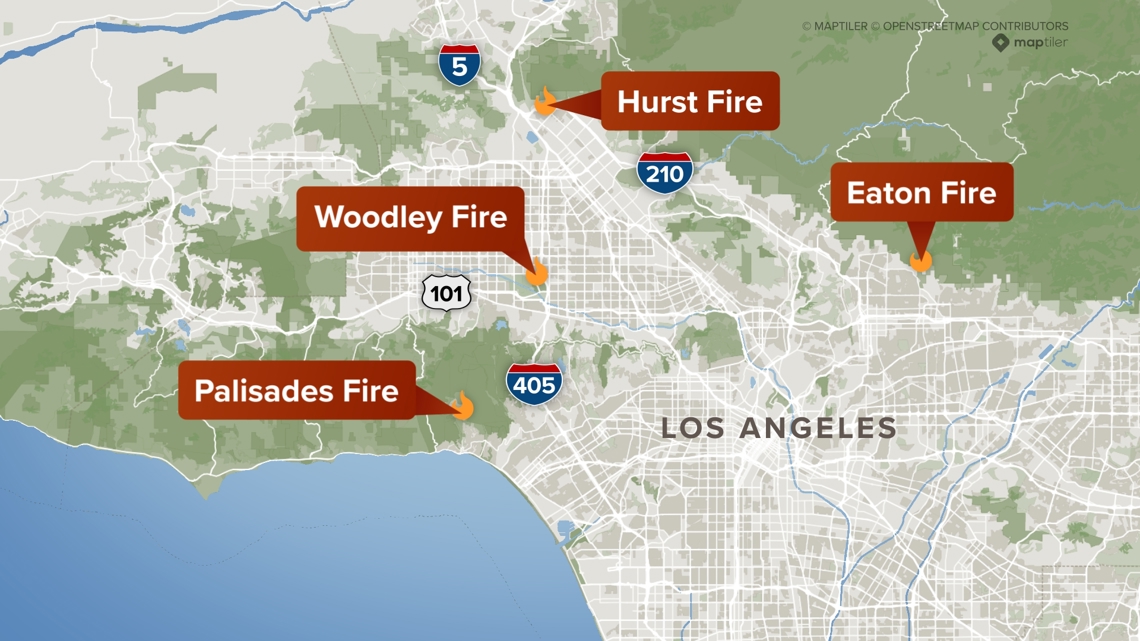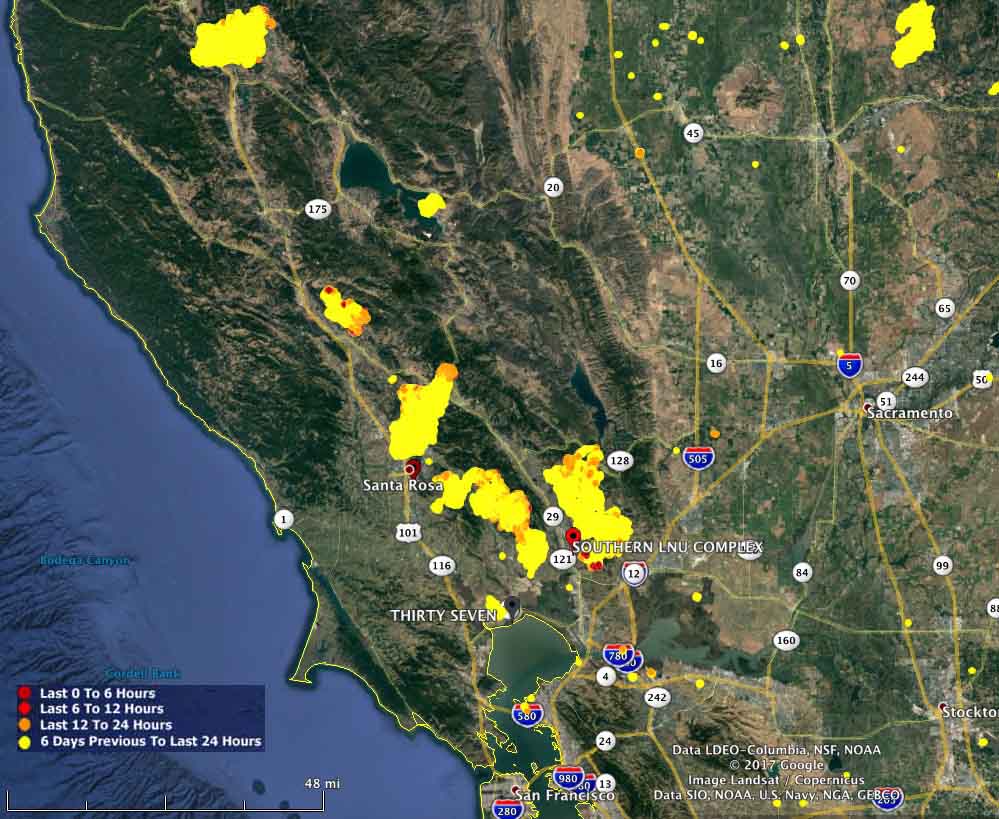
California, with its diverse landscapes and Mediterranean climate, is unfortunately prone to wildfires. The combination of dry vegetation, high temperatures, and strong winds creates a volatile environment where a single spark can ignite devastating blazes. Understanding the current wildfire situation in California is crucial for residents, visitors, and emergency responders alike. This article provides a comprehensive overview of the current wildfire landscape in California, focusing on how to access and interpret wildfire maps, understanding the causes and impacts of these fires, and exploring available resources.
The Importance of Real-Time Wildfire Mapping
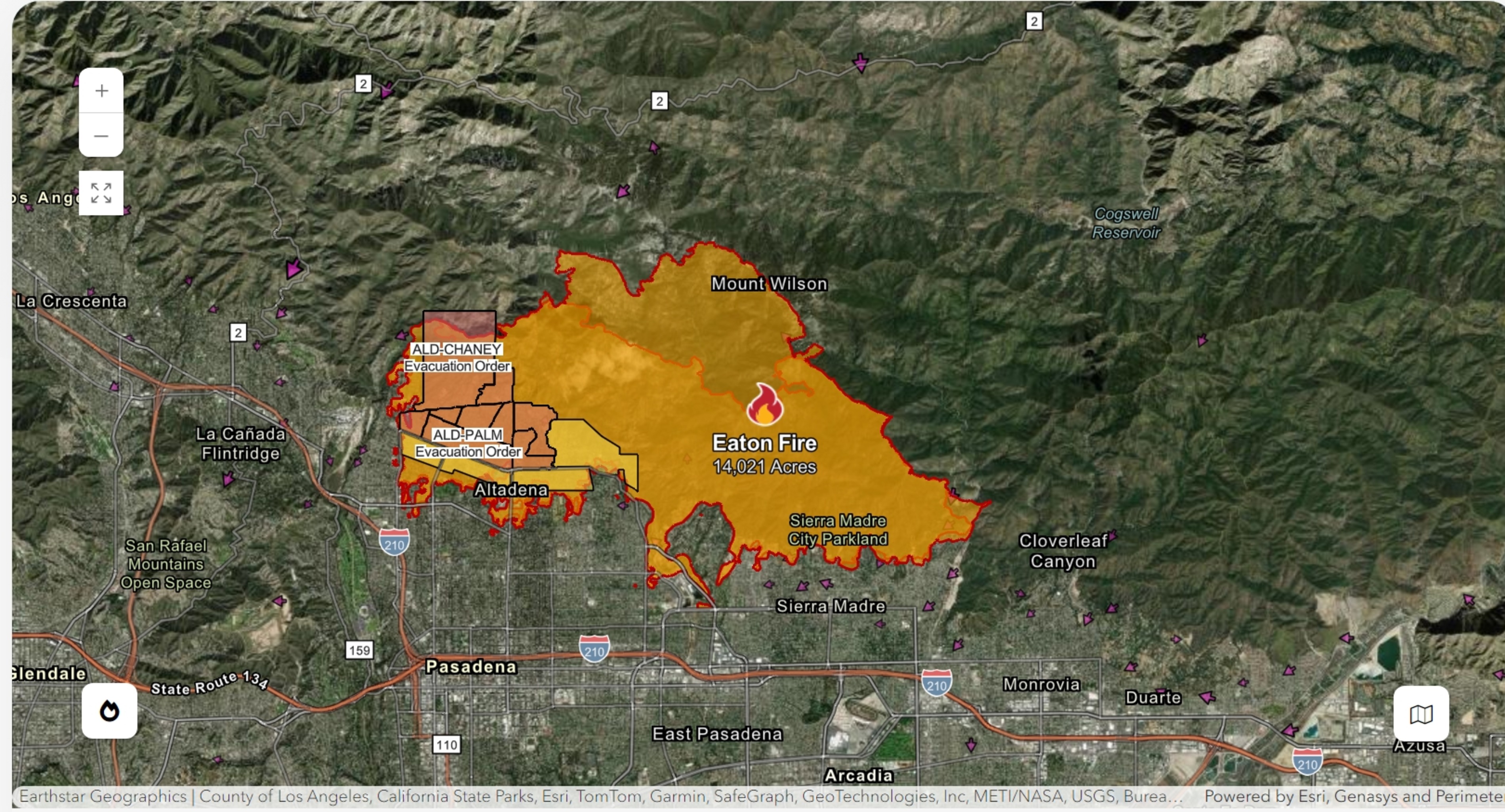
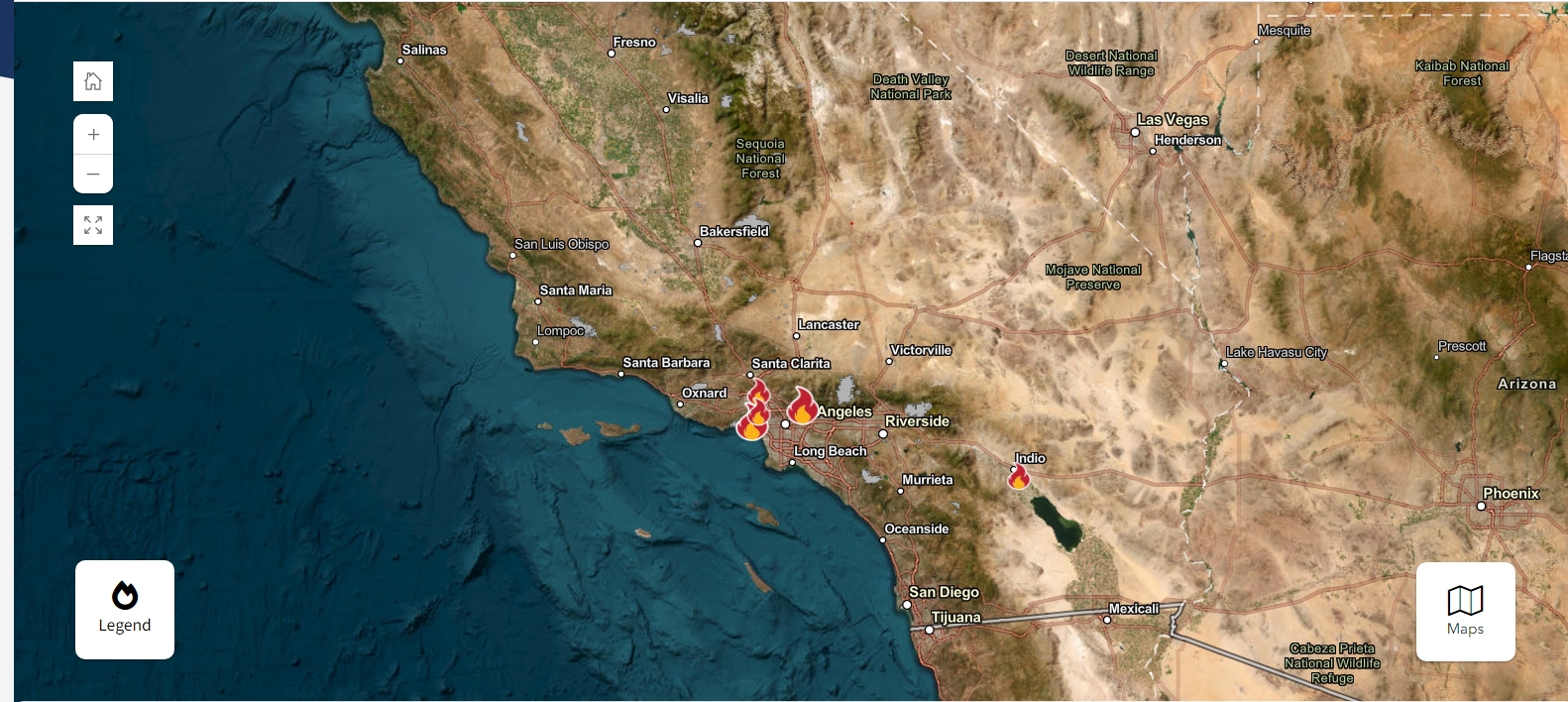
In the face of a rapidly evolving wildfire situation, access to real-time information is paramount. Wildfire maps provide a visual representation of active fires, allowing individuals to:
- Assess Risk: Determine if their homes, businesses, or travel routes are in danger.
- Make Informed Decisions: Evacuate promptly, prepare for potential power outages, and adjust travel plans.
- Stay Updated: Track the progression of fires and the effectiveness of containment efforts.
- Support Emergency Responders: Avoid areas affected by wildfires to ensure their safety and allow them to focus on firefighting operations.
Key Resources for California Wildfire Maps
Several reliable sources offer up-to-date information and interactive maps on California wildfires. Here’s a breakdown of the most prominent ones:
-
Cal Fire (California Department of Forestry and Fire Protection): Cal Fire is the primary state agency responsible for wildfire prevention and suppression in California. Their website (fire.ca.gov) is a central hub for wildfire information, including:
- Incident Information: A list of active fires with details on size, containment, location, and cause (if known).
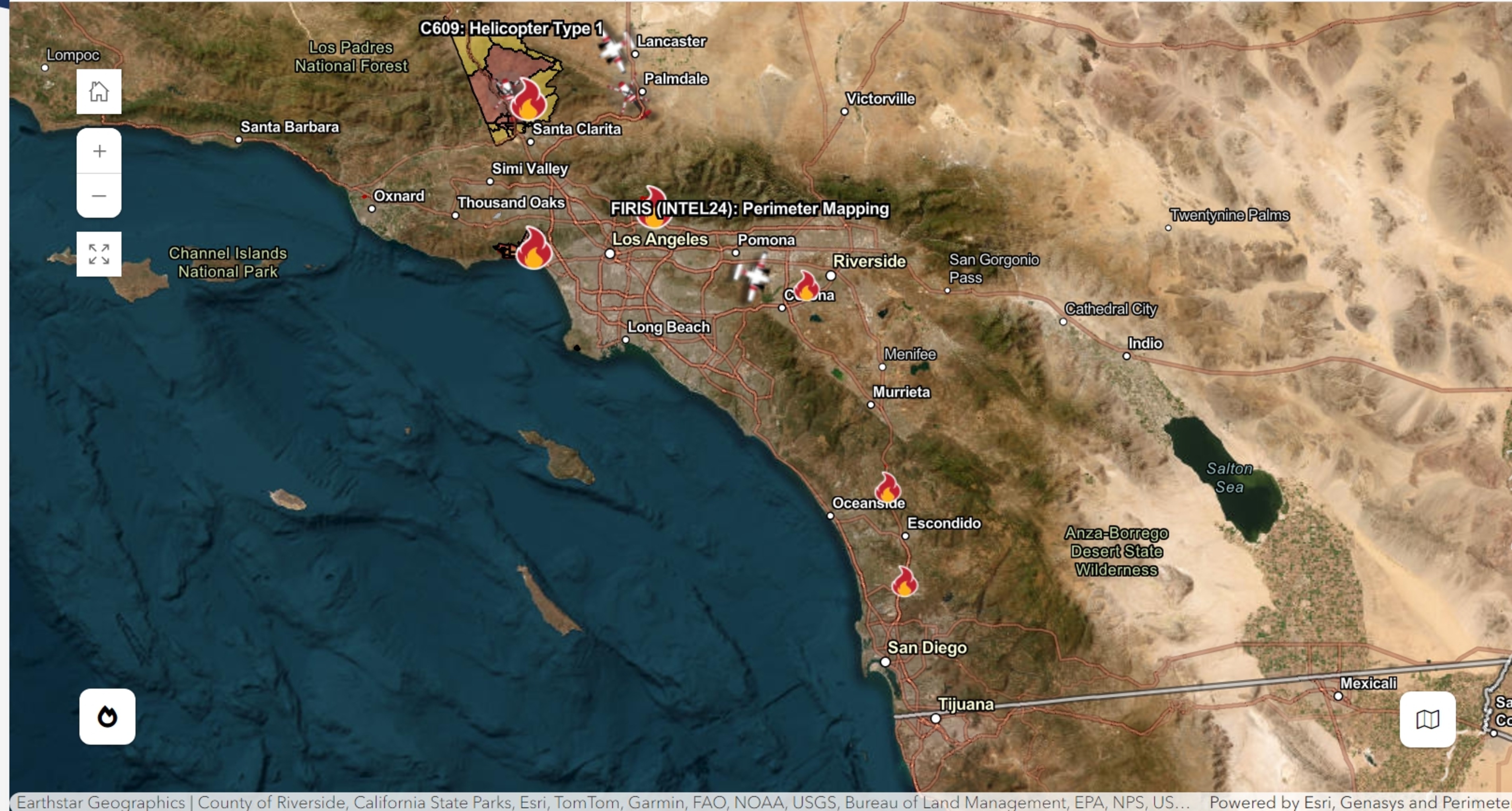
- Interactive Maps: These maps display the locations of active fires, evacuation zones, road closures, and other relevant information. They often use satellite imagery and real-time data to provide the most accurate picture possible.
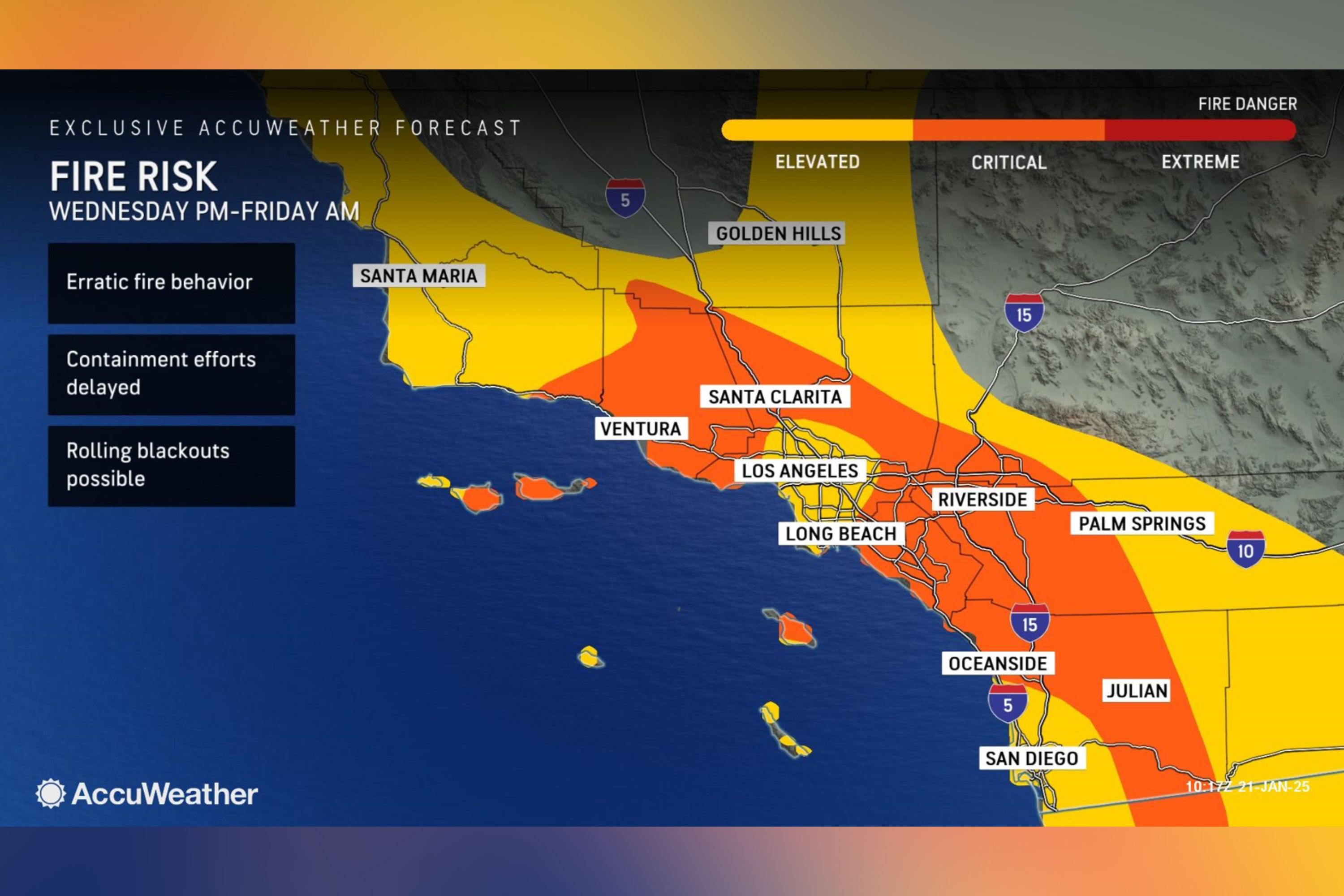
- Fire Weather: Information on current and predicted weather conditions that contribute to fire risk, such as temperature, wind speed, and humidity.
- Alerts and Warnings: Notifications about evacuations, red flag warnings (indicating high fire danger), and other important announcements.
-
InciWeb (Incident Information System): This interagency website (inciweb.nwcg.gov) provides information on wildfires and other incidents across the United States, including California. It’s managed by a coalition of federal, state, and local agencies. InciWeb often provides more detailed information about large, complex wildfires, including:
- Incident Summaries: Detailed reports on the fire’s history, current status, objectives, and strategies for containment.
- Maps: InciWeb maps are typically more detailed than those available on Cal Fire’s website, often showing fire perimeters, containment lines, and the location of resources deployed to fight the fire.
- Photos and Videos: Visual documentation of the fire’s impact and firefighting efforts.
-
National Interagency Fire Center (NIFC): NIFC (nifc.gov) provides a national overview of wildfire activity, including statistics on the number of fires, acres burned, and resources deployed. While it doesn’t focus exclusively on California, it offers valuable context for understanding the overall wildfire situation in the West.
-
Local News Outlets: Local news stations and websites often provide up-to-the-minute coverage of wildfires in their area, including evacuation orders, road closures, and community resources. They can be a valuable source of information, especially for residents living near active fires.
-
Google Maps and Other Mapping Applications: While not dedicated wildfire resources, Google Maps and other mapping applications often display fire perimeters and evacuation zones, drawing data from official sources like Cal Fire and InciWeb. These can be a quick and easy way to visualize the location of wildfires.
Interpreting Wildfire Maps: Key Elements to Understand
Wildfire maps can seem complex at first glance, but understanding a few key elements will allow you to extract valuable information:
- Fire Perimeters: These lines delineate the area that has burned or is actively burning. They are often color-coded to indicate the age of the fire, with more recent burns shown in brighter colors.
- Containment Lines: These lines indicate areas where firefighters have established control lines around the fire. The percentage of containment indicates how much of the fire perimeter is secured.
- Evacuation Zones: These areas are subject to evacuation orders or warnings. Evacuation orders require immediate evacuation, while evacuation warnings advise residents to be prepared to evacuate if necessary.
- Road Closures: Roads that are closed due to wildfire activity are typically marked on the map.
- Fire Hotspots: These indicate areas of intense heat within the fire perimeter.
- Wind Direction: Knowing the wind direction is crucial because it indicates the direction the fire is likely to spread.
- Resource Locations: Some maps may show the location of firefighting resources, such as fire engines, helicopters, and air tankers.
Understanding the Causes and Impacts of California Wildfires
While natural causes like lightning strikes can ignite wildfires, human activity is the leading cause in California. Carelessness with campfires, improperly maintained equipment, arson, and discarded cigarettes are all common culprits. Climate change exacerbates the problem by creating hotter, drier conditions that make vegetation more susceptible to burning.
The impacts of California wildfires are far-reaching and devastating:
- Loss of Life and Property: Wildfires can tragically result in fatalities and the destruction of homes, businesses, and infrastructure.
- Environmental Damage: Wildfires destroy forests, grasslands, and other ecosystems, leading to soil erosion, water contamination, and habitat loss.
- Air Quality Degradation: Smoke from wildfires can travel hundreds of miles, causing respiratory problems and other health issues.
- Economic Impacts: Wildfires can disrupt tourism, agriculture, and other industries, leading to significant economic losses.
- Mental Health Impacts: Experiencing or witnessing a wildfire can be traumatizing, leading to anxiety, depression, and other mental health issues.
Resources Available to Those Affected by Wildfires
Numerous resources are available to assist those affected by California wildfires:
- American Red Cross: Provides shelter, food, and other assistance to evacuees.
- Salvation Army: Offers similar services to the Red Cross.
- Federal Emergency Management Agency (FEMA): Provides disaster assistance to individuals and communities.
- California Office of Emergency Services (Cal OES): Coordinates disaster response efforts in California.
- Local County Emergency Services: Provide local resources and support.
- Mental Health Services: Counseling and support groups are available to help people cope with the emotional trauma of wildfires.
- Insurance Companies: Help homeowners and businesses file insurance claims.
- Charitable Organizations: Numerous charities provide financial assistance and other support to wildfire victims.
Preventing Wildfires: A Collective Responsibility
Preventing wildfires is a collective responsibility that requires the participation of individuals, communities, and government agencies. Here are some key steps that can be taken:
- Be Careful with Fire: Never leave campfires unattended, and ensure they are completely extinguished before leaving.
- Maintain Equipment: Regularly inspect and maintain vehicles, power tools, and other equipment that could spark a fire.
- Clear Brush and Debris: Create defensible space around homes by removing dry vegetation and debris.
- Report Suspicious Activity: Report any suspicious activity that could lead to a wildfire.
- Stay Informed: Stay informed about wildfire risk in your area and be prepared to evacuate if necessary.
Conclusion
California wildfires are a recurring and devastating reality. By understanding the current wildfire situation, accessing reliable information sources like wildfire maps, and taking preventative measures, we can collectively mitigate the risk and impacts of these fires. Staying informed, being prepared, and acting responsibly are crucial steps in protecting our communities and environment from the destructive power of wildfires. The continuous monitoring of resources like Cal Fire and InciWeb, combined with community awareness and preventative actions, is essential for navigating the complexities of California’s wildfire landscape.