Arizona, with its diverse landscapes ranging from scorching deserts to towering pines, offers some of the most rewarding hunting opportunities in the American Southwest. But before you pack your gear and head into the wilderness, understanding the Arizona hunting unit system is paramount to a successful and legal hunt. This article will serve as your comprehensive guide to navigating the Arizona hunting unit map, providing essential information for planning your next adventure.
What are Arizona Hunting Units?
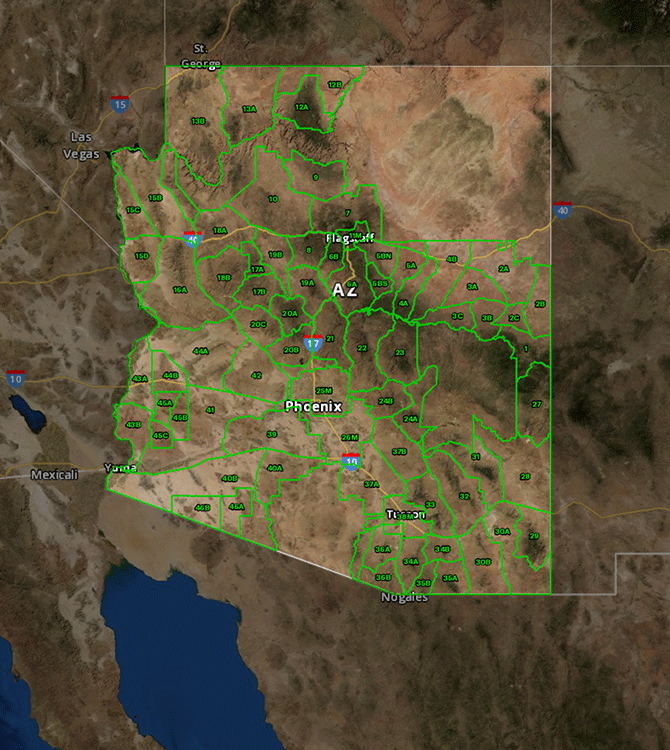
Arizona’s vast public lands are divided into geographically distinct units, each designated with a number. These units serve as the primary framework for managing wildlife populations, regulating hunting activities, and distributing permits. Each unit may have specific regulations regarding species allowed to be hunted, season dates, bag limits, weapon restrictions, and access restrictions.
Think of these units as puzzle pieces that fit together to form the larger picture of Arizona’s hunting landscape. Each piece holds its own unique characteristics and rules. Understanding these individual pieces is key to assembling a successful and ethical hunting experience.
Why are Hunting Units Important?
Hunting units are not arbitrary divisions. They are carefully crafted to:
- Manage Wildlife Populations: By tracking animal populations within specific units, the Arizona Game and Fish Department (AZGFD) can effectively manage herd sizes, ensure healthy breeding populations, and prevent over-harvesting.
- Regulate Hunting Pressure: Units allow the AZGFD to control the number of hunters in a specific area, minimizing disturbance to wildlife and ensuring a sustainable hunting experience for everyone.
- Distribute Limited Opportunity Permits: Many popular hunts, such as those for elk, antelope, and bighorn sheep, are managed through a lottery system. Hunters apply for specific units, and the number of permits issued is carefully controlled to balance hunting pressure with conservation goals.
- Enforce Regulations: Unit boundaries provide a clear framework for enforcing hunting regulations. Game wardens can easily identify if a hunter is in the correct unit and complying with all applicable rules.
- Promote Hunter Safety: By limiting the number of hunters in specific areas, units contribute to a safer hunting environment for all participants.
Understanding the Arizona Hunting Unit Map:
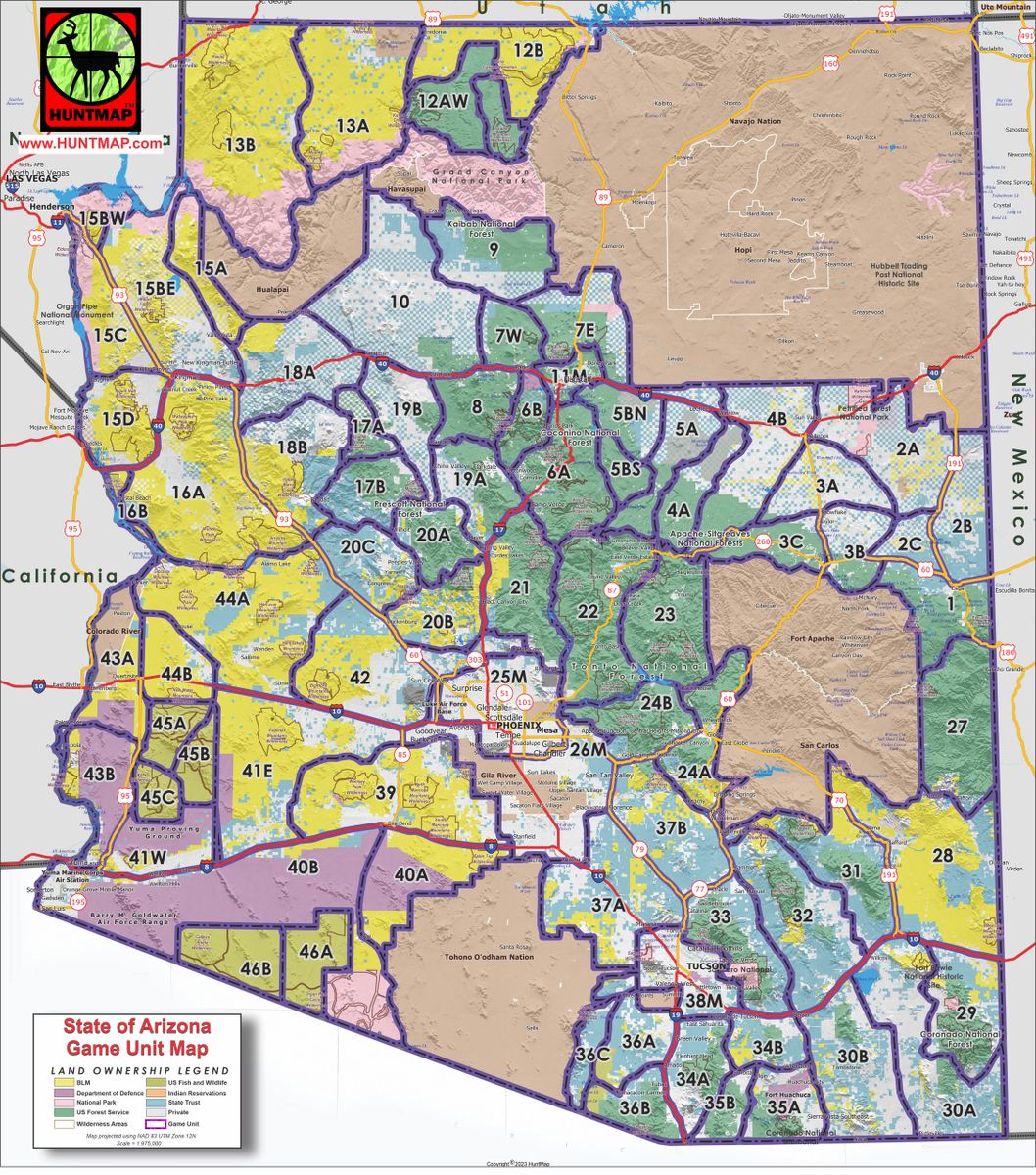
The official Arizona hunting unit map, readily available online from the AZGFD website, is your indispensable tool for planning any hunt. This map is more than just a geographical representation; it’s a roadmap to understanding the complexities of Arizona’s hunting regulations.
Here’s what you need to know when interpreting the map:
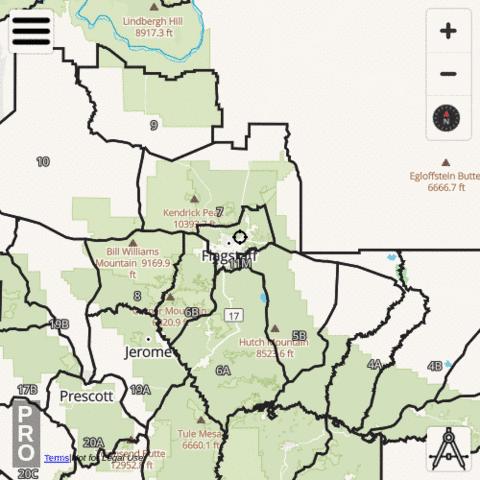
- Unit Boundaries: Clearly defined lines delineate the boundaries of each unit. These boundaries often follow natural features like rivers, mountain ranges, or major roads. Pay close attention to these boundaries, as hunting even a few feet outside the designated unit can result in significant penalties.
- Terrain and Topography: The map typically includes topographical information, showing elevation changes, mountain ranges, canyons, and other important terrain features. This information is crucial for planning your hunt, as it can influence access, game distribution, and hunting strategies.
- Land Ownership: The map often indicates land ownership, distinguishing between public lands (National Forest, BLM land, State Trust Land) and private property. Hunting on private property without permission is illegal. Always verify land ownership before venturing into any area.
- Roads and Access Points: The map shows major roads, forest service roads, and other access points. Understanding the road network is crucial for planning your route and accessing your chosen hunting area. However, remember that road conditions can change rapidly, especially in mountainous areas.
- Water Sources: Locating water sources is critical, especially in the arid regions of Arizona. The map may indicate the location of springs, tanks, and other water sources, which can be vital for both you and the game you’re pursuing.
- Game Management Areas (GMAs): Some areas within hunting units are designated as Game Management Areas. These areas may have specific regulations or restrictions, so be sure to check the AZGFD regulations for any GMAs you plan to hunt in.
Accessing and Using the Arizona Hunting Unit Map:
The AZGFD website offers several options for accessing and using the hunting unit map:
- Interactive Online Map: The online map is the most user-friendly option. It allows you to zoom in and out, overlay different layers of information (such as land ownership or topographical features), and search for specific locations.
- Downloadable PDF Map: A PDF version of the map is available for download and printing. This is useful for offline navigation, especially in areas with limited cell service.
- Paper Maps: Physical paper maps are available for purchase from the AZGFD and various sporting goods stores. These maps are durable and reliable, even in harsh conditions.
Tips for Planning Your Hunt Using the Unit Map:
- Identify Your Target Species: Decide which species you want to hunt and research which units offer good hunting opportunities for that species. The AZGFD website provides detailed information on game populations and harvest data for each unit.
- Research Unit Regulations: Carefully review the AZGFD hunting regulations for the specific unit you plan to hunt in. Pay attention to season dates, bag limits, weapon restrictions, and any other specific rules that apply to that unit.
- Scout the Area: Before your hunt, try to scout the area in person or using online resources like Google Earth. Identify potential hunting locations, water sources, and access points.
- Obtain Necessary Permits and Licenses: Make sure you have all the necessary hunting licenses and permits before your hunt. Some hunts require a limited opportunity permit, which must be obtained through a lottery drawing.
- Plan Your Route and Access: Plan your route to your hunting area and identify alternative routes in case of road closures or other unforeseen circumstances. Be aware of the terrain and potential hazards.
- Inform Someone of Your Plans: Always inform someone of your hunting plans, including your destination, expected return time, and contact information. This is crucial for safety in case of an emergency.
- Pack Appropriately: Pack all the necessary gear for your hunt, including appropriate clothing, food, water, navigation equipment, and safety equipment.
- Respect the Environment: Practice Leave No Trace principles and minimize your impact on the environment. Pack out all trash, stay on established trails, and avoid disturbing wildlife.
- Be Aware of Weather Conditions: Arizona weather can be unpredictable, especially in the mountains. Be prepared for changing conditions and pack accordingly.
- Hunt Ethically and Legally: Always hunt ethically and legally, following all applicable regulations and respecting the rights of other hunters and landowners.
Beyond the Map: Additional Resources for Hunters:
While the hunting unit map is essential, it’s just one piece of the puzzle. Here are some additional resources that can help you plan a successful hunt in Arizona:
- Arizona Game and Fish Department (AZGFD) Website: The AZGFD website is the definitive source for all information related to hunting in Arizona. It contains hunting regulations, license information, permit applications, harvest data, and other valuable resources.
- Arizona Hunting Regulations Book: The AZGFD publishes an annual hunting regulations book that contains detailed information on all hunting regulations in the state.
- Online Hunting Forums: Online hunting forums can be a valuable resource for connecting with other hunters, sharing information, and getting advice on specific hunting units.
- Local Sporting Goods Stores: Local sporting goods stores often have knowledgeable staff who can provide advice on hunting locations, gear, and regulations.
- Arizona Wildlife Federation: The Arizona Wildlife Federation is a non-profit organization dedicated to conservation and hunting advocacy. They offer educational programs and resources for hunters.
Conclusion:
Navigating the Arizona hunting unit system might seem daunting at first, but with a little research and preparation, you can unlock the incredible hunting opportunities that Arizona has to offer. By understanding the importance of hunting units, learning to interpret the hunting unit map, and utilizing the available resources, you can plan a safe, ethical, and successful hunting experience. Remember to always prioritize safety, respect the environment, and follow all applicable regulations. Happy hunting!