Radon. It’s an invisible, odorless, and tasteless gas that exists naturally in our environment. Yet, its presence can pose a significant health risk, particularly through long-term exposure in our homes. Understanding the radon map of the USA is crucial for homeowners, renters, and policymakers to assess potential risk levels and take necessary preventative measures. This article delves into the complexities of radon, explores the nationwide distribution of this radioactive gas, and highlights the importance of testing and mitigation.
What is Radon and Why is it a Problem?
Radon is a radioactive gas produced by the natural decay of uranium in soil, rock, and water. It’s a product of the earth itself, and while it exists in trace amounts in the outdoor air, it can accumulate to dangerous levels inside buildings. The danger lies in its radioactive properties. When inhaled, radon decays in the lungs, releasing alpha particles that can damage lung tissue. This damage, over time, can significantly increase the risk of developing lung cancer.
The Environmental Protection Agency (EPA) estimates that radon is the second leading cause of lung cancer in the United States, responsible for approximately 21,000 deaths each year. Smokers are at a significantly higher risk, as the combination of smoking and radon exposure dramatically increases the likelihood of developing the disease.
Understanding the Radon Map: A Visual Guide to Risk
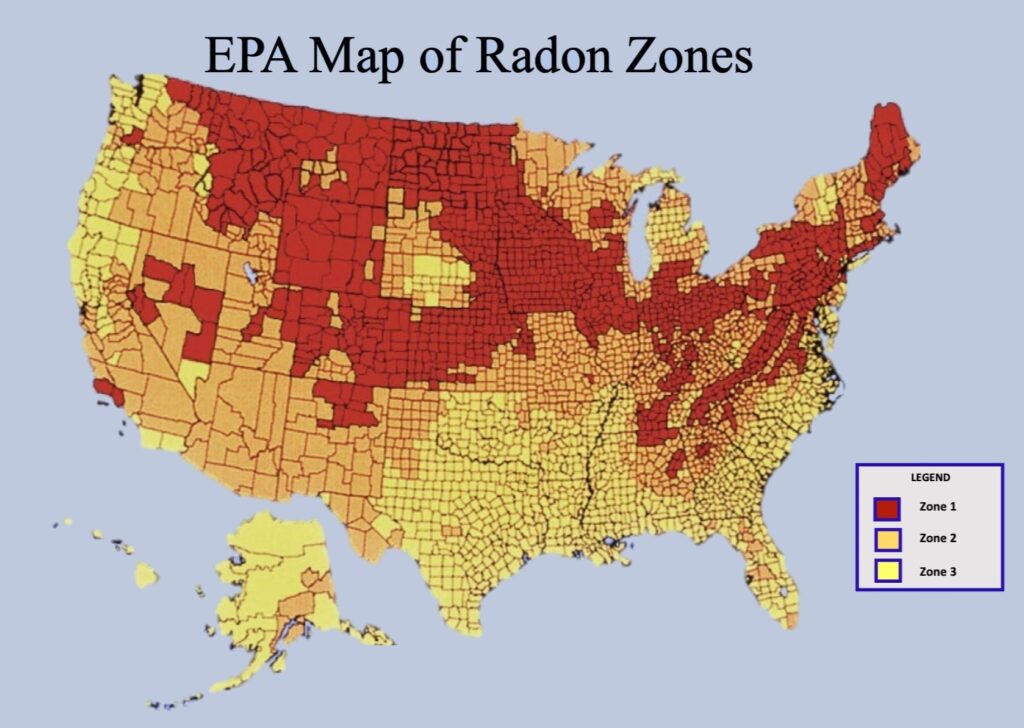
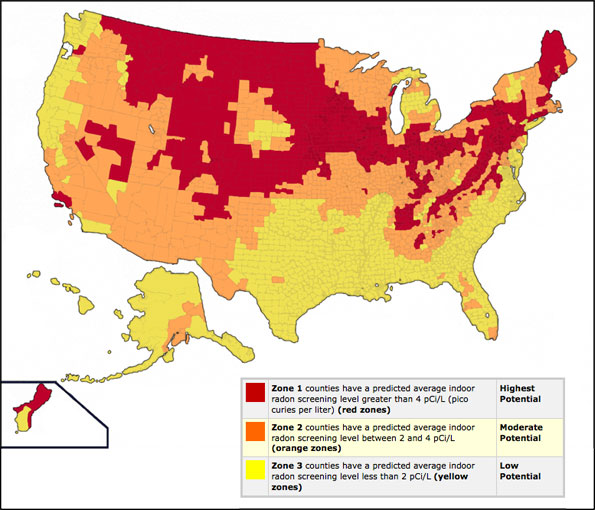
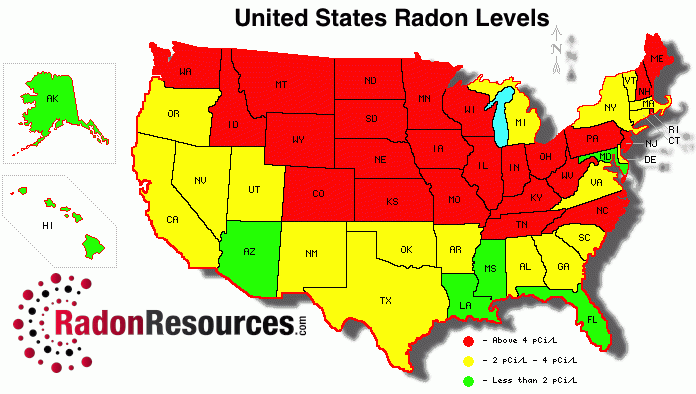
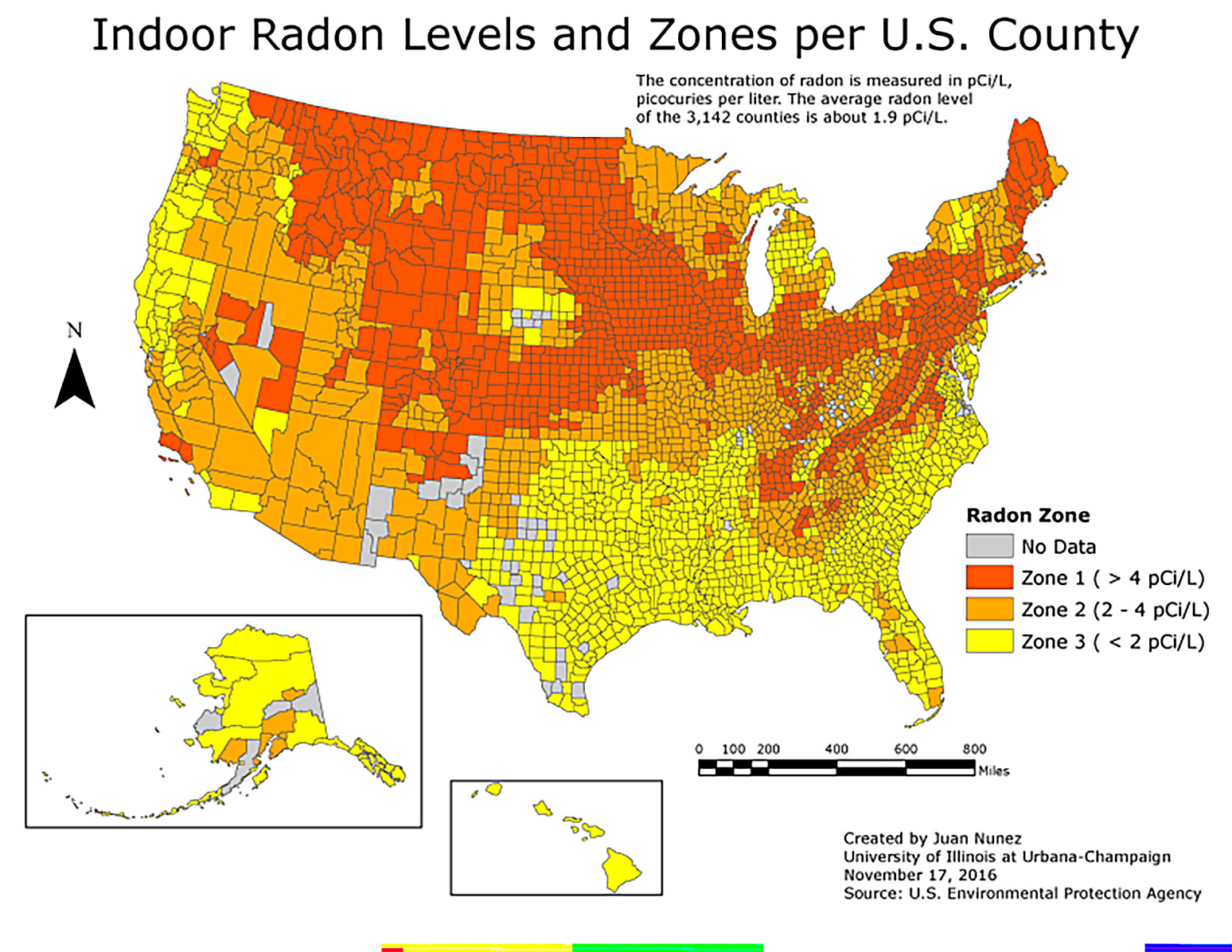
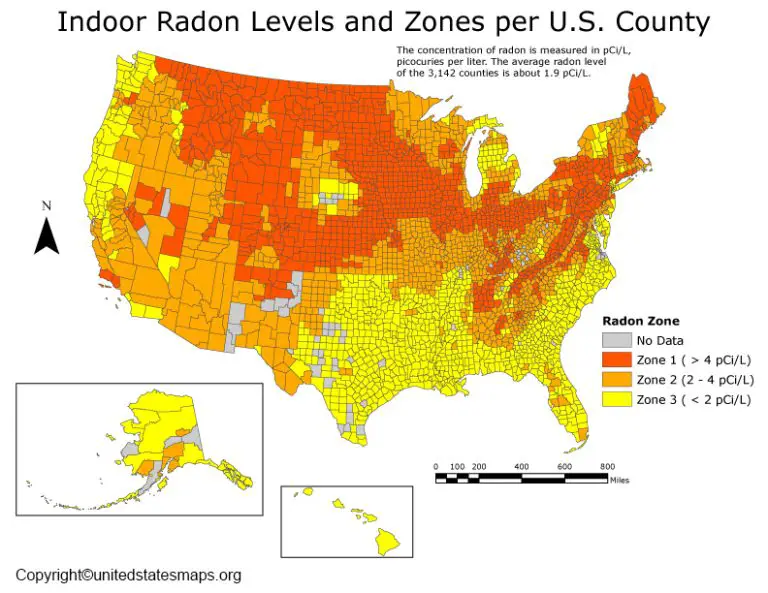
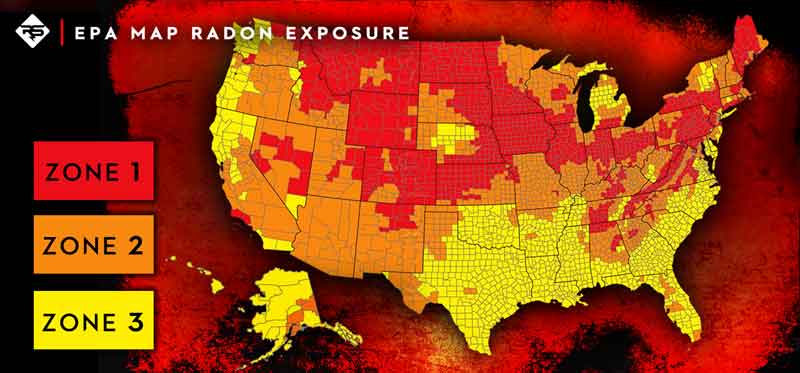
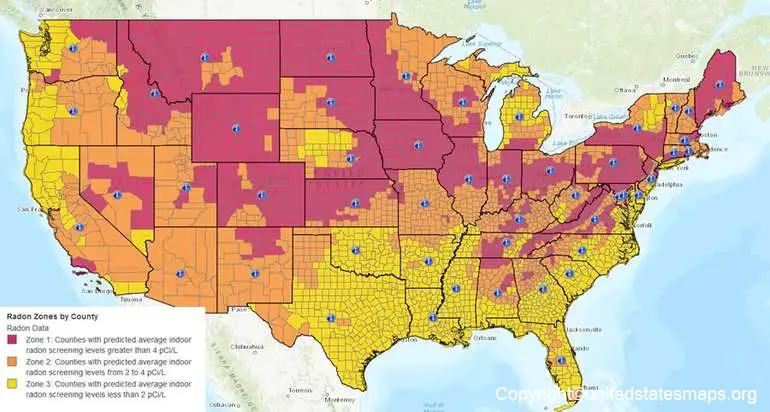
The EPA has created a radon map of the United States, dividing the country into three zones based on predicted average indoor radon levels:
-
Zone 1 (High Risk): Counties in Zone 1 have a predicted average indoor radon screening level greater than 4 pCi/L (picocuries per liter), which is the EPA’s action level. This means that a significant percentage of homes in these areas are likely to have elevated radon levels.
-
Zone 2 (Moderate Risk): Counties in Zone 2 have a predicted average indoor radon screening level between 2 and 4 pCi/L. While the risk is lower than in Zone 1, a substantial number of homes may still have elevated radon levels and testing is strongly recommended.
-
Zone 3 (Low Risk): Counties in Zone 3 have a predicted average indoor radon screening level less than 2 pCi/L. While the risk is considered lower, it’s important to remember that radon levels can vary significantly even within a single county, and elevated levels can still be found in individual homes.
Factors Influencing Radon Levels:
The distribution of radon across the country isn’t random. Several factors influence the concentration of radon in a particular area:
-
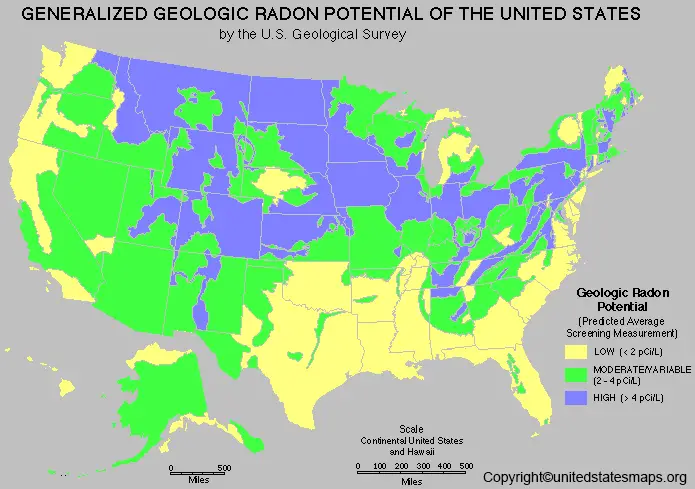
Geology: The underlying geology of an area is the most significant determinant of radon levels. Areas with uranium-rich soil and rock formations, such as granite, shale, and phosphate deposits, are more likely to have higher radon levels.
-
Soil Permeability: The permeability of the soil affects how easily radon gas can move from the ground into buildings. Porous soils, such as sand and gravel, allow radon to migrate more freely than dense, clay-rich soils.
-
Climate: Climate can influence radon levels, particularly in colder regions. During the winter months, homes are often sealed more tightly to conserve energy, which can trap radon gas inside. Additionally, frozen ground can prevent radon from escaping into the atmosphere, forcing it to enter buildings.
-
Building Construction: The design and construction of a building can significantly impact radon levels. Cracks in the foundation, gaps around pipes and wires, and poorly sealed sump pumps can all provide pathways for radon to enter the building. Slab-on-grade construction is often more susceptible to radon intrusion than homes with basements or crawl spaces.
-
Ventilation: Adequate ventilation helps to dilute radon concentrations and reduce the risk of exposure. Homes with poor ventilation are more likely to have elevated radon levels.
Regional Variations in Radon Risk:
While the EPA’s radon map provides a general overview of risk levels, it’s essential to understand the regional variations and specific areas of concern.
-
The Midwest: The Midwest, particularly states like Iowa, South Dakota, and Minnesota, consistently shows some of the highest average radon levels in the country. This is largely attributed to the region’s glacial deposits, which contain uranium-rich granite and shale.
-
The Appalachian Region: The Appalachian Mountains, stretching from Maine to Alabama, also exhibit elevated radon levels. The underlying geology, characterized by uranium-bearing rocks and fractured bedrock, contributes to the higher risk.
-
The Rocky Mountain Region: Parts of the Rocky Mountain region, particularly Colorado and Montana, have a significant number of homes with elevated radon levels. The mountainous terrain and uranium deposits in the region contribute to the higher risk.
-
New England: New England states like Maine, New Hampshire, and Vermont also face a higher risk of radon exposure due to the region’s granite bedrock and glacial history.
-
The Pacific Northwest: While generally considered lower risk than other regions, certain areas of the Pacific Northwest, particularly those with volcanic rock formations, can have elevated radon levels.
Why the Radon Map is a General Guide, Not a Guarantee:
It’s crucial to remember that the EPA’s radon map is a general guide based on predicted average radon levels. The map provides a helpful overview of risk areas, but it doesn’t guarantee that every home in a Zone 1 county will have high radon levels, or that every home in a Zone 3 county will be safe. Radon levels can vary significantly from house to house, even within the same neighborhood.
Factors such as soil composition, building construction, and ventilation can all influence radon levels in individual homes, regardless of the county’s designation. The only way to know for sure if your home has elevated radon levels is to test it.
Testing Your Home for Radon:
Radon testing is a simple and inexpensive process that can provide valuable information about the safety of your home. There are two main types of radon tests:
-
Short-Term Tests: These tests are typically conducted over a period of 2 to 7 days and provide a quick indication of radon levels. They are often used for real estate transactions or to get a general sense of the risk.
-
Long-Term Tests: These tests are conducted over a period of 90 days or more and provide a more accurate assessment of average radon levels over time. They are recommended for homeowners who want a more comprehensive understanding of the risk.
Radon test kits are readily available at hardware stores, home improvement centers, and online retailers. You can also hire a certified radon professional to conduct the testing for you.
Mitigating Radon Levels:
If your home tests above the EPA’s action level of 4 pCi/L, it’s important to take steps to mitigate the problem. Radon mitigation systems are designed to reduce radon levels by venting the gas from beneath the foundation to the outside.
The most common type of radon mitigation system is called sub-slab depressurization. This system involves installing a PVC pipe through the foundation and connecting it to a fan that draws radon gas from beneath the slab and vents it above the roofline.
Radon mitigation systems are typically installed by certified radon mitigation professionals. The cost of installation can vary depending on the size and complexity of the home, but it’s a worthwhile investment in your family’s health.
Conclusion:
The radon map of the USA provides valuable insights into the nationwide distribution of this invisible threat. While the map serves as a helpful guide, it’s crucial to remember that radon levels can vary significantly from house to house. Testing your home for radon is the only way to know for sure if you are at risk. If elevated levels are detected, radon mitigation systems can effectively reduce radon concentrations and protect your family’s health. By understanding the risks associated with radon and taking proactive measures, we can create healthier and safer living environments for ourselves and future generations. Don’t rely solely on the map; test your home and breathe easier knowing you’ve taken control of this invisible threat.